
Colorado PUC opens transmission-planning rulemaking that could reshape utility reviews
Colorado regulators voted June 10 to open a formal transmission rulemaking that could change how utilities plan new lines, test alternatives and justify some costs to customers, though the accessible record did not confirm the final docket number or filing deadlines.
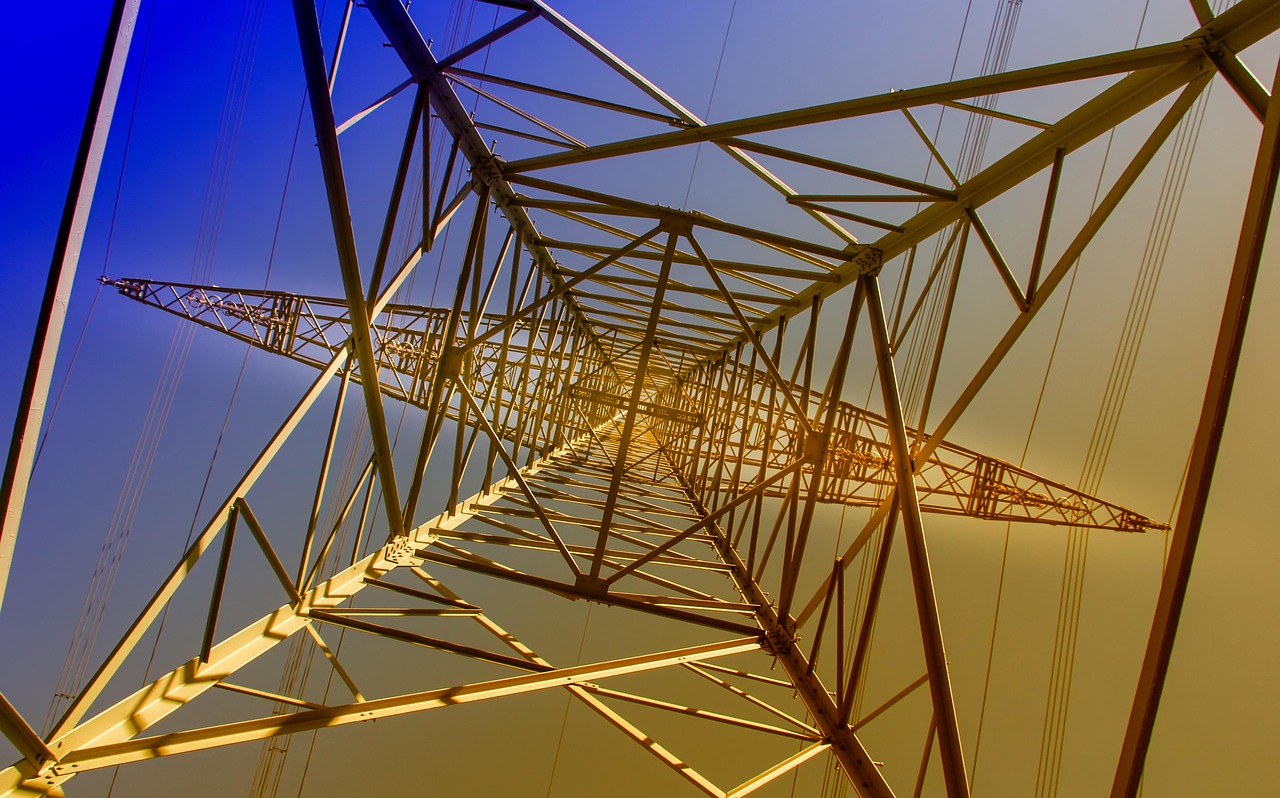
The Colorado Public Utilities Commission voted June 10 to open a formal rulemaking on transmission planning and related electric rules, a move that could reshape how major utilities justify new transmission lines, compare alternatives and recover some project costs from customers.
At the commission's June 10 weekly meeting, advisory staff said the opening order would refer the case to an administrative law judge, set deadlines for initial and reply comments, and aim for a first hearing in October. But the official opening order reviewed for this assignment was not publicly accessible in the reporting record, so the final docket number and exact deadlines could not be independently verified.
The public meeting record does establish that regulators are moving beyond an earlier pre-rulemaking and into a formal case that could affect Colorado utilities' planning obligations for years. Staff told commissioners the rules have not had a major update since 2010, even as Colorado's energy policies, transmission technologies and utility system needs have changed.
According to staff's presentation to the commission, the draft rules would push utilities toward an integrated 20-year transmission plan instead of the current 10-year plan with longer-range descriptive scenarios. Staff also said the proposal would require transmission plans to consider wildfire mitigation, joint development opportunities, generation and demand-side alternatives, and lower-cost financing options.
Staff said at the meeting the proposal would also tighten what utilities must show when seeking approval for new lines. Future certificate applications, staff said, would need to show that a proposed project aligns with the latest transmission plan or explain why it does not, and that the project is superior to viable alternatives based on modeling and, where appropriate, cost-benefit analysis.
That matters because transmission lines can create long-lived costs for ratepayers. Staff told commissioners the draft rules would require Public Service Co. of Colorado and Black Hills to compare traditional utility financing with potentially cheaper options such as bonds available through the Colorado Electric Transmission Authority, Western Area Power Administration financing or other low-cost sources.
The rulemaking could also affect how quickly utilities recover some transmission spending from customers. Staff said the proposal would draw a clearer line between projects that expand system capacity and repair-or-replacement work, so utilities know which investments may qualify for accelerated recovery through the transmission cost adjustment.
Another major piece is scrutiny of advanced transmission technologies. Staff said utilities would have to periodically evaluate the economic potential of advanced conductors and other grid-enhancing technologies on their existing systems, then file prioritized implementation plans where those upgrades could benefit customers. Staff said that portion of the rulemaking is tied in part to House Bill 26-1081, which they described as the recently signed Colorado Grid Optimization Act.
Staff said the timing is driven by several developments, including the launch of the Colorado Electric Transmission Authority, load growth tied to transportation and building electrification, potential demand from data centers, and Tri-State's full membership in the Southwest Power Pool. Those changes could affect how Colorado decides whether to build new long-distance lines, upgrade existing infrastructure or pursue alternatives first.
The utilities most directly in scope are Public Service, Black Hills and Tri-State, which staff specifically named during the meeting in discussing proposed planning, certificate and annual reporting requirements.
The earlier transmission pre-rulemaking, docketed as 23M-0472E, drew comments from 12 participants and 11 reply filers before four workshops helped refine the draft rules, according to staff. In that earlier proceeding, the Colorado Electric Transmission Authority said in its comments that it expected to continue participating as the case progressed. The WATT Coalition argued in reply comments that large-scale transmission and grid-enhancing technologies should be central to Colorado's planning and certificate process.
Other consumer, environmental and market participants active in the pre-rulemaking or related electric dockets could also reappear, but the accessible record reviewed for this story did not establish which groups have already filed in the newly opened case.
For customers, the fight ahead is less about one specific line than about the standards that will govern many future ones. The rulemaking will help determine how much evidence utilities must show before building major transmission, how seriously alternatives must be tested, and whether cheaper financing or advanced technologies can reduce the cost of future grid expansion.