
Colorado youth advisers propose statewide outdoor-watering standards, but details remain unresolved
The July recommendation would set a residential watering baseline and expand turf-replacement incentives, but it has no draft limits, enforcement plan, funding source or legislative sponsor.
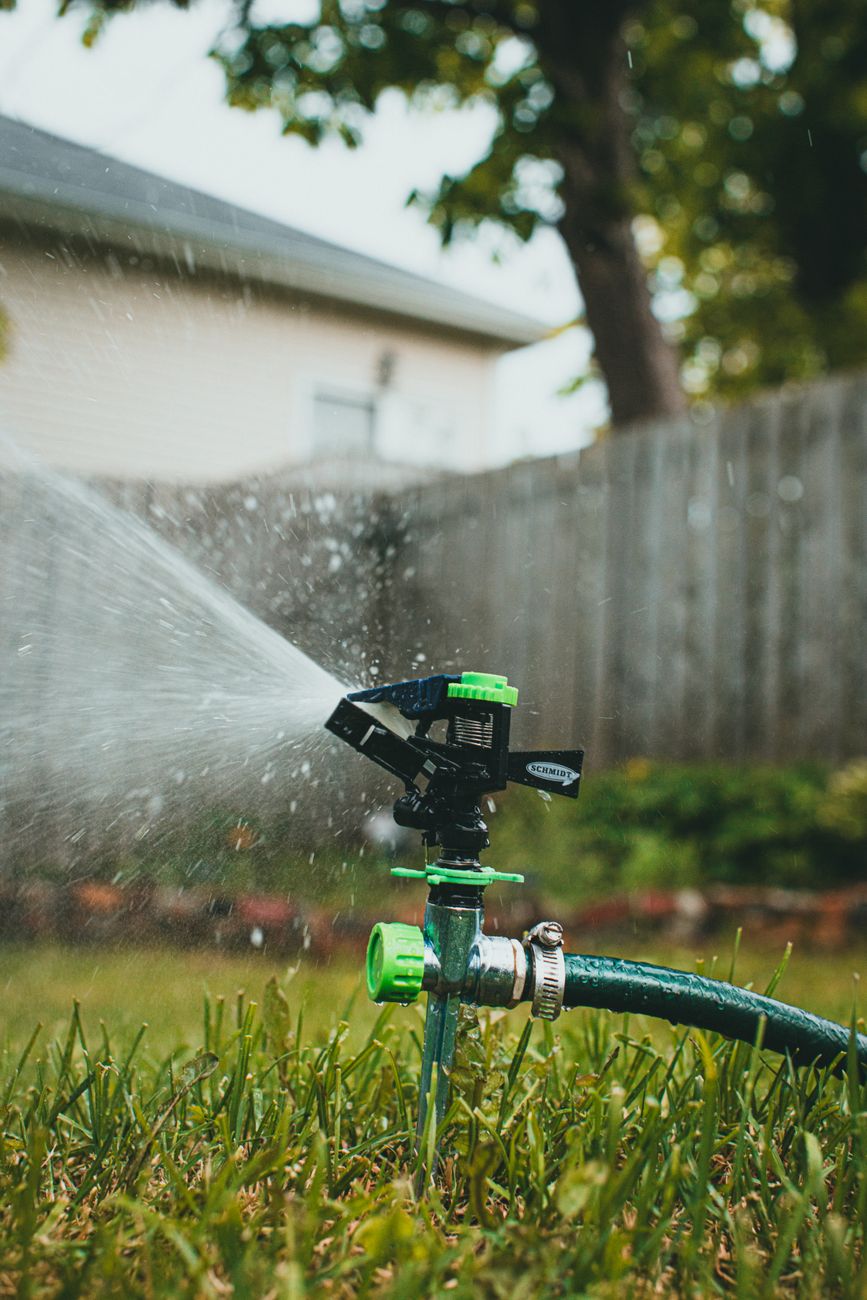
Colorado youth advisers presented a recommendation Friday for statewide residential outdoor-watering standards, seasonal restrictions and larger turf-replacement incentives. The proposal is not enacted policy: It includes no draft limits, enforcement plan, funding source or legislative sponsor, as shown in the July 31 Colorado Youth Advisory Council committee recording.
Sophia, an 18-year-old COYAC representative for Senate District 13, said the package would establish a statewide baseline for residential outdoor watering, require municipalities to adopt seasonal restrictions and expand incentives for replacing high-water turf with low-water landscaping.
Sophia said residential outdoor irrigation accounts for roughly 40% to 50% of municipal water use, much of it for non-native grass lawns. She presented that figure, along with an efficiency benchmark of about 12 gallons per square foot per year, as rationale for the recommendation—not as independently confirmed data or proposed legal limits.
The presentation did not define a measurable statewide standard, identify the residential properties or water providers covered, or specify when restrictions would apply. Sophia appeared to reference a Denver Water-style limit of two watering days per week during summer, but the transcript becomes unclear immediately afterward.
The recommendation would focus on residential use and exclude agriculture, Sophia said in response to questions about rural impacts. It did not include statutory language explaining that exclusion or how agricultural water rights and irrigation would be protected.
Enforcement was also unresolved. Asked whether violations would bring fines, Sophia said she was not completely sure and that a statewide law would “most likely” include a fine. Senator Rich suggested penalties remain a local-government decision, citing Arvada restrictions and fines. The chair separately suggested fines could help fund turf-replacement incentives. Neither idea was adopted by the committee.
Sophia identified no appropriation, fee or other funding source for expanded incentives. Colorado already has a voluntary Turf Replacement Program administered by the Colorado Water Conservation Board. State law assigns CWCB responsibility for the program and allows grants or matching funds for eligible local governments, water districts, tribes and nonprofits. The CWCB says homeowners generally apply through local governments or water providers; its latest application round closed in February 2025 pending future funding.
A Legislative Council Staff update said the existing program had funded 67 projects through 55 entities and that HB 24-1435 provided $2 million to continue it through June 30, 2028. That framework could inform the proposal’s incentive component, but the record shows no CWCB commitment to expand the program or administer statewide watering standards.