
Denver council committee advances $55 million Denver Health jail contract without RFP
The 7-0 vote sends the proposed agreement to the full council, while records reviewed leave post-2028 procurement and transition safeguards unresolved.
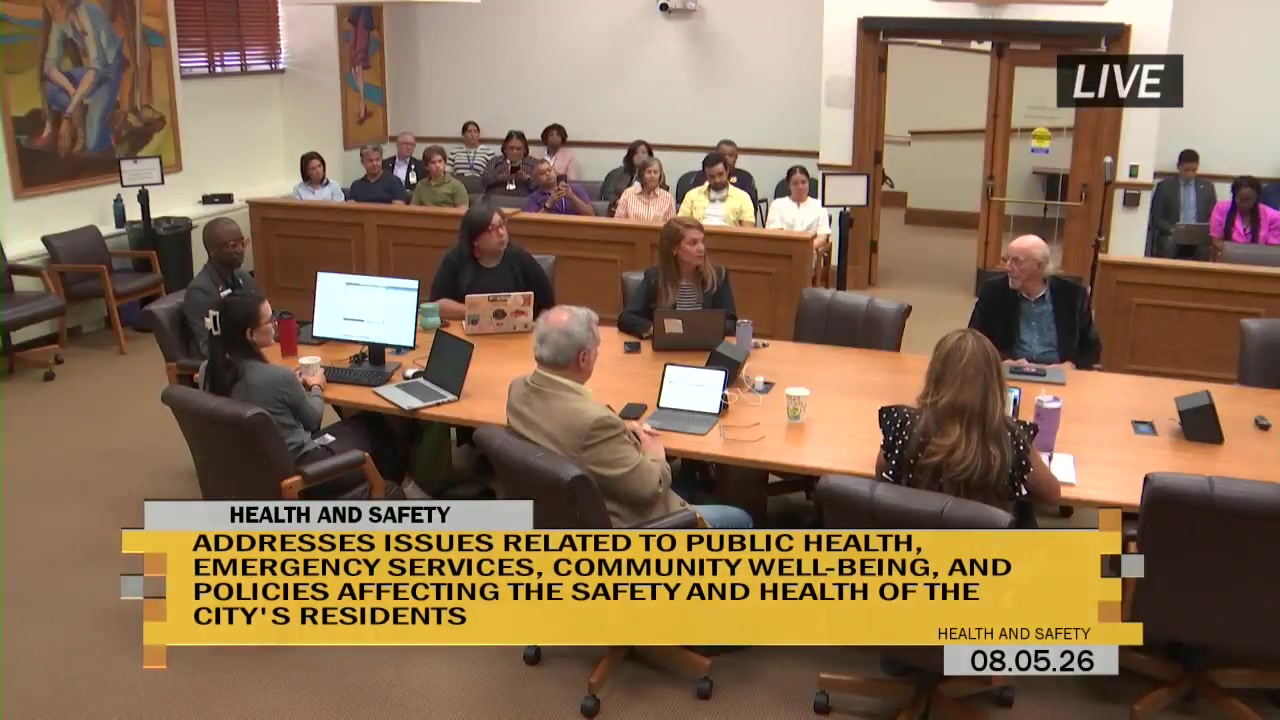
Denver City Council’s Health and Safety Committee voted 7-0 on Aug. 5 to advance a proposed $55.03 million contract with Denver Health, despite questions about the city’s decision not to seek competing bids and what safeguards would apply after the agreement expires.
The vote approved Council Bill 26-1036 for filing; it was not final approval by the full council. The bill remains subject to the council’s 30-day review period, with Aug. 17 identified as the last regularly scheduled meeting in that period, the committee minutes show.
The proposed agreement would pay Denver Health and Hospital Authority to provide medical, behavioral-health and related services at the Denver County Jail and Downtown Detention Center through Dec. 31, 2028. Services include withdrawal management, opioid-use treatment, suicide prevention, mental-health crisis intervention and transition-of-care support, officials told the committee.
Why there was no RFP
City officials said they relied on Executive Order 8, section 4.4.2.6, to negotiate directly with Denver Health. They cited continuity of care: Jail-health services have been part of a Denver Health operating agreement since about 1997 or 1998, and the city is separating the jail portion into a standalone contract while retaining the provider and services.
Officials said the Sheriff’s Department manages the jail relationship, while the city’s public-health agency handles other provisions of the broader operating agreement. Denver Health representatives said an RFP could take substantial time, disrupt services and add costs as the city and provider resolve wages, professional-liability insurance and indirect costs.
Council members questioned the late notice, a guaranteed 3% annual personnel increase and the contract’s 10% administrative fee. The presentation said the agreement includes personnel costs, the fee, the annual escalator and professional-liability insurance.
Cost and oversight
Dividing the proposed two-year total evenly produces an annualized figure of about $27.5 million. Denver Health’s 2021 report to the city lists $15.33 million in actual 2021 costs for the B-3 “Legally Detained Care at Jail and Detention Center” service line, against a $15.51 million approved budget.
The figures do not establish a cost increase. The older number is a one-year actual for a named operating-agreement service line; the proposed figure covers two years of “comprehensive” services and separately includes administrative and insurance costs. The records reviewed do not show whether the scopes, accounting methods or service volumes are identical.