
Denver’s recycling expansion starts Sept. 1, but hauler capacity and funding remain uncertain
Denver’s Sept. 1 recycling and composting expansion sets requirements and penalties for newly covered properties, while the city has not confirmed hauler capacity or dedicated implementation funding.
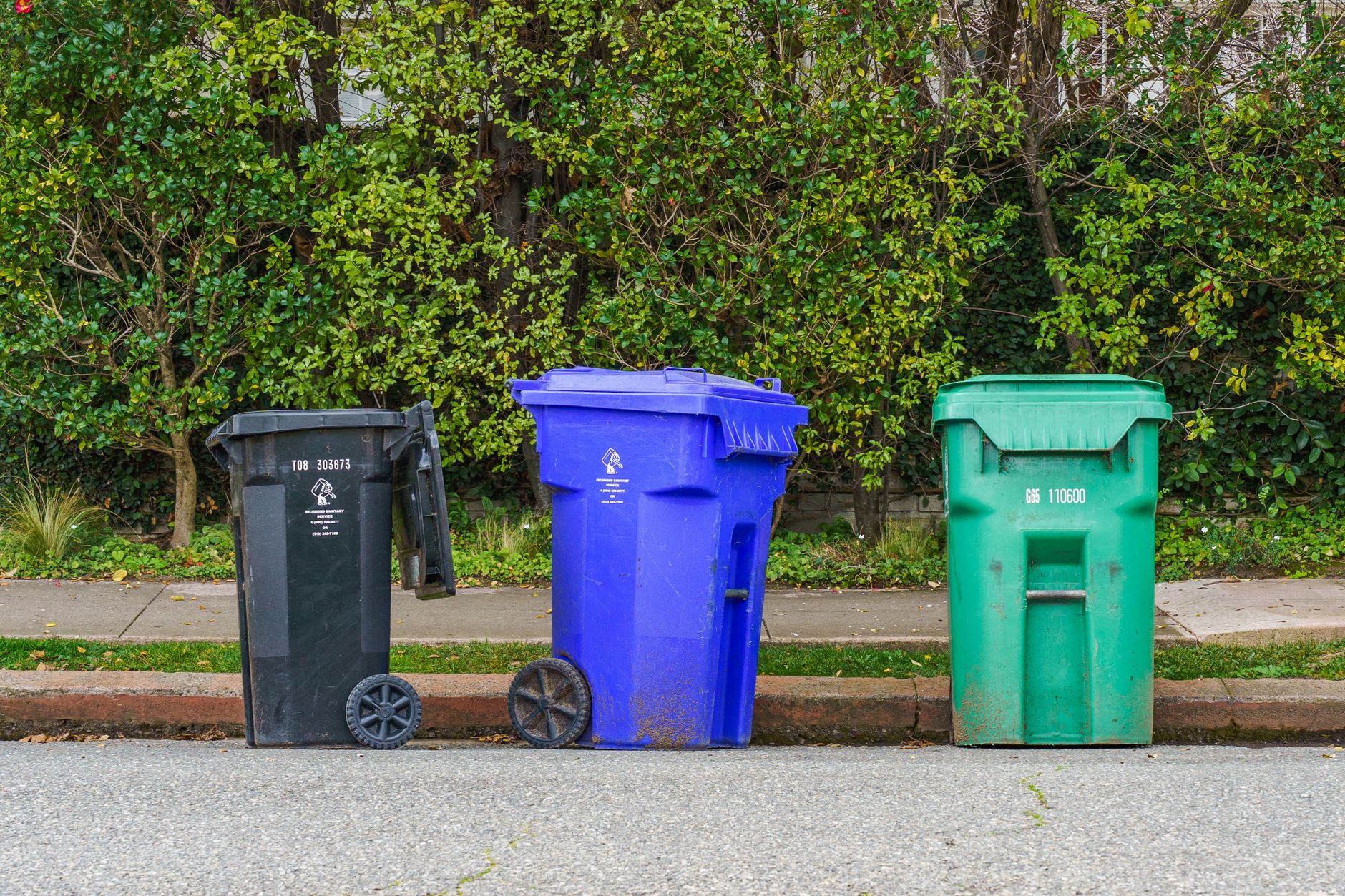
Denver’s expanded Universal Recycling and Composting Ordinance takes effect Sept. 1, extending recycling and composting requirements to many multifamily buildings, businesses, food establishments, permitted events and construction projects. The city has not confirmed that haulers can meet the resulting demand or identified a dedicated implementation budget.
Voters approved the ordinance in 2022; City Council updated it in September 2025, and the city adopted implementing rules June 22. Denver’s URCO program guidance says Sept. 1 is the compliance date for properties not served by Denver Solid Waste Management, generally single-family homes and residential buildings with seven or fewer units.
Most multifamily properties must offer recycling and composting for residents, employees and contractors. Nonresidential properties must offer recycling; specified licensed food establishments must provide recycling for customers, employees and contractors and compost access for employees and contractors. City-permitted events on public property with more than 350 attendees per day must offer both streams. Qualifying permitted construction and demolition projects also face diversion requirements, including new construction and demolition larger than 500 square feet and interior remodels larger than 2,500 square feet.
At an Aug. 5 Denver City Council Transportation and Infrastructure Committee briefing, city staff said the newly covered sectors could represent up to 80% of the city’s waste stream. The informational briefing did not change the ordinance or take formal action.
The rules require minimum capacity equal to 30% of total weekly service capacity for recycling and 10% for organic-material diversion. Each stream must be collected at least every other week. Responsible parties must use a Denver-licensed hauler or document that self-hauled material went to an approved facility.
Hauler capacity remains unresolved. Climate Action, Sustainability and Resiliency staff said the city created an “URCO-ready” list from a survey of licensed providers, but acknowledged Denver does not know whether haulers can cover all demand created by the expansion. The list does not certify spare equipment, route coverage or processing capacity.
The rules allow exemptions for very small waste volumes, unavailable or inadequate hauling service, space or safety constraints, physical barriers and certain economic hardships. Requests generally require documentation. Inadequate-service requests are due by the compliance date; other applications generally must be filed at least 30 days earlier. The rules define fewer than 48 gallons of organic material per month as de minimis.
The city’s rules do not set a numeric contamination limit, a uniform rejected-load procedure or a citywide contamination fee. Staff said at the Aug. 5 briefing that food-only composting is the baseline because a processor stopped accepting some compostable food-service packaging, although individual haulers may accept more materials. Customers will need to follow their hauler’s materials list.