
Broomfield releases 2027 proposed budget materials ahead of schedule
The Sept. 3 release includes proposed 2027 operating and capital budgets and a revised 2026 budget; council review and adoption decisions remain ahead.
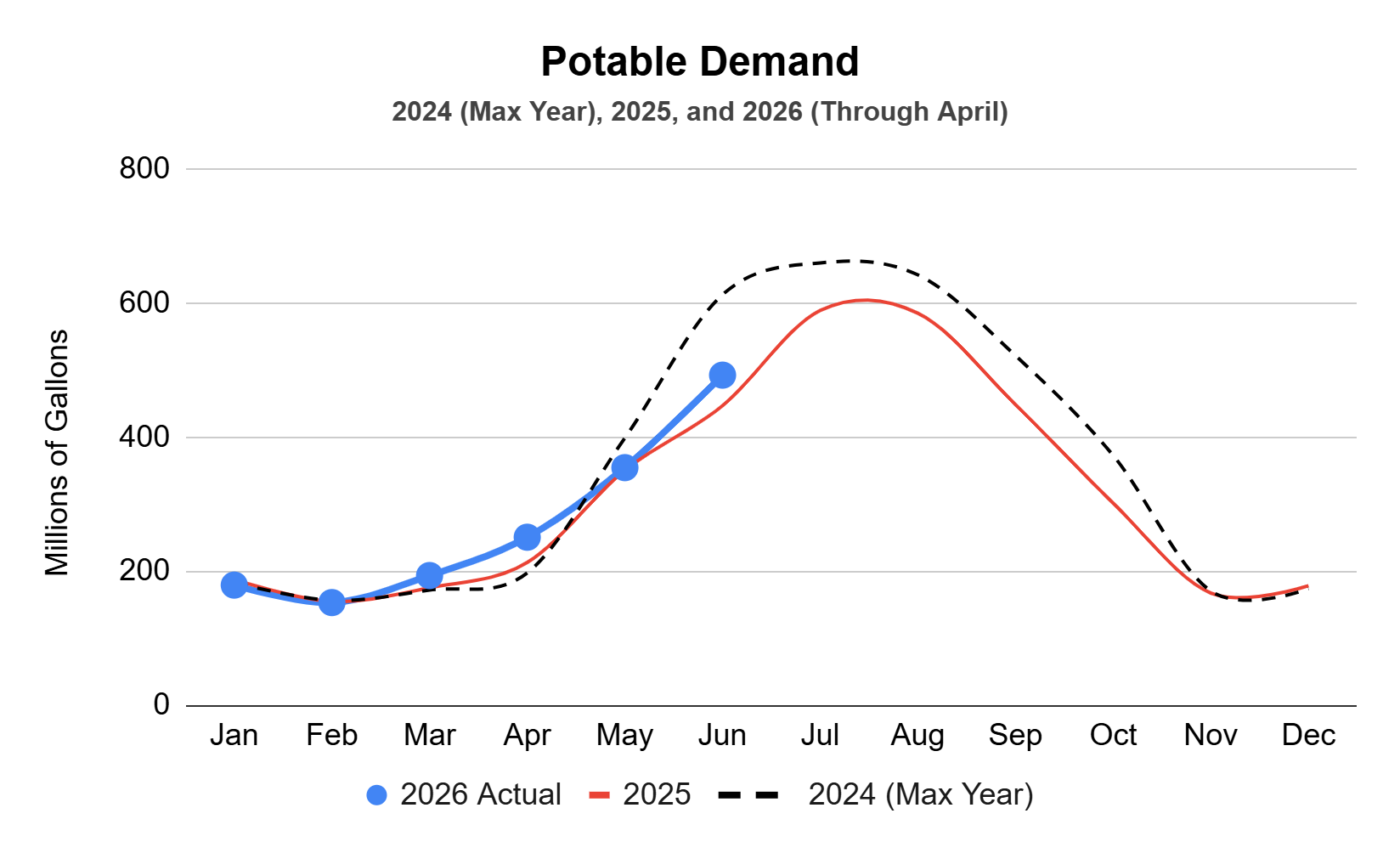
Broomfield posted its proposed 2027 operating and capital budgets and revised 2026 budget materials Sept. 3, earlier than the city’s traditional schedule and ahead of formal council budget proceedings.
The city’s Budget Reports page lists the City and County Manager’s budget message, the revised 2026 budget, proposed 2027 operating and capital budgets, the Arista Local Improvement District budget, and departmental presentations and overviews.
The materials include fund-by-fund source-and-use summaries, department and division details, internal-service allocations, capital-equipment purchases, intergovernmental and community outlays, and full-time-equivalent positions, according to the Sept. 8 City Council packet.
The packet also describes a 2027 five-year Capital Improvement Plan, including project descriptions, justifications, alternatives, estimated costs and, when available, photos or maps. It includes background comparisons on assessed valuation, property and sales taxes, public safety, street conditions, and water and sewer usage and fees. The packet does not provide the budget’s spending totals, revenue projections, overall capital-program total or project-level appropriations.
The Sept. 8 council item is informational, with no staff presentation planned. It is intended to notify the community that the materials are available. Council budget study sessions are scheduled for Sept. 17 and 24, followed by a public hearing Oct. 13. The council is expected to consider adoption Oct. 27; the proposed budget and related utility rates remain subject to changes and final action.
The proposal follows financial concerns raised during an Aug. 18 council study session. Staff projected about $7 million in annual revenue growth against roughly $11 million in expenditure growth, creating a potential $4 million annual structural gap beginning in 2028. Staff described the gap as a future planning risk rather than a current structural deficit, according to the study-session presentation.
Finance officials said departmental reviews identified nearly $15 million in potential savings, including about $4 million in recurring annual savings. The meeting record did not identify a finalized package matching specific savings or revenue measures to the projected gap.
The proposal models a 6.8% increase in the average single-family utility bill, from $136.76 per month in 2026 to $146.07 in 2027. Staff also recommended 7% increases in 2027 water, sewer, reuse and stormwater rates and a 4% increase in water, sewer and reuse tap fees. None of those rates has been adopted.