
Polis orders Colorado agencies to develop statewide pollinator strategy by 2032
The order directs changes to state-land management, pesticide training and highway rights-of-way while calling for agencies to use existing resources and funding.
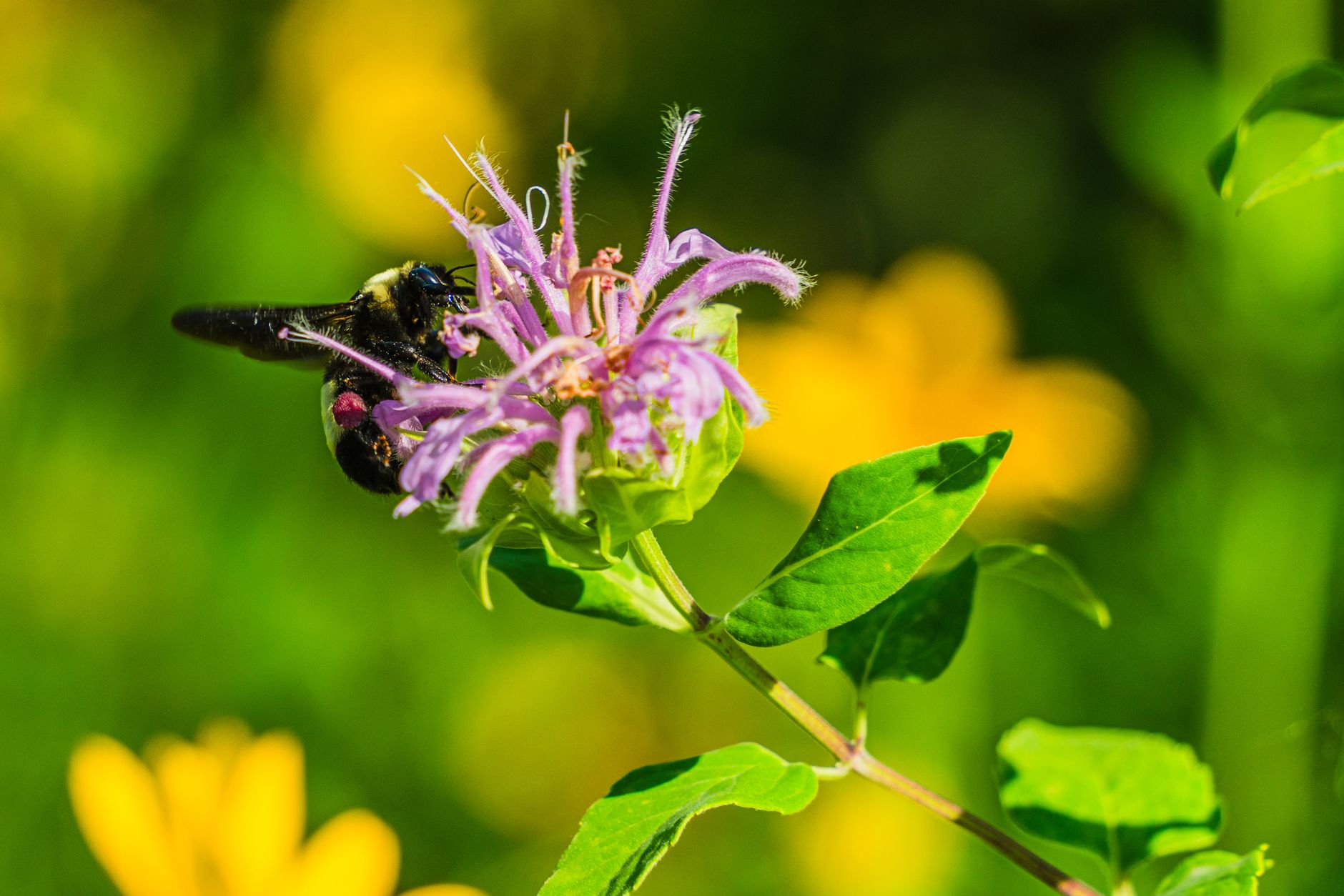
Colorado Gov. Jared Polis has ordered state agencies to develop a statewide strategy for protecting bees, butterflies and other pollinators by Jan. 1, 2032, while directing changes to pesticide practices, training standards and highway landscaping where feasible.
The executive order issued Sept. 16 assigns the effort to the Colorado Department of Natural Resources, which must work with the Colorado Department of Transportation, Colorado Department of Agriculture and the departments of Corrections and Human Services. The strategy must be based on the state’s 2024 Pollinator Study.
The strategy is to include applied research and long-term monitoring of pollinator populations, including how forest and other land-management practices affect pollinator abundance, diversity and habitat. The order says agencies’ needs, capacities and limitations should shape the strategy.
The order directs the agencies to prioritize using no pesticides or pollinator-friendly pesticides and to expand pollinator habitat on state lands. It also calls for pollinator-conservation practices in pesticide-applicator training and licensing standards, along with assessments of pesticide reductions and pesticide-free buffer zones near sensitive habitat.
State trust lands are the first specific category of state property named in the order. Natural Resources must include pollinators in either a Pollinator Stewardship Action Plan or a Biodiversity Stewardship Action Plan for those lands.
For transportation projects, the transportation department must expand pollinator habitat within state highway rights-of-way when possible, including during highway improvements and maintenance. The department’s existing pollinator program includes roadside restoration work and a 60-acre project near Wiley Junction.
The order also directs Natural Resources, Transportation, Agriculture and the Department of Local Affairs to evaluate and leverage existing state and federal grants and programs for local governments and private landowners. Agriculture officials must expand technical assistance and integrated pest-management resources for farmers and ranchers.
The order does not provide a specific appropriation or require new positions. It calls for agencies to evaluate funding needs and use existing funding, staffing resources, grants and programs, without setting numeric targets for habitat acreage, pesticide reductions or pollinator-population gains.