
Denver committee advances proposal to expand traffic-camera enforcement
Committee members voted 7-0 to move the bill forward; it would extend automated enforcement to more city streets and parts of state highways.
Published at
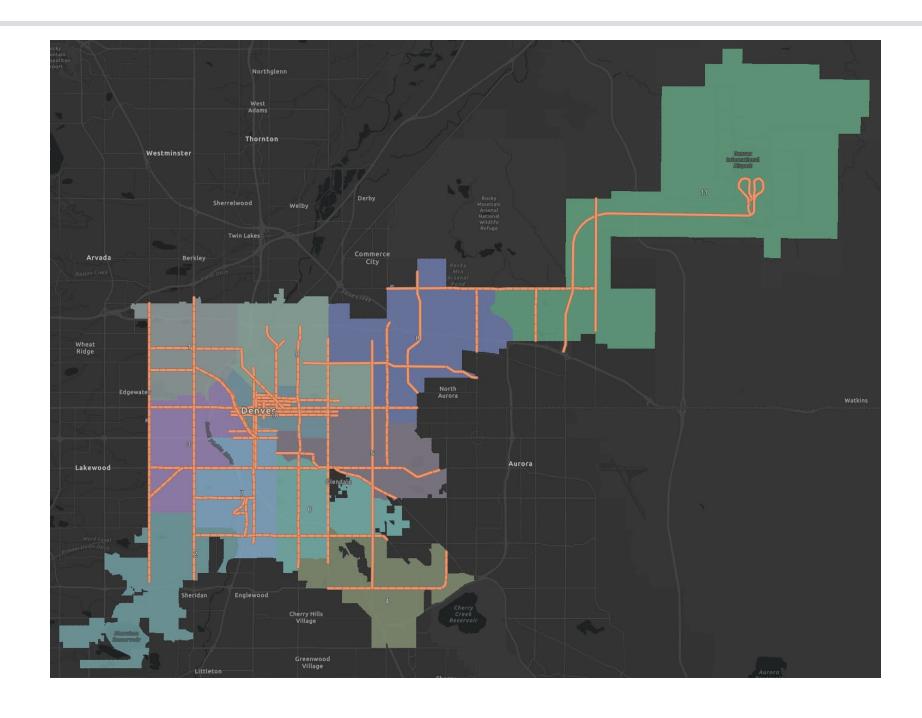
Denver’s Health and Safety Committee voted 7-0 on Oct. 14 to approve for filing a proposal expanding automated traffic enforcement. The bill lists 42 city-street entries and 10 portions of state highways. The committee vote advanced the proposal but did not enact it.
The bill would classify Denver’s existing speed vans as mobile units under its Automated Vehicle Identification System (AVIS). It would also expand camera enforcement beyond speeding to include traffic-signal violations, certain moving violations near schools, bus- and bicycle-lane violations, and passing school buses with active stop-arm signals.
Most new camera deployments would require 30 days of advance public notice, followed by 30 days in which operators could issue warnings but not citations. Those requirements would not apply when a mobile camera is moved within an established corridor, the proposed ordinance says. The bill would generally require notices within 30 days for vehicles registered in Colorado and within 60 days for out-of-state vehicles. Vehicle owners would have at least 45 days to pay or request an administrative hearing; appeals of final orders would go to Denver County Court.
A September Department of Public Safety presentation listed 38 city-street entries and 10 roads maintained by the Colorado Department of Transportation, and said the city would begin with transportable cameras. The bill’s 42 city-street entries include repeated segments, leaving 40 distinct segments. The presentation also repeated entries, leaving 36 distinct segments; the documents do not explain why their lists differ.
Public Safety previously projected that enforcement in designated corridors could begin in the first quarter of 2027, after planning and contracting, in an earlier presentation. Using cameras on state-maintained roads would require state approval.