
Arapahoe commissioners seek more analysis before considering engineering fee changes
Commissioners asked staff for clearer project-level estimates and answers about affordable housing, nearby jurisdictions and service performance. They did not advance the proposal or open public comment.
Published at
Arapahoe County commissioners asked staff Nov. 17 for clearer estimates and additional analysis before considering proposed engineering and right-of-way fee changes, leaving the proposal unadvanced and public comment unopened, as the commissioners directed during the session.
Commissioners questioned whether the fee examples reflected typical project costs and sought more information about affordable housing, comparisons with nearby jurisdictions and how the county would measure whether revised fees improve service. The chair said five commissioners signaled support for staff returning with answers. The board set no deadline for that return.
The proposal would change engineering review fees for development applications and technical reviews, as well as charges for street cuts, utilities, drainage, traffic work and grading, erosion and sediment-control permits. Applicants could include developers, contractors and residents seeking permits for work in county rights-of-way, the staff memorandum says.
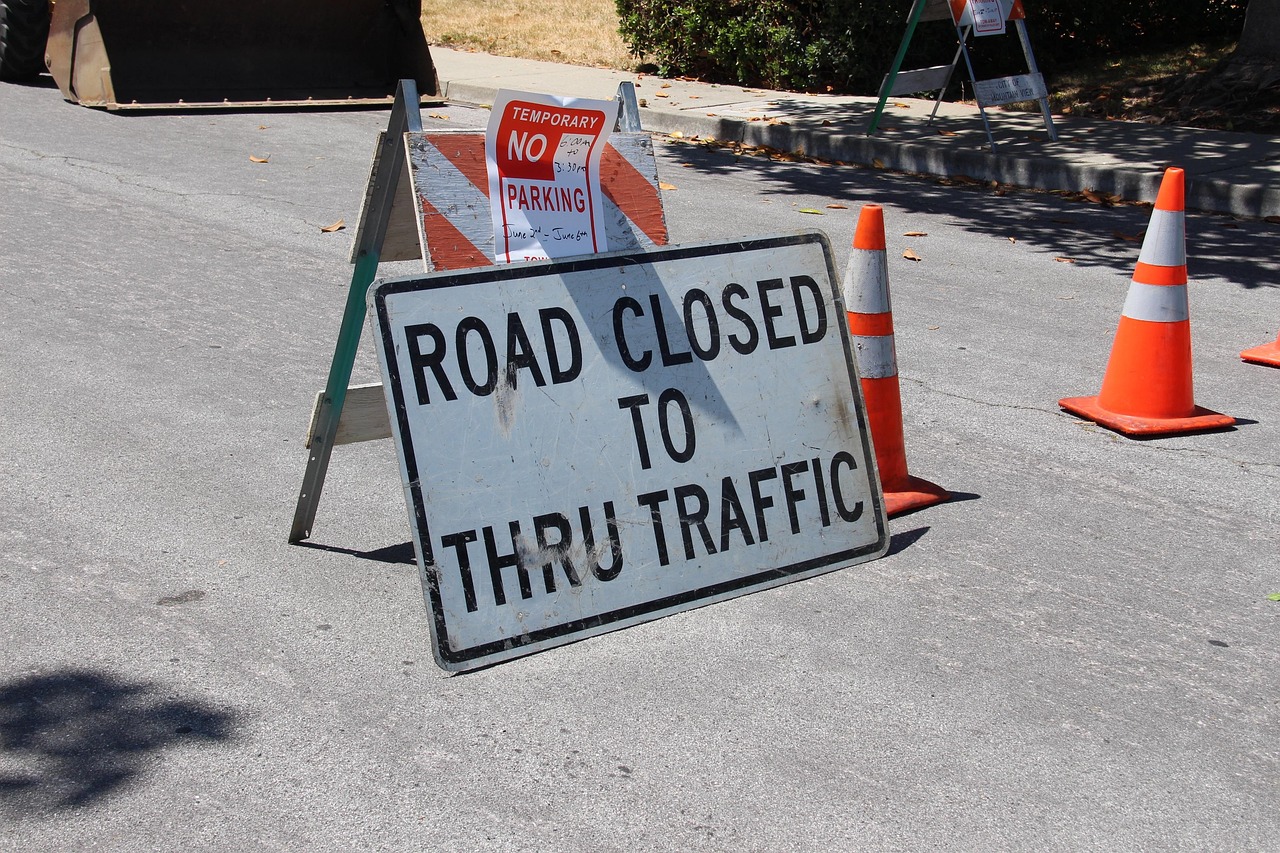
The county’s fee comparison gives the example of a one-week traffic-control permit for fewer than two lanes rising from $250 to $450, an 80% increase. A full-road-closure example rises from $275 to $1,000, about 264%. These are proposed illustrative charges, not current fees. The proposed structure combines a $350 administrative review fee with per-item charges; the current examples use a $200 permit base fee.
Staff say the changes are intended to better match fees to the time and expertise required for reviews, inspections, coordination and permit administration. Engineering review fees have not changed since 2010, and permit fees since 2022, the memorandum says. The county budgeted $525,000 in engineering review and permit revenue for 2026, about 33% of the division’s budgeted expenses. Staff say the goal is not to recover all operating costs through fees.
A Nov. 13 Board summary said that if commissioners later advance the proposal, staff planned permitting-system updates, a public-comment period and a return for formal adoption. Staff estimated implementation could occur in 2028; commissioners set no date for another review or public comment.