
Arapahoe County approves plan proposing lower groundwater allowances
The plan recommends aquifer-specific factors in development review based on county modeling, but the factors must be added to regulations before they can be enforced.
Published at
Arapahoe County commissioners approved an amendment to the county’s 2018 Comprehensive Plan on Nov. 24, adding a water-supply framework through 2050 and recommending groundwater factors for development review, the Board’s meeting account records. The factors would need to be incorporated into development regulations before they become enforceable standards.
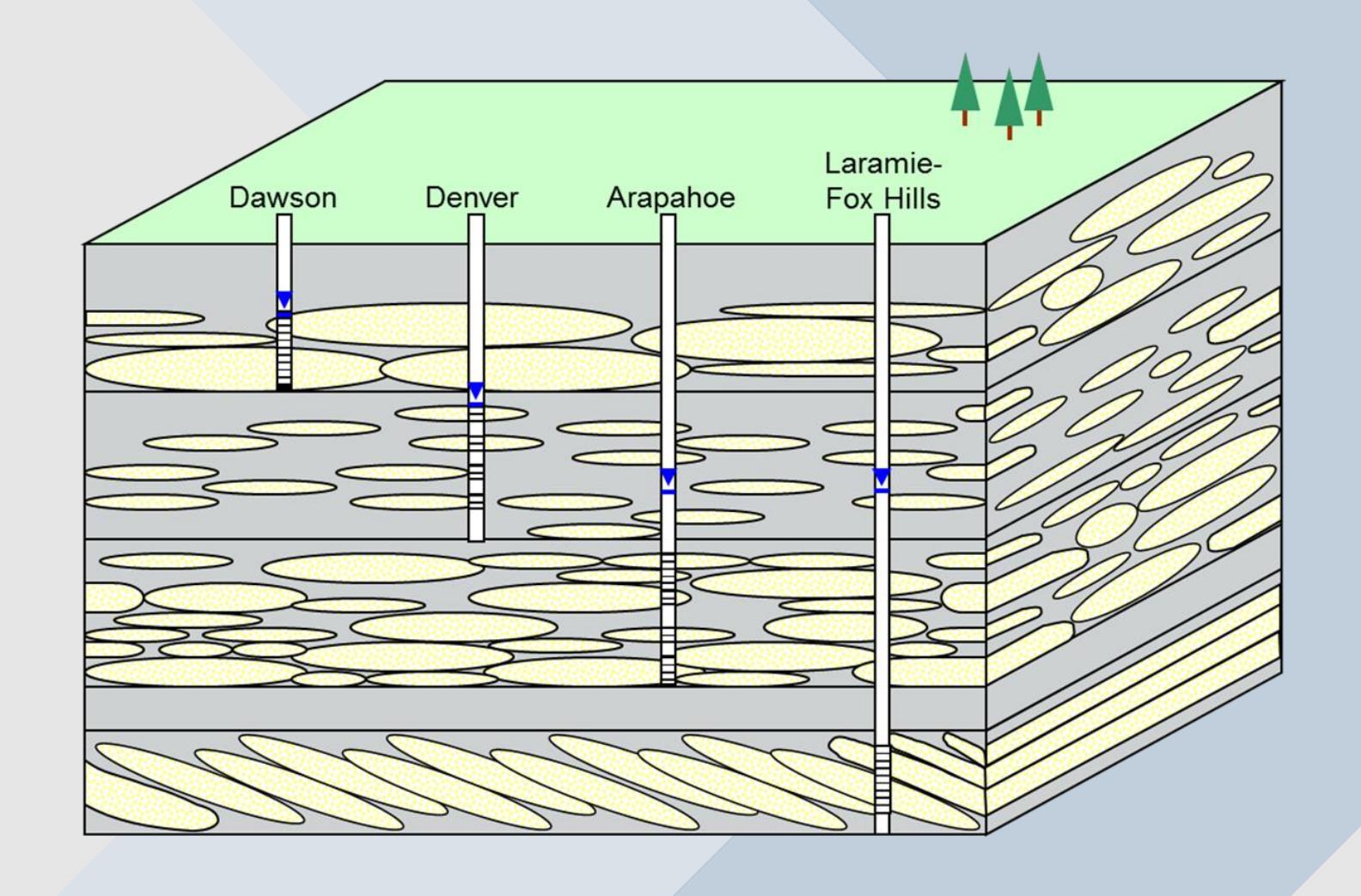
The 2024 county water-supply study estimates that water physically producible with current well-construction methods ranges from 27% to 71% of the amounts allowed under state legal allocation calculations, depending on the aquifer. The modeled figures are 60% for the Denver aquifer, 42% for the Upper Arapahoe, 27% for the Lower Arapahoe and 71% for the Laramie-Fox Hills. The study says its modeling accounts for regional drawdown and interference among wells that the legal formula does not fully reflect.
The Water Supply Element recommends using those percentages as factors during development review. Staff says the approach is intended to better reflect what the aquifers can sustainably produce. A county presentation illustrated the potential effect with a hypothetical allocation that could support 100 homes under the state calculation and about 59 using a weighted-average factor; the example does not assess a specific project, the presentation shows.
State law sets Dec. 31, 2026, as the deadline for including a water-supply element in a comprehensive plan. The Planning Commission unanimously recommended the amendment on Oct. 20, following an informational study session on Sept. 21, the commission’s minutes record.
Arapahoe County Public Health raised concerns that the draft did not adequately address water pressure losses during wildfires and the potential for resulting boil-water notifications. The department also said high-water-use industries such as data centers did not appear to be addressed, its referral comments say. At the Board meeting, staff said timely editorial comments from Public Health had been incorporated.
The Inverness Metropolitan Improvement District and Inverness Water and Sanitation District objected to language suggesting Inverness faces a projected water-supply deficiency. They said their supply plan can meet projected demand under the assumptions they described. Staff said later comments from Inverness and the City of Englewood concerned figures in the underlying study, and that the county plans to meet with both entities and return to the Board if their concerns warrant changes to the element.
Staff also said the county plans to start a recurring water-planning forum in 2027 and complete its first full five-year review by the end of 2031.