
Denver bill would protect designated Legacy Trees and require planting for some projects
The proposal would add safeguards for exceptional trees and construction sites, require planting for some projects and give the city tools to address violations. A committee presentation says Denver’s current $1,600 payment-in-lieu amount would remain unchanged while a required fee study is pending.
Published at
Denver’s proposed Council Bill 26-1451 would create a voluntary “Legacy Tree” designation, add protections for trees during construction and require planting for some development projects. Developers unable to meet a planting requirement would pay a per-tree fee set by the city forester at market rates, under the draft ordinance.
Trees could qualify for Legacy status based on size, age, rarity or historical or cultural significance. A tree would be protected while the city forester reviews a designation application. If approved, the designation would be recorded with city property records. Owners could not remove or damage designated trees, though the draft allows a designation to be lifted in specified circumstances, including an imminent safety hazard or when a tree prevents reasonable development after design options and zoning relief have been exhausted. The current draft also allows the forester to require a qualified arborist to address certain damage to a Legacy Tree.
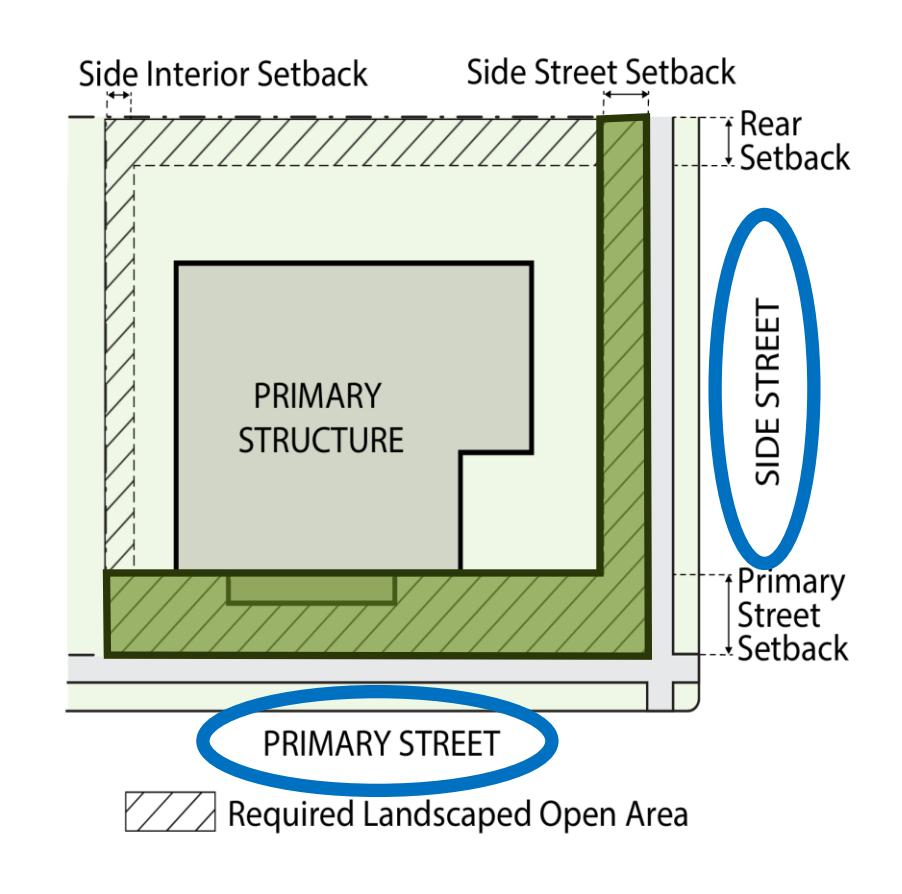
The proposal would require planting for projects such as new primary structures, certain accessory structures or additions with estimated construction costs of $100,000 or more, and some street construction. It would also require permits to remove established trees in protected street setbacks during demolition or construction, along with protective measures for trees during construction.
When required planting is infeasible, the fee would be due before a building permit is issued and would go to the Public Tree Canopy fund. The draft would have the city forester set a market-based rate schedule that could be adjusted annually. A presentation prepared for the Parks, Arts and Culture Committee says the existing $1,600 payment-in-lieu amount will remain unchanged for now because a required fee study is pending.
The Dec. 1 draft would also revise commercial tree-service licensing. It would require a license and a qualified examinee, establish ornamental, general and sawyer license classes, set insurance and safety requirements, and allow license suspension or revocation for listed violations.
The Nov. 19 draft ordinance would authorize the city forester to order a responsible party to correct a violation identified through an inspection or investigation. The forester could also issue stop-work orders for certain unpermitted tree work, including work that injures, damages, destroys or removes a tree on public property or an established tree in a protected setback. Work could not resume until authorized. The city could also issue administrative citations.
For tree damage or unauthorized removal, the forester could require compensation for lost value, replacement, or both, depending on the tree and violation. Removing a city tree after a permit denial could result in compensation of three times the tree’s lost monetary value. If a responsible party does not complete ordered remedial work, the city could arrange the work at that party’s expense. Unpaid compensation or remediation costs could become a lien against specified property if they remain unpaid 30 days after notice or an order. These are proposed, discretionary enforcement powers, not automatic penalties.
The Dec. 1 draft lists April 1, 2027, as a proposed effective date, not an adopted one.