
RTD to weigh fare hikes, labor cuts and service-reduction as deficit options advance
New RTD committee packets show staff asking the board to model politically sensitive options ahead of a June 23 meeting, including higher fares, labor-cost changes and service-hour reductions that could fall hardest on lower-ridership areas.
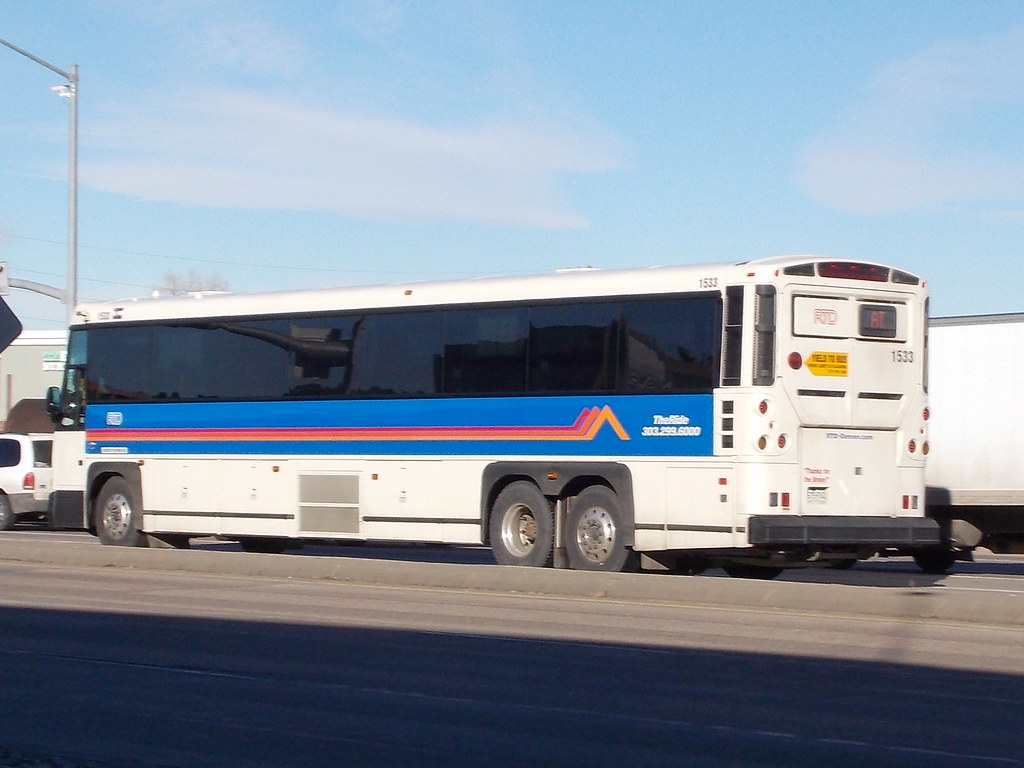
RTD’s board is scheduled to consider a newly surfaced set of deficit-reduction strategies on June 23, including fare and pass price increases, labor-cost reductions, debt refinancing and possible legislative or ballot-measure revenue options, alongside service-hour changes tied to geography and ridership that staff says could produce the agency’s biggest savings.
The question is significant because RTD says it has operated in a structural deficit since 2024 after federal pandemic relief expired, and because staff told the board in a May 27 study session that “likely all” major deficit strategies will be needed to eliminate the shortfall. The same June 23 meeting agenda also includes a proposed Broncos home-game transit pilot that staff estimates would cost about $1.68 million and bring in about $497,855 in incremental fare revenue if the added capacity were fully used.
In a June 9 Finance and Planning Committee packet, RTD staff asked directors to authorize deeper modeling for four tactics: fare and pass pricing adjustments, legislative reforms for added revenue, refinancing opportunities and labor-expense changes. Staff estimated those items at up to $12 million from fare and pass increases, at least $1 million plus major cash-flow relief from refinancing, and up to $45 million from labor-related changes, though the packet says the measures are not fully cumulative.
That finance packet says recent refunding analyses showed about $38 million in possible 2027 cash flow under certain assumptions. In the earlier May 27 study-session materials, RTD and its financial adviser outlined a preliminary bond-refinancing structure projecting about $37.8 million in fiscal 2027 cash-flow savings and about $2.5 million in interest savings, subject to market conditions.
A separate June 10 Operations, Safety and Security Committee packet shows RTD is also preparing to model more direct service reductions. That report asks the board to authorize deeper modeling of options including a ballot measure, fare-media activation, real-estate income, footprint reductions and modifying service hours “in alignment with geographic considerations and utilization.”
Staff described service-hour changes in that packet as “the agency’s largest cost-reduction category,” estimated at $0 to $102 million. The packet says board suggestions captured in the May study session included reducing FlexRide where it duplicates other service, eliminating FlexRide and Access-on-Demand programs, cutting service in outlying areas, adopting a “use it or lose it” standard for underperforming routes, and evaluating whether to shrink the service district toward higher-ridership areas.
The May 27 study-session packet sharpened that geography question further. One slide summarizing board feedback says directors discussed limiting or reducing poorly used service, especially in non-urbanized areas such as Longmont and Lafayette, and another suggestion said RTD should “shrink the district to areas that have ridership that can support higher frequency.”
RTD’s own scenario table suggests how consequential those choices could be. In the June 10 packet, staff compared scenarios ranging from no service-hour reductions to a 36% reduction in bus service hours. According to the table, even some large-cut scenarios still failed either RTD’s fiscal-policy tests or the board’s December 2025 balanced-budget directive, while the agency said it should maintain at least a $200 million unrestricted cash balance.
At the same June 23 board meeting, RTD is also scheduled to consider a Broncos home-game transit pilot for the 2026-27 season. The June 10 packet describes the proposal as the “low” service level from RTD’s high-volume event plan, with extra rail and bus service for Broncos games and a postseason review of ridership, customer feedback and feedback from the team.
The proposal assumes 11 home games, including two preseason games and one playoff game, though the same RTD packet says the actual number of playoff games could range from zero to three. RTD says broader event service for Broncos games can average more than 10,000 customers and is intended to improve mobility, reduce congestion and support environmental goals, but the agency also notes its fare-revenue estimate assumes a sold-out event and full use of the extra capacity, which “may not be the case when operationalized.”
What remains unresolved is which of these options the full board is actually prepared to embrace, and how quickly directors want staff to move from modeling into concrete budget proposals. The available records are committee and study-session packets — prospective documents, not final vote records — so they show what RTD staff and board members are asking the agency to analyze, not what the board has approved. RTD’s June 23 board meeting is listed on the agency’s public events calendar.