
Denver committee sends contested South Monaco rezoning to full City Council
A 5-0 committee vote moved the 4901 S. Monaco St. rezoning forward after members questioned why the project needs new zoning, how large it could become and how it would operate.
Published at
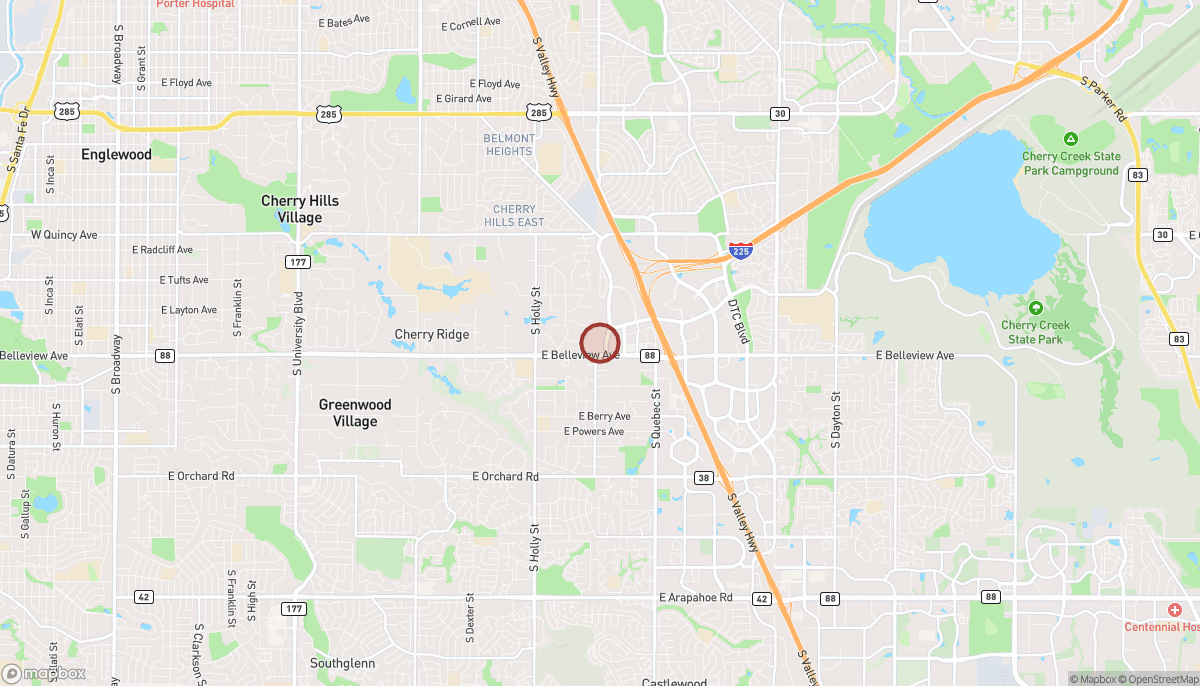
Denver City Council’s Community Planning and Housing Committee voted 5-0 on June 9, with two members absent, to advance a contested rezoning at 4901 S. Monaco St. to the full council.
The proposal would change the nearly 3-acre site from B-4 with waivers and use overlays to S-MX-5. During the committee hearing, the applicant said Guardian Recovery wants to adapt the former assisted-living building into a residential addiction-treatment and mental-health facility.
The committee vote does not approve the rezoning. It sends the bill to the full City Council, where the central question will be whether council members accept the city’s planning rationale or side with neighbors who argued the project would be too intense for the area.
The Monaco case drew the most visible opposition of the committee’s three rezonings that day. Committee discussion referenced 29 opposition comments, while the panel’s other two rezonings moved with little visible conflict. One would help replace homes lost in Elyria-Swansea to the I-70 expansion, and another would allow a lot split in Westwood.
At the hearing, opponents raised concerns about traffic, parking, safety and the project’s future scale. Public comments submitted to the city also cited possible parking spillover, noise, higher occupancy and the possibility of detox services at the site.
Committee members also focused on why a rezoning is needed if a residential-care use was already allowed on the property. City planning staff said in a May 27 report that the site remains under Denver’s older Chapter 59 zoning code and that the owner intends to reuse the existing three-story building, previously used as a nursing and assisted-living facility, for residential care.
At the committee hearing, the applicant said the zoning change would provide more financing certainty for what members described as a capital-intensive project. The applicant also said the facility would ramp up occupancy in phases rather than open at full size.
That question of scale is likely to remain central at full council. The staff report says the proposed S-MX-5 district would allow larger residential-care uses under current zoning rules, including Type 4 facilities with 101 or more guests, subject to zoning permit review and a community information meeting. At the hearing, the applicant said potential capacity could eventually reach 170 beds.
The applicant also told the committee the center would operate under state licensing and Joint Commission oversight, with 24/7 staffing, and would serve some patients covered by Medicaid and commercial insurance. Committee discussion also referenced a proposed good-neighbor pledge meant to address accountability with nearby residents, though opponents said key issues remained unresolved.
Community Planning and Development recommended approval, saying the change would move the property out of the former zoning code, allow predictable building forms and align with adopted city plans calling for a mix of housing types and services.
The June 9 vote showed committee members were willing to move the bill forward despite organized opposition. The political question now shifts to the full council, where members will have to decide whether the proposal is primarily a zoning update and treatment-access case or a neighborhood-compatibility dispute over intensity, traffic and trust.