
Jeffco posts districtwide student device policy ahead of Colorado deadline
The district’s posted rules set the strictest limits for elementary students, allow some school-level flexibility for middle schools and restrict high school phone use during class time, though the posted policy page still contains conflicting discipline language.
Jeffco Public Schools has posted a districtwide student communication-devices policy and regulation ahead of Colorado’s July 1 deadline for districts to adopt and post rules on student device use during the school day.
Under the posted regulation, students in grades K-5 generally may not use phones or earbuds during the school day and must keep them turned off and out of sight from arrival to dismissal. For grades 6-8, the regulation sets the same baseline but says use may be allowed under school-level expectations as long as it does not interfere with safety, supervision or learning.
For high school students, the regulation says phones and earbuds must remain off and stored during instructional time unless a staff member authorizes use for a specific instructional purpose. It also says schools may allow use outside that floor under site-based expectations, reflecting high school students’ “increasing independence.”
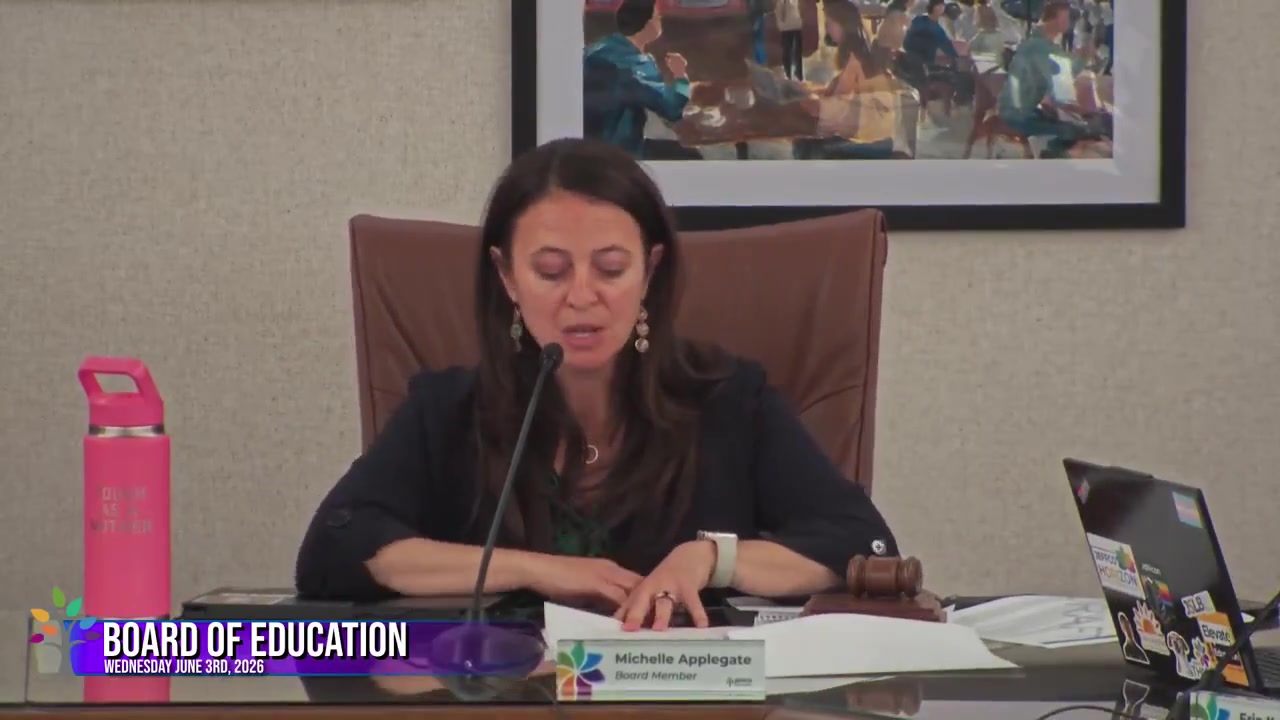
That structure tracks the direction board members gave staff during a June 3 study session. During that public discussion, board members said they were trying to balance classroom focus, student social interaction, safety concerns and the practical differences among elementary, middle and high school campuses.
One significant question remains unresolved on the district’s posted policy page. The page says “suspension and expulsion are not sanctioned disciplinary actions for cell phone infractions”. But it also includes language saying policy violations may lead to discipline under the district matrix, “up to and including suspension or expulsion.”
That conflict matters because, during the June 3 discussion, board members and staff distinguished between a phone-only violation — such as having a device out when it should be stored — and more serious misconduct involving a device, such as harassment, recording in prohibited settings or attempts to compromise district technology systems. In that meeting, staff said suspension or expulsion was not intended for a simple phone infraction, but the final operative language is not fully clear from the public records cited here.
The posted regulation also gives schools leeway on enforcement. Schools must at minimum adopt the district guidelines but may add use parameters to maintain an academic environment, and school leaders are responsible for publishing campus-level expectations before the school year starts. Families may still see differences from school to school this fall, especially in middle and high school.
Jeffco’s policy comes under a 2025 Colorado law requiring school boards, charter schools and the Colorado School for the Deaf and the Blind to adopt, implement and post a student communication-device policy by July 1, 2026. The Colorado Department of Education says the law is intended to reduce distractions and cyberbullying while supporting student health, safety and welfare.
Community debate over the policy has included concerns about emergency communication. A spring Golden Transcript report said some families in the Evergreen High community argued that student phones can feel essential during lockdowns and emergencies, even as district leaders and many educators pushed for tighter school-day limits.
What is clear from the posted documents is that Jeffco is setting a district floor rather than a single identical rule for every campus. What remains less clear is whether the district’s final posted text fully resolves the discipline language and how each school will translate the district standard into its own handbook before students return this fall.