
Colorado PUC opens transmission rulemaking on planning, grid technology and cost recovery
Commissioners opened a statewide rulemaking that could change how utilities plan major transmission projects, evaluate lower-cost alternatives and recover some costs from customers.
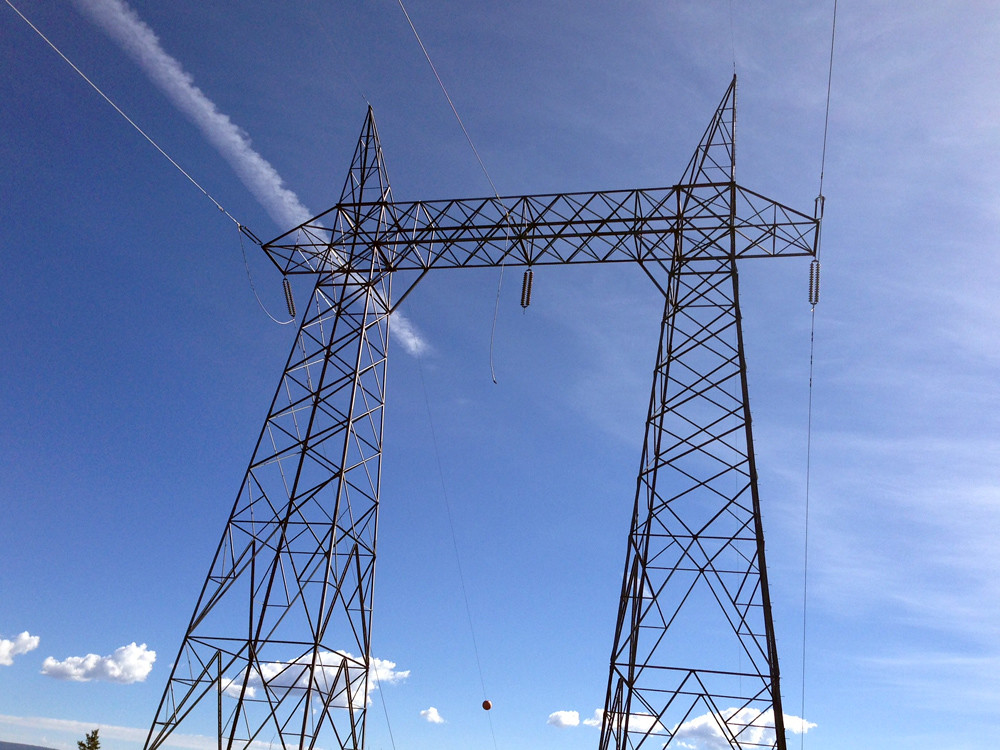
The Colorado Public Utilities Commission on June 10 opened a broad transmission rulemaking that commissioners said is meant to update how utilities plan major power lines, justify new projects and seek recovery of those costs from customers, according to the commission's weekly meeting record.
Commissioners said the proceeding is expected to address transmission planning, certificates of public convenience and necessity, reporting requirements, electric resource planning and transmission cost recovery, according to the same meeting record. Those rules shape when utilities propose new lines, what alternatives they must study first and when they can begin seeking to recover project costs in rates.
Among the possible changes commissioners discussed were moving Colorado toward a 20-year transmission planning horizon, requiring stronger alternatives analysis and financing comparisons, clarifying which transmission investments are eligible for accelerated recovery, and adding evaluation and deployment requirements for advanced transmission technologies, according to the meeting record.
That last piece is tied to House Bill 26-1081, enacted this year. The law requires the commission to amend its rules so regulated utilities consider advanced transmission technologies in their 10-year transmission plans and identify strategies to reduce construction costs and obtain financing for new transmission, including by considering bonds issued by the Colorado Electric Transmission Authority in some cases, the session law says.
The law also requires utilities to explain in detail when they evaluate advanced transmission technologies but do not include them in a transmission plan. On the legislature's bill page, the General Assembly staff summary describes those technologies as hardware or software that can increase the capacity, efficiency, reliability or resiliency of existing or new transmission facilities.
Colorado's current transmission-planning framework is organized around utilities' 10-year Rule 3627 plans. Advanced Energy United said in a post about the 2026 legislative session that the new law's advanced-technology evaluation is expected to appear in utilities' next Rule 3627 filings in 2028.
The likely policy disputes include who pays for new transmission, how much analysis utilities must complete before proposing new lines, and whether grid-enhancing technologies can defer or replace more expensive construction. During the bill fight, supporters argued that utilities should be required to fully explore lower-cost options before customers are asked to fund major transmission projects, according to Advanced Energy United's account of the bill signing.
Specific positions in the new docket were not yet available in the public record reviewed for this story, so it remains unclear which utilities, consumer advocates, local governments, clean-energy groups or large customers will seek to shape the final rules.
The rulemaking arrives as Colorado regulators and utilities are also discussing rising electric load and future transmission needs. A March 2026 PUC presentation on load growth and beneficial electrification said Xcel Energy expected joint transmission portfolio certificate filings in 2026 and 2027, underscoring why the planning and cost-recovery rules matter now.
Still unresolved are the docket number, the commission's proposed rule text and the intervention lineup. Those filings will show how far Colorado may go in requiring longer-range planning, deeper alternatives analysis and faster or more limited recovery of transmission costs from ratepayers.