
Englewood panel recommends clearing old right-of-way, easement records for Sequel apartments
Planning commissioners unanimously recommended City Council approve two vacations at 3021 S. Galapago St., with staff and the owner saying outdated right-of-way and utility records could complicate refinancing and future title work.
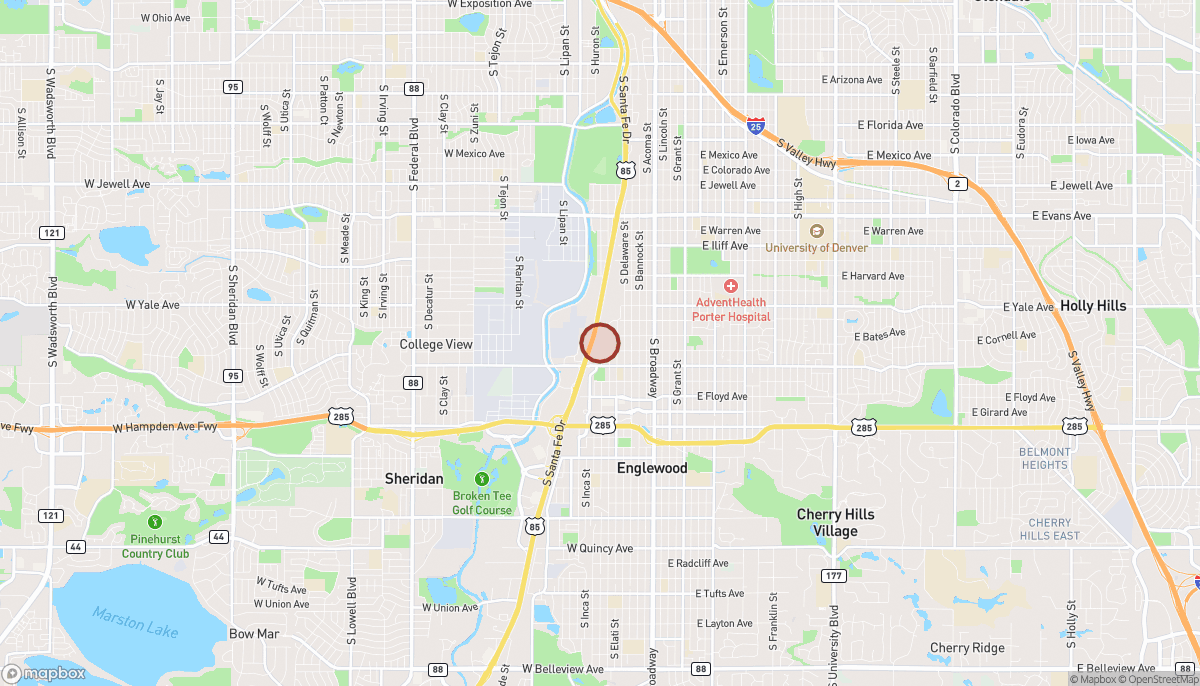
Englewood’s Planning and Zoning Commission unanimously recommended Tuesday that City Council approve two property vacations tied to the Sequel apartments at 3021 S. Galapago St., after city staff told the commission the action would clear old title problems and align the public record with the site’s existing building and utility layout.
The recommendations cover two separate cases at the same property: about 8,155 square feet of unused public right-of-way and an older utility easement. Both still require City Council approval because, staff told the commission, the right-of-way reservation and easement were created through prior city actions and must be vacated by Council.
During the hearing, the applicant told commissioners the issues resurfaced during title work tied to a refinance and said resolving them was important to avoid losing financing. Staff described the right-of-way case as cleanup of a long-standing reservation dating to Englewood’s 1969 master street plan and a 1973 update that was never fully used for street widening.
In the right-of-way case, staff said the reservation remained even after the city exchanged land with a prior owner in 1989 for the Cornell Avenue extension, and that no public benefit remained in keeping the unused strip. The applicant said a 1989 agreement required the city to clear encumbrances within 90 days of that sale, but the current owner could not find evidence that had happened.
Commissioners heard no objection from nearby owners during the public hearing, and the city attorney said on the record there was no legal hesitation about vacating the land and no request that the owner pay the city for it.
The easement case was similarly framed as record cleanup rather than a change to active utility service. Utility staff told the commission the old easement was no longer needed because the project’s utilities are already installed and in service, the city has the easements it needs elsewhere, and older lines in the area had been abandoned and rebuilt. The applicant added that a newer 50-foot easement largely replaced the older one and that the overlap problem was also uncovered in the refinance-related title search.
No one spoke against that easement vacation either, according to the hearing record.
Sequel is not a proposed redevelopment but an operating apartment complex that Saunders says was completed in June 2023 with 203 units. That means the city is not deciding whether apartments should be built there, but whether to remove legacy encumbrances the owner says could interfere with refinancing and future property transactions.