
Denver committee advances entertainment licensing overhaul
The proposal would cut Denver’s entertainment licenses from 14 types to three, make many uncontested hearings optional and let some venues stay open until 4 a.m. without extending alcohol service.
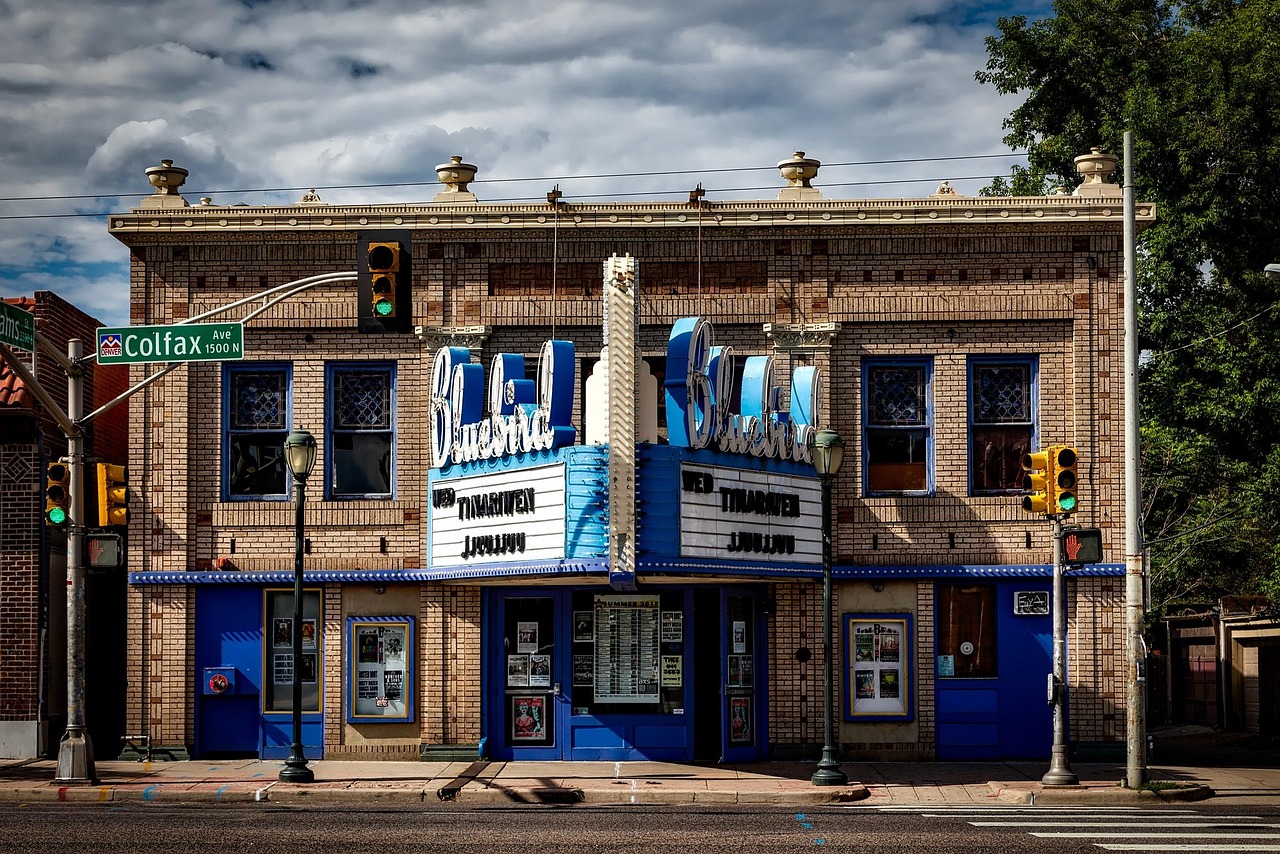
Denver’s Finance and Business Committee voted 6-0 on June 23 to advance Council Bill 26-0921, a broad rewrite of the city’s entertainment licensing rules. Committee minutes say the measure next heads to the full City Council. Staff said in the June 23 presentation that the working timeline was July 9 for filing and July 13 for council consideration, though the bill could still change before adoption.
The proposal would replace Denver’s four entertainment categories and 14 license types with three licenses: limited entertainment, nightlife entertainment and adult entertainment, according to city licensing materials. The city says the goal is to simplify rules that now treat lower-impact uses such as movie theaters, bowling, background music and some unamplified performances like higher-impact nightlife venues.
Under the proposal, nightlife and adult entertainment businesses could stay open until 4 a.m., though alcohol service would still end at 2 a.m. under state law, the city says. Licensing staff said in the committee hearing the later closing time could stagger crowds leaving nightlife districts.
The bill also would make many licensing hearings discretionary instead of mandatory. Staff said in the hearing that more than 95% of current cabaret-style hearings are uncontested. Hearings would still be required when there are relevant and substantial objections or other circumstances set by department rules, according to the city presentation.
City officials said neighborhood input would remain part of the process. The presentation says registered neighborhood organizations would receive notice of new applications, transfers and major modifications.
The rewrite would also remove standalone entertainment-license requirements for some lower-impact businesses and activities. City draft materials say that includes movie theaters, nonprofit cultural institutions, athletic facilities, amusement and water parks, government and school facilities, and recreational activities such as bowling, darts, golf and axe-throwing. Background music, sports shown on TVs or radios, and some single-performer unamplified acts also would no longer need a separate entertainment license.
At the same time, the proposal would add safety requirements for nightlife and adult entertainment businesses. Staff said in the hearing that those rules would include security plans, surveillance and recordkeeping through later rulemaking, plus requirements to make reasonable efforts to prevent disorderly behavior and reduce disorderly congregation within 25 feet of entrances and exits. Businesses admitting people under 21 after 10 p.m. also would need an underage-patrons endorsement, the draft bill says.
Public comment split between support for simplifying the system and concerns about late-night operations, privacy and enforcement. Don Koo, a Lower Downtown Neighborhood Association board member, told the committee he supported the overhaul. A Denver Police Department district officer, responding to a question from Councilmember Darrell Watson, said in the hearing that District 6 police supported the ordinance and believed it could improve safety in LoDo and Ballpark.
Rebecca Green of Mothers Against Drunk Driving Colorado told the committee she supported streamlining the licensing system but opposed allowing venues to operate until 4 a.m. Devon Dewey of Dancers for Rights raised privacy concerns about recordkeeping and worker information. Hospitality attorney Adam Stapin said some terms remained vague even though he agreed mandatory hearings were no longer necessary.
Council members who voted to advance the bill also flagged possible changes before full council review. Council Pro Tem Diana Romero Campbell and Council President Amanda Sandoval said during the hearing they wanted more clarity on rulemaking, privacy protections and the 25-foot congregation rule. Staff also said an amendment was expected to clarify that the proposal’s weapons ban would not apply to licensed armed security guards or law enforcement.
If adopted, the city says the new system would take effect April 1, 2027.