
Denver’s housing-zoning rewrite is moving ahead, but key rules remain unsettled
Denver staff say the citywide “Unlocking Housing Choices” rewrite still centers on infill and affordability bonuses, but anti-displacement measures and dimensional standards are still being worked out.
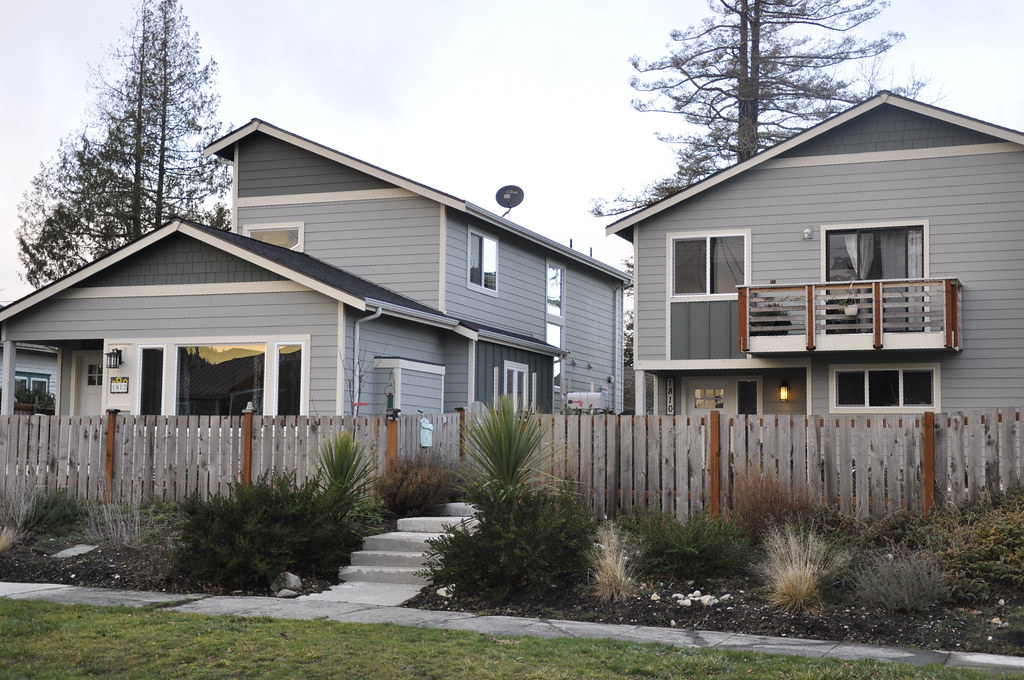
Denver is still moving toward a citywide zoning rewrite that would open more single-unit and two-unit neighborhoods to small multi-unit housing, but some of the most consequential details remain unsettled.
At a June 23 joint work session, city planning staff told Denver City Council and Planning Board that the latest "Unlocking Housing Choices" draft still rests on three strategies: tighter house-scale design rules, an infill bonus that allows more units when an existing home is kept, and an affordability bonus that allows more homes when at least one unit is income-restricted or placed in a community land trust.
The proposal is one of Denver’s broadest active land-use overhauls. The city’s project page says Phase 1 aims for citywide zoning changes by the end of 2026, with City Council consideration planned for later this year. But as of June 26, the city had not publicly posted a filed ordinance or final legislative text on that page.
Staff said at the June 23 session the affordability bonus would apply in single-unit and two-unit districts, but not row-house districts that already allow more units. Under that draft, rent-restricted units would be set at 70% of area median income and for-sale units at 100% of AMI; staff also said a qualifying unit could instead be placed in a community land trust.
Staff also indicated the city has not settled on a simple universal unit cap. Officials said they are instead working from floor-area limits tied to lot size and unit count, an approach they said would usually yield about three to four units on a 6,500-square-foot lot while steering development away from oversized replacement houses.
That approach has been part of the project for months. In spring 2026 presentation materials, the city said the rewrite would limit mass and scale in house-scale neighborhoods, allow more housing when the primary structure is retained, and allow more housing when affordable units are provided. An April advisory-committee presentation framed the work around compatibility, attainability and supply.
On June 23, council and planning board members pressed staff on anti-displacement guardrails, how the proposal would work on suburban lots, and whether the affordability bonus would be financially realistic outside mission-driven development, according to the work-session record.
Officials said at the June 23 meeting that setbacks, floor-area caps, implementation rules and some neighborhood-context standards are still being worked out with an advisory committee, partner agencies and public feedback collected this spring.
The city’s redevelopment assumptions also remain projections, not commitments. The June 23 session summary said staff presented consultant modeling showing Denver averaged 237 single-unit redevelopments a year from 2010 through 2024, with 155 typically replaced by larger single-family homes and 82 by missing-middle housing. Under the rewrite, staff said annual outcomes could range from 83 lots converting into 249 homes at the low end to 675 lots converting into 2,025 homes at the high end.
That premise matches an official May 2026 expected-outcomes memo, which said any housing production under Unlocking Housing Choices would still depend heavily on demand, construction costs, interest rates and parcel conditions.