
Colorado activates emergency center, recovery task force as wildfires disrupt key lifeline
A July 17 state report says evacuations tied to three wildfires left food, water and shelter unstable, while outlining assistance resources and the next daily fire-figure checkpoint.
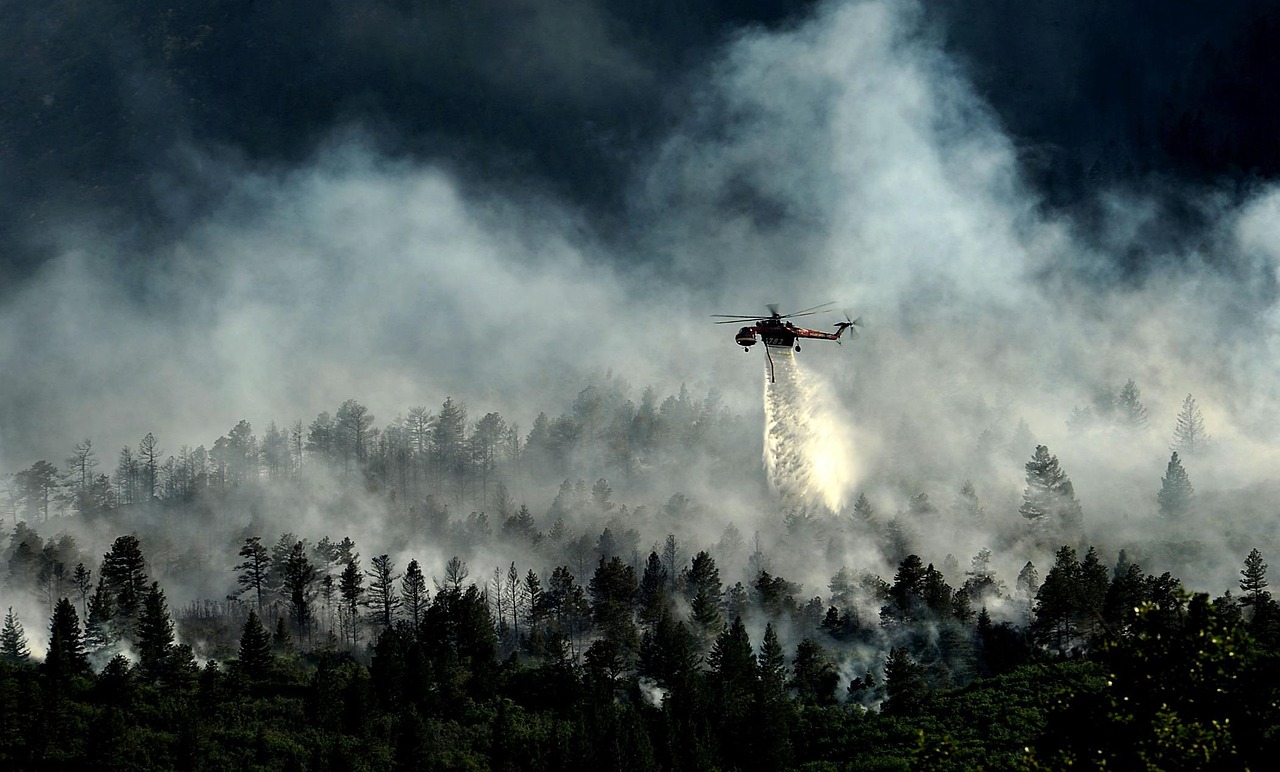
Colorado fully activated its State Emergency Operations Center and State Recovery Task Force on July 17 as evacuations from three wildfires left food, water and shelter an unstable community lifeline, the state said in its daily status report.
The designation does not mean every community statewide lacks those services. It means the state is coordinating a multi-incident response and recovery effort. The report listed the Aspen Acre Fire in Custer and Pueblo counties, the Willow Fire in Lake County and the PL Gulch Fire in Rio Blanco County. It attributed the unstable lifeline to “numerous evacuations” and said other state-level lifelines were stable.
What the levels mean
Response Level 1 means the State EOC is fully activated with multiple state agencies and FEMA staff. Recovery Level 1 activates the State Recovery Task Force; the report also listed debris and watershed working groups as part of that structure.
FEMA defines community lifelines as fundamental services that emergency officials prioritize for stabilization when an incident disrupts normal life. The state report identified food, water and shelter as the unstable group but did not provide a statewide count of affected residents or a list of unavailable facilities.
Assistance and information
The report directed residents to Colorado 211, the Colorado Disaster Recovery Hub, county recovery pages and voluntary organizations for fire information and disaster assistance. It also listed Crisis Cleanup and Airbnb.org transitional housing, with initial stays of up to 10 days for eligible individuals or families.
For the Aspen Acre incident, the report listed a Disaster Assistance Center at Pueblo Academy of Arts, also known as Pitts Middle School, at 29 Lehigh Ave. Assistance listings may be incident-specific; residents should check 211 or county emergency-management information for eligibility, hours and services before traveling.
When information will change
Fire-size and containment figures are reported at 8 a.m. daily by the team managing each fire, while the map is updated throughout the day, according to the report. It does not give a separate time for the next complete status report, so 8 a.m. is the clearest checkpoint for incident figures—not a guarantee that every part of the update will refresh then.
The July 17 report did not provide a statewide total for displaced people or a county-by-county inventory of food, water and shelter disruptions. Those details may change as evacuation orders and shelter operations change.