
RTD board to weigh 2027 fare revenue, service cuts and debt refinancing
The draft July 28 agenda would pair projected FasTracks debt-service savings with a possible fare increase, budgeted service reductions and $1 million for event service; final decisions remain pending.
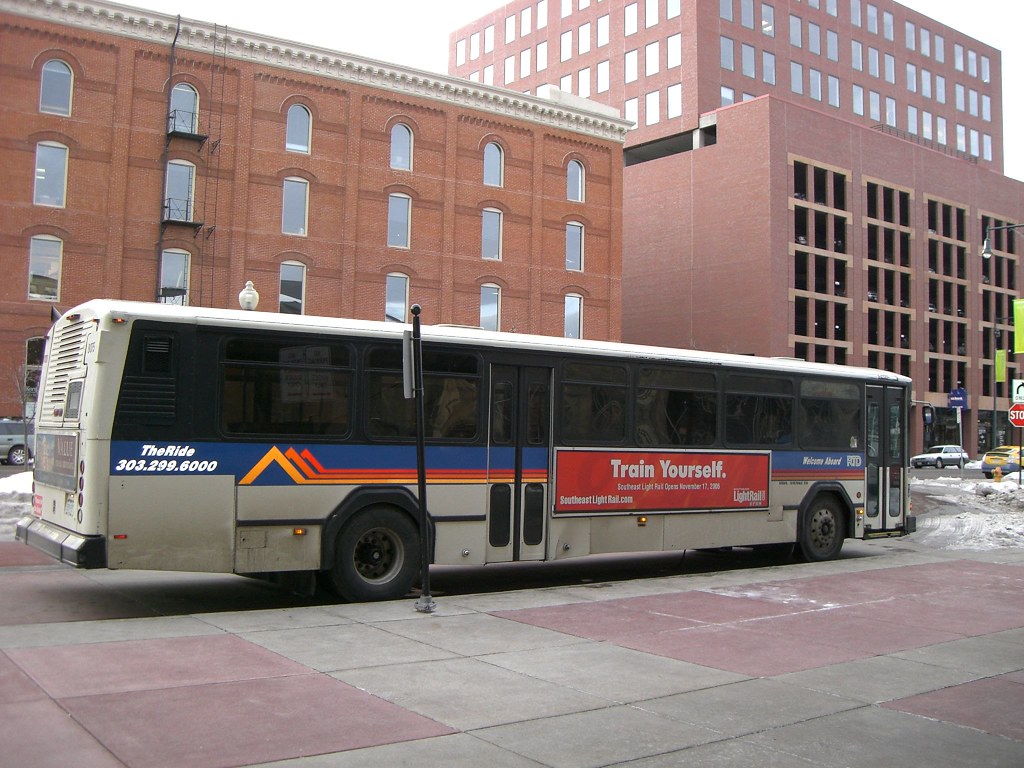
RTD directors are scheduled to consider a framework for the agency’s 2027 budget on July 28, including a possible fare increase, service reductions and FasTracks debt refinancing. None of the actions had been adopted as of July 21.
The draft board agenda and staff packet proposes refunding or defeasing some 2027 maturities of RTD’s 2013A, 2016A and 2017A bonds, along with some 2017B bonds through a forward-delivery structure. Staff estimates the transaction could save about $38 million in 2027 debt service and reduce outstanding debt by roughly $30 million.
Those are projections, not guaranteed results. The agenda materials do not specify the interest-rate, timing or market assumptions behind the estimate, so the final savings could change if the board authorizes and RTD executes the transaction.
Fare options are still to come
The draft agenda would direct staff to include $8 million to $12 million in additional annual fare revenue in the 2027 budget, if possible beginning with the May or June 2027 service changes. It does not choose a fare schedule or percentage. Staff is expected to present two options during the board’s September meeting cycle.
The July 14 Finance and Planning Committee packet modeled increases of 10% to 25%. Compared with no action, it estimated that a 10% increase could generate about $4.8 million in the first 12 months while reducing boardings by about 1.3 million. A 25% increase was estimated to generate about $12.2 million and reduce boardings by about 3 million. The analysis excluded service-hour reductions and potential Title VI impacts, the packet says.
Service reductions remain unsettled
The draft board language leaves the service reduction and projected savings as placeholders. Earlier committee materials show the options: Staff advanced 15%, 17.5% and 20% service-hour reductions into the proposed budget, while a broader table showed reductions from 5% to 20%, with estimated annual savings of about $15.5 million to $62 million.
The July 15 Operations, Safety and Security Committee packet describes possible route changes, including splitting the current Route 20/23 pattern. Under that concept, Route 23 would cover the western portion to Denver Union Station and Route 20 the eastern portion. The packet says the Route 20 change could affect access to about 9,264 jobs and disproportionately burden low-income populations, although Route 23 would continue serving the removed segment. Other scenarios include Route 32 and Route 52 reroutings and reduced D Line service.
The July 28 item would have directors choose the service-hour reduction and corresponding savings target for the 2027 budget. Any resulting changes are slated to take effect no later than the May or June 2027 service changes, but the packet does not establish which routes or frequencies would change.
Event service and longer-term revenue
The draft agenda also proposes $1 million for additional high-volume event service before March 2027. The allocation would amend a previously approved Broncos pilot that provided additional bus, light-rail and commuter-rail service. It is separate from the broader 2027 service-reduction exercise.
RTD’s proposed 2027 legislative and government-relations program also calls for pursuing federal funding and grants, opposing legislation that adds operating costs without new revenue, and exploring a ballot measure to increase operating revenue. The materials describe a committee or working group to study and recommend a potential measure, but do not identify a ballot question or election date.
The July 28 meeting is a decision point on the 2027 budget framework, not a final fare or service-cut plan. Those details would require subsequent board action and implementation records.