
Denver Public Schools adopts districtwide ban on student personal devices
The ECE-13 policy covers phones, watches, earbuds, tablets and laptops; schools must announce storage procedures before enforcement, but DPS has not publicly specified a start date.
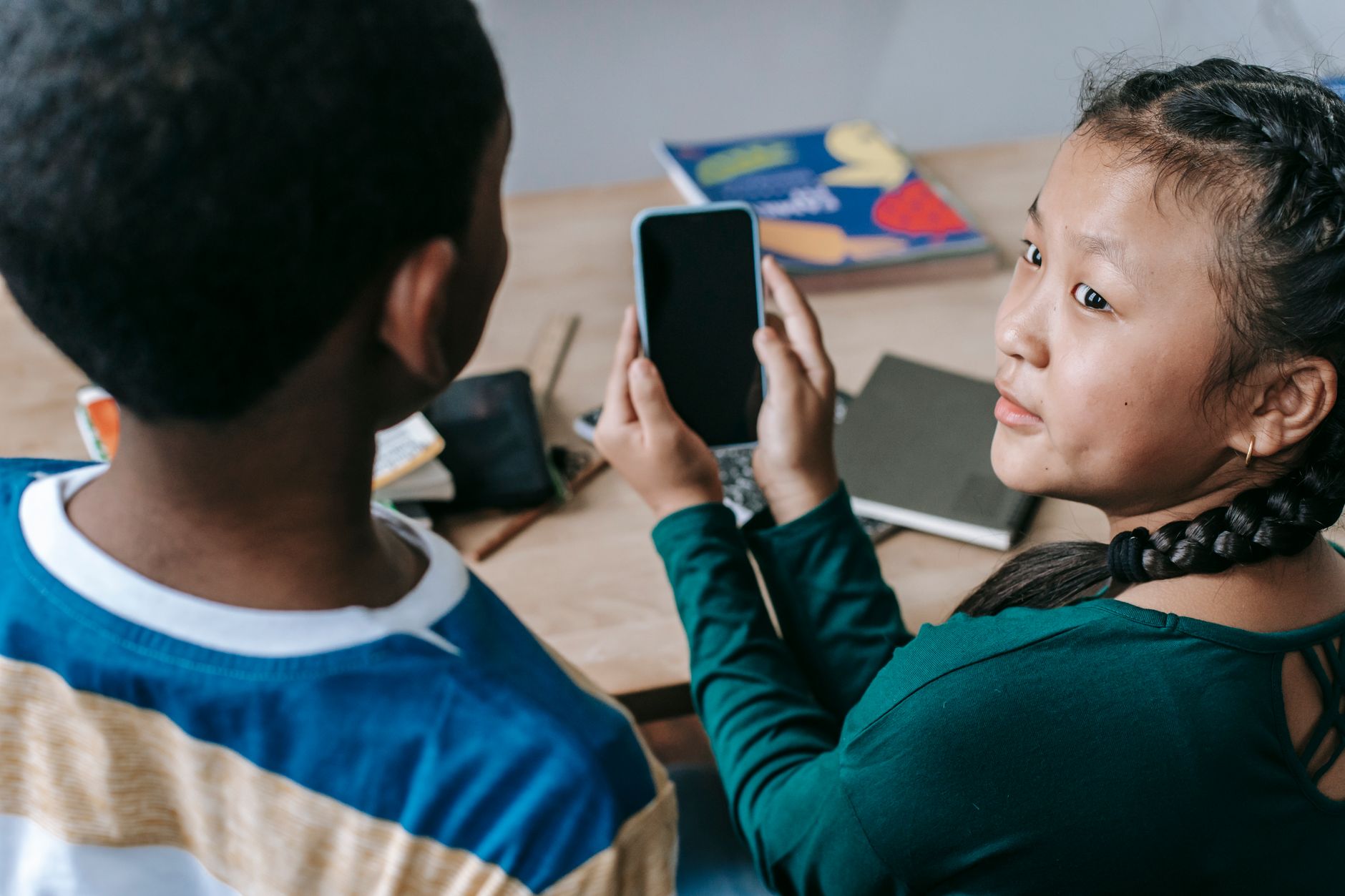
Denver Public Schools adopted a districtwide policy barring students from using personal devices during the school day, including phones, smartwatches, wireless earbuds, tablets and laptops. The policy covers grades ECE through 13, but the district’s public record does not specify when enforcement will begin. The policy document lists July 27, 2026, as its adoption date and says it was approved for public posting at that day’s board meeting.
Before enforcement, each school must tell students and families how devices will be stored and how the policy will be enforced. The record therefore establishes adoption and rollout requirements, not that the ban took effect immediately.
How schools will implement it
During the instructional school day, devices must be turned off and out of sight in school buildings, on campus and on field trips. That includes classes, passing periods, lunch, homeroom or advisory, restroom use and other designated school-day times.
Each principal or designee will select a storage method. Options include backpacks, bags, lockers, secured pouches, caddies, lockboxes and centralized check-in and check-out systems. Schools must communicate their method before it begins and at the start of each school year.
The policy sets escalating consequences:
- First violation: warning and redirection.
- Second violation: possible confiscation, return at day’s end and parent or guardian notification.
- Third violation: the device is held in the main office until a parent or guardian, the student and school meet.
- Further violations: an accountability and support referral, which can include daily check-in, loss of privileges, a behavioral contract, detention or other interventions.
A student cannot be suspended or removed from the regular instructional day solely for possessing or accessing a device in violation of the policy. Other conduct violations can still be handled under separate discipline rules. Confiscated devices cannot be searched under this policy, which says its purpose is to create a device-free school day rather than investigate wrongdoing.
Schools must provide families with at least one reliable way to contact students during the day, ordinarily through the school office. Students must also have a way to reach a parent or guardian when necessary. The policy prohibits personal-device use during emergencies, including active-threat or lockdown situations; official emergency communications will use school and district channels.
Exceptions and background
The ban does not override a device accommodation authorized by a current Individualized Education Program, Section 504 plan, multilingual-learner language need or individual health plan. Prescription smart glasses may be used if powered off and disconnected from a phone or other communication device. Information about exceptions under an IEP, 504 plan or health care plan is limited to staff with a legitimate educational interest, consistent with FERPA.
DPS has attributed the policy’s development in part to Colorado’s HB25-1135. The district created a Communication Devices Advisory Committee to advise the board and said it would review existing school-level device policies, according to the district’s committee materials. The available record supports a distinction between the new uniform district policy and rules schools had previously developed independently; it does not identify one earlier districtwide rule that applied the same way at every campus.
DPS says the policy is intended to create “clear, consistent, and equitable boundaries” that support focused learning, reduce distraction and promote in-person interaction. In a May announcement, the district said it was preparing for July implementation and using a survey and advisory process to shape communications.
The adoption materials do not cite specific test-score, attendance, disciplinary or safety results, or outside studies showing that the ban will improve student outcomes or school safety. Those are stated goals and rationale, not measured results documented in the record.