
Arvada weighs $11.73 monthly utility increase for typical household in 2027
A proposed 2027 rate plan would raise water, wastewater and stormwater bills for a typical residential customer, but the City Council has not approved it and wants more comparisons.
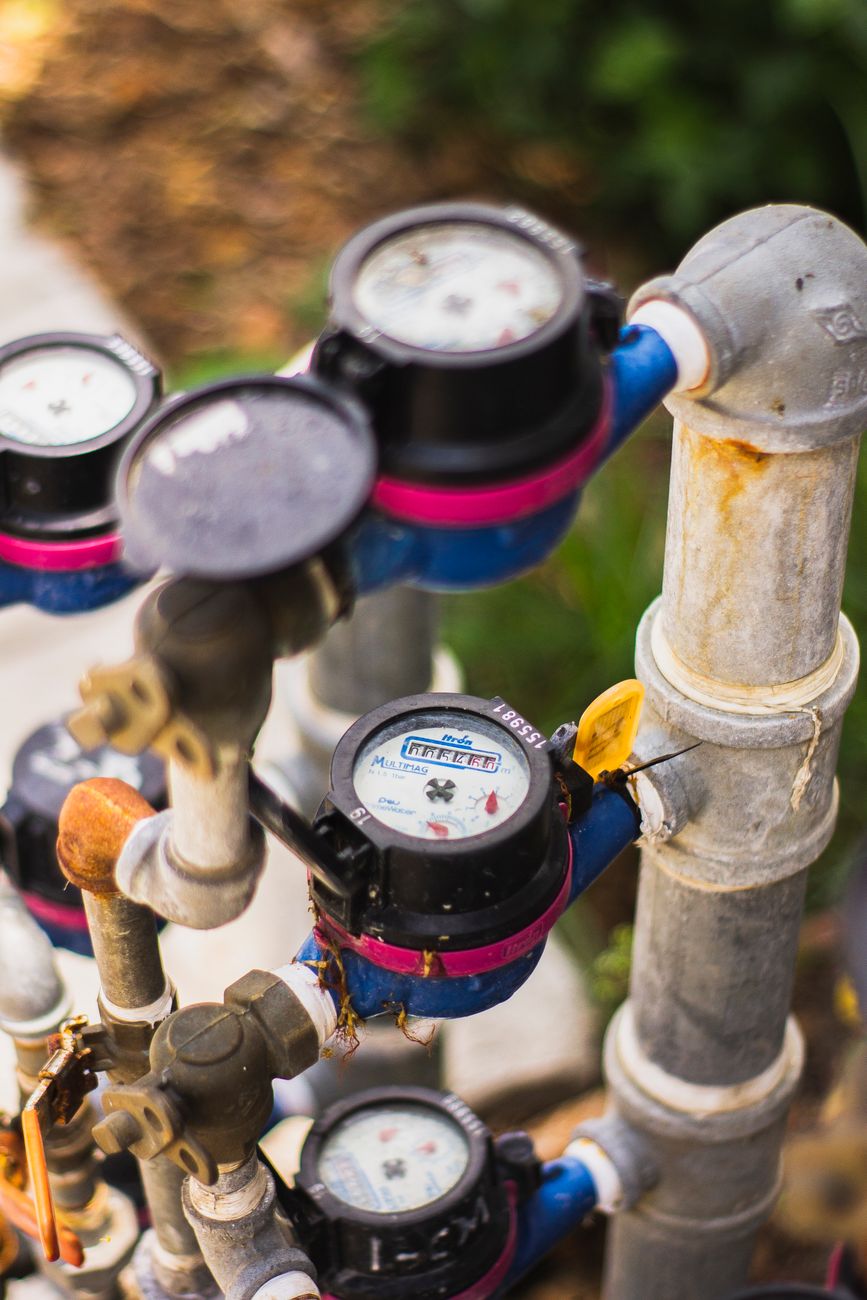
Arvada’s City Council is weighing a proposal that would add $11.73 per month to the 2027 water, wastewater and stormwater bill for a typical residential customer using 90,000 gallons of water a year.
The proposal, presented at a July 28 workshop, would increase that customer’s bill by $5.90 for water, $3.33 for wastewater and $2.50 for stormwater. The council took no final action. The July 28 workshop presentation and discussion were part of the rate-setting process, not an approval.
Proposed schedule and rates
Staff said the proposal is the fourth step in a process that will return to the council for workshops Aug. 25 and in September. Presentations on possible adoption are scheduled for Oct. 6 and Oct. 20. Those dates were still upcoming as of July 30.
If adopted, the changes would begin with 2027 billing. Arvada bills water, sewer and stormwater every two months, and annual rate adjustments take effect with the first bill of the year, the city says.
The proposed changes are:
- Water: a $4 increase in the bi-monthly fixed fee and an 8% increase in the volumetric rate, for a stated total increase of 9.2%.
- Wastewater: a $3 increase in the bi-monthly fixed fee and a 6.25% volumetric increase, for a stated total increase of 8.9%.
- Stormwater: a 35% volumetric increase, averaging $2.50 per month, or $5 per bi-monthly bill, for the typical household.
The plan would increase the share of revenue collected through fixed fees to at least 20% in each utility fund. Staff said fixed fees currently account for 16% of water revenue and 12% of wastewater revenue. The proposal would not change the city’s tiered rate structure.
Projects and unanswered questions
Staff said the recommended plan would fund all projects classified as red, orange or yellow under the city’s utility-prioritization system. The three funds contain 95 projects; 44 were completed or finishing during the quarter and 14 were under construction, staff said.
Staff cited a red water-line project serving two neighborhoods with 85 reported breaks and a critical health care facility, including a dialysis center, on a single water feed. An orange project called the “28 waterline” involved about 50 breaks across two neighborhoods. Yellow projects are proactive replacements for infrastructure nearing the end of its useful life.
Council members asked staff to show what would be funded under plans covering only red projects or red and orange projects. They also requested a comparison with the city’s earlier 10-year rate trajectory, a total household bill rather than just the increase, and more detail on potential Denver Water surcharges.