
Denver police warn vacancies could disrupt records, fleet and evidence work
Officials cited staffing risks in three civilian units, but the briefing did not document service delays caused by the vacancies or provide unit-level overtime comparisons.
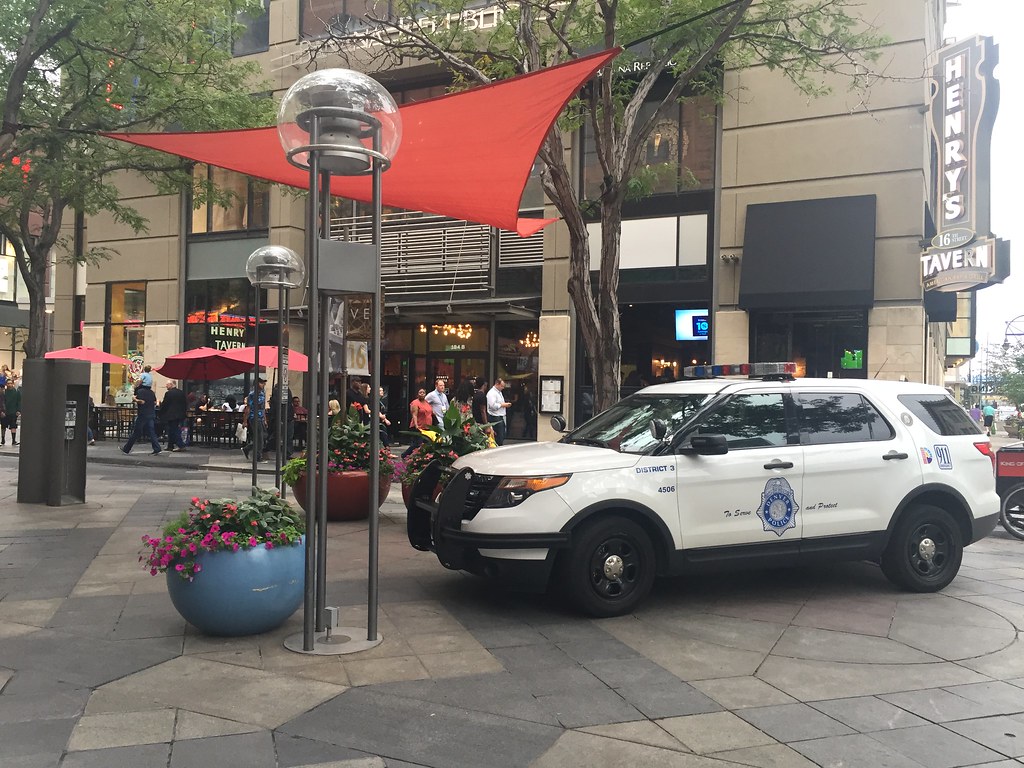
Denver police officials told City Council on Wednesday that vacancies in three civilian units could delay warrant checks, bond releases, reports, missing-person entries and evidence processing, while reducing the number of patrol vehicles available to officers.
The Department of Public Safety briefing to the Health and Safety Committee identified Records/ID as the most severely understaffed unit: 45 positions, 60% filled. Officials said shortages can leave officers waiting two or three hours for identity confirmation, threaten a four-hour warrant-check deadline and leave paper documents about 2½ months behind in scanning. They also warned that missing-person information could miss a six-hour deadline for entry into the national crime database.
Fleet Maintenance was 72% filled, with 26 of 36 positions staffed. Officials said vehicle shortages can force two officers to share a vehicle, reducing coverage because calls are dispatched by unit and affecting response times and proactive patrols. The Crime Lab/Forensics and Evidence Bureau was 81% filled, with 70 of 86 positions staffed. Officials said the laboratory was generally keeping up, while crime-scene and criminalist positions were harder to recruit and retain because of workload, on-call expectations and nights-and-weekends demands.
Budget documents show that some records and evidence vacancies have been managed through the budget process. The adopted 2025 budget says the Police Department planned to hold 11 vacant law-enforcement records technician positions and three vacant property-and-evidence technician positions. The 2026 proposed budget proposed eliminating two vacant positions in each of those classifications, among other vacant jobs.
Chief Thomas said the department works with human-resources and finance officials to identify critical vacancies while considering current and projected overtime. The briefing did not provide overtime dollars or hours for the three units, comparisons with prior years or a deadline for follow-up information requested by a council member.
The officials described operational risks and backlogs, not independently measured delays attributable to the vacancies. The records reviewed did not establish that a specific release, warrant check, missing-person entry, court deadline or evidence result had already been delayed. Denver County Court says its Bonding & Warrants division processes more than 25,000 new bonds and about 45,000 active warrants and protection orders annually, providing context for the potential impact of records-workload problems.