
Denver voters may decide changes to police, fire hiring and Civil Service rules
A proposed charter amendment would revise Civil Service Commission powers and police and fire personnel rules; related legislation leaves costs and staffing effects unquantified.
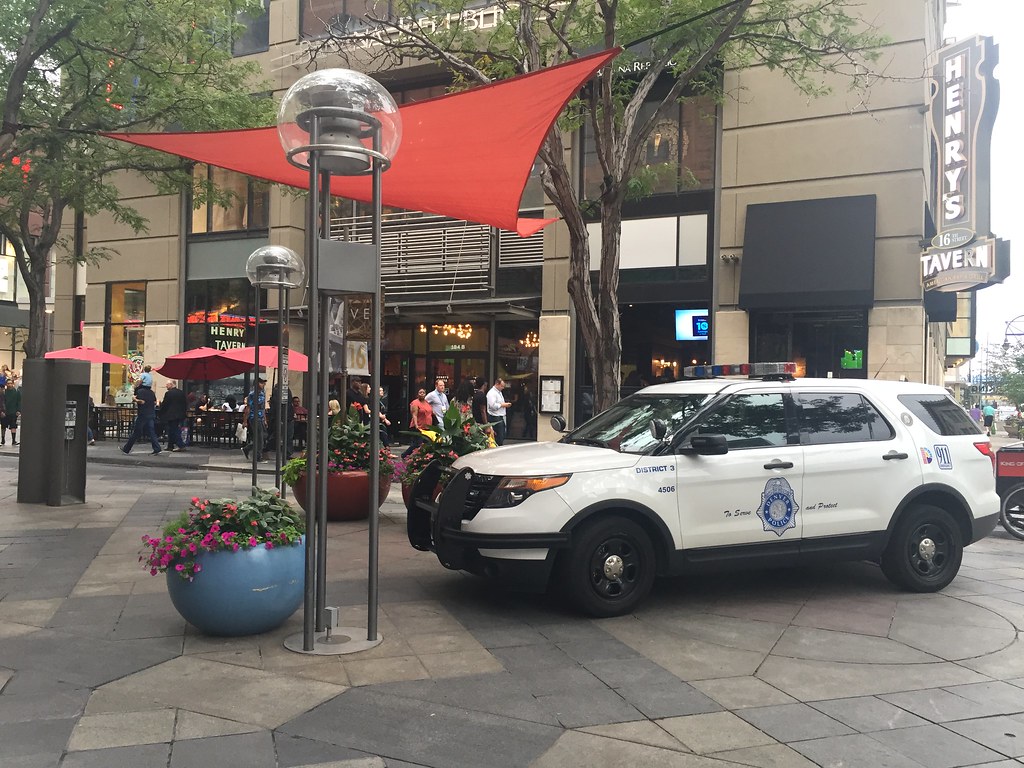
Denver voters are scheduled to consider a charter amendment Nov. 3 that would revise the Civil Service Commission and personnel rules for the city’s police and fire departments.
The proposed ballot language in Council Bill 26-1048 would remove outdated charter language, allow City Council to add commission duties by ordinance and permit probation extensions after medical, military or other approved leave. The bill passed City Council Aug. 10 and Mayor Mike Johnston approved it Aug. 12, but it does not yet include a final referred-question number.
The amendment would retain a five-member commission: two members appointed by the mayor, two by City Council and one nominated by the mayor and appointed by Council. It would require annual city appropriations for the commission and authorize investigations, subpoenas and additional duties assigned by ordinance.
It also would create separate eligibility registers for cadets, certified peace officers, reserve officers and promotional candidates. Probation could be extended by up to six months after an approved leave of at least 30 days. Probationary employees could still be dismissed without cause and without an appeal.
A companion measure, Council Bill 26-1055, would amend the municipal code if voters approve the charter change. It would establish procedures for independent Civil Service Commission hearing officers and allow some experienced police recruits to begin at higher pay grades.
Under the proposed code, a currently certified peace officer or equivalent out-of-state officer with at least two years of qualifying experience could, at the police chief’s discretion, enter the Denver Police Academy at Police Officer 2nd-grade pay. An applicant with at least four years of qualifying experience could begin at 1st-grade pay. A two-year-experience recruit who completes the academy and remains employed for nine months would advance to 1st-grade status at the start of the next pay period.
Hearing officers would be independent contractors rather than city employees. The commission would compile a list of at least seven qualified candidates when possible. The Manager of Safety and one representative each for the firefighter and police bargaining agents could strike up to one-third of the names and rank the rest. The commission would contract with candidates approved through both lists, repeating the process at least every three years.
The records do not identify the bargaining organizations or document whether either group supports or opposes the measures. They also do not specify the required annual appropriation or quantify staffing, workload, contracting or accelerated-pay costs.
The Denver Elections Division lists Nov. 3, 2026, as the special-election date. The final certified ballot booklet and question number were not available in the records reviewed.