
Englewood council to weigh Flock renewal against cheaper Axon license-plate reader options
The council is scheduled to discuss two lower-cost Axon configurations Monday, but the agenda does not identify a formal vote or final decision.
Englewood City Council is scheduled Monday to consider whether to continue its $64,500-a-year Flock Safety license-plate-reader system or pursue one of two less expensive Axon alternatives. The Aug. 24 special-meeting agenda lists the 7 p.m. discussion as “Information and Direction,” with no formal vote identified.
Police Chief Dave Jackson and Deputy Police Chief Vance Fender are scheduled to present the comparison. The council could direct staff to keep Flock, investigate a replacement or return with a contract proposal, but any action remains pending as of Aug. 22.
Flock’s contract automatically renewed July 20 for $64,500 annually. The city can cancel it at any time, according to the presentation. The package includes 10 stationary cameras, two flexible cameras, a mobile camera trailer and an advanced search feature.
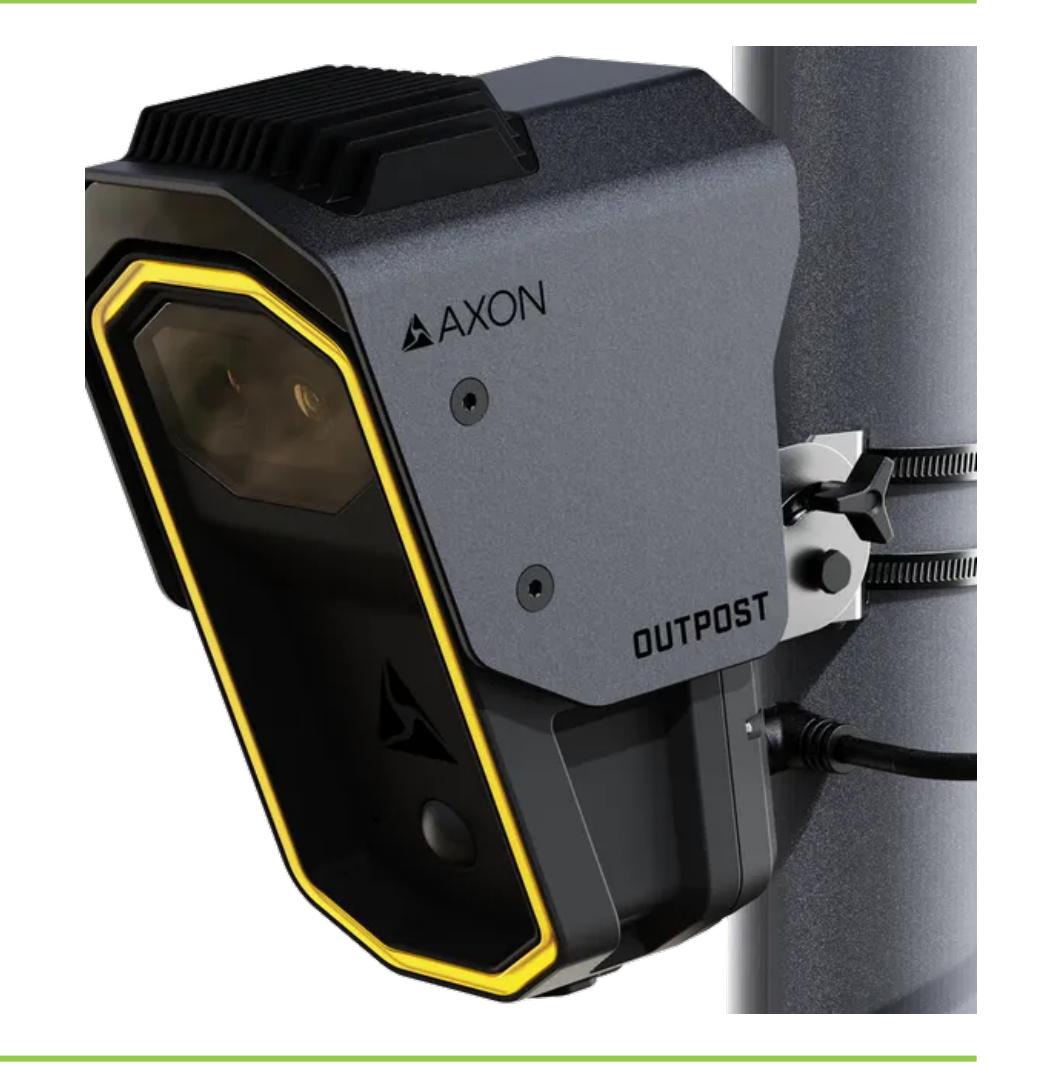
The lower-priced Axon configuration is estimated at $43,273.61 annually, or $21,226.39 less than Flock. It would include 10 Outpost stationary cameras, two Lightpost flexible cameras and a trailer. A second configuration, with 10 flexible cameras and two stationary cameras, is estimated at $56,907.13 annually, or $7,592.87 less than Flock.
Both Axon figures are rough-order-of-magnitude, nonbinding estimates rather than contract offers. Installation and implementation would take about four to six weeks if the council directs a switch, the presentation says.
Different approaches to access and sharing
The choice is also about data control and sharing. Staff described Flock as a shared, network-based system and Axon as an agency-controlled alternative.
Under Englewood’s public Flock transparency rules, the Police Department owns the data, which may be used only for official law-enforcement purposes and is not sold to third parties. Ordinary data is automatically deleted after 30 days unless preserved as evidence in an active investigation.
Authorized employees receive role-based access, and searches require an offense type, reason and case number. The city says searches are logged, and sharing requests require approval from a division chief. Colorado agencies may search Englewood images if they provide a reason; out-of-state agencies require individual approval. Federal agencies do not have direct access, according to the city.
Staff described the proposed Axon system as using invite-only sharing that would be explicit, visible and revocable. The presentation says Axon would not have a nationwide lookup feature, would allow the agency to configure retention and would maintain immutable audit logs. Axon’s Vehicle Intelligence materials describe agency-controlled data and partner-agency access that can be limited and revoked.
Those terms are not an executed Englewood contract. The presentation says some Axon cross-agency sharing capabilities were planned for the third quarter of 2026, and the estimates are nonbinding. The packet does not include a signed replacement agreement with enforceable retention, access or data-sharing clauses.
What the record shows about results and safeguards
Englewood already uses Axon Fleet 3 mobile license-plate-reading cameras in marked patrol cars. Monday’s discussion concerns stationary cameras and a trailer, not that existing mobile-camera program.
The presentation says ALPR technology has helped with suspect identification, evidence collection, case resolution and prosecution, including “swift suspect identification and arrest” in Englewood case examples. But it does not identify those cases or provide incident numbers, dates, arrest totals or charging outcomes. It also does not provide city-specific totals for plate reads, alerts, confirmed hits, searches or stolen-vehicle recoveries.
Police staff identified risks including false alerts caused by poor lighting, weather, damaged plates or misreads. Officers are expected to verify an alert before taking enforcement action. The available records do not document a specific Englewood false alert, wrongful stop, ALPR-related complaint, internal-affairs finding or independent audit.
Englewood’s stated safeguards prohibit using the system for civil-immigration enforcement, harassment, personal use or targeting based solely on protected characteristics. The policy also limits tracking vehicles connected to health care facilities or First Amendment-protected activity unless there is a clearly articulated connection to Colorado criminal activity. The city says the system reads plates and vehicle characteristics, not faces, race, ethnicity or gender.
The Aug. 24 discussion is therefore a pending policy and procurement choice, not a completed switch. The agenda and available official records do not establish whether council members will take a formal vote, and no subsequent cancellation or Axon authorization has been documented in the reporting record reviewed.