
Denver committee approves $44.9 million rehabilitation of DIA deicing-waste pond
The project will upgrade Denver International Airport’s aging system for collecting and treating aircraft deicing waste; calendar construction dates and an operations-impact plan remain unavailable.
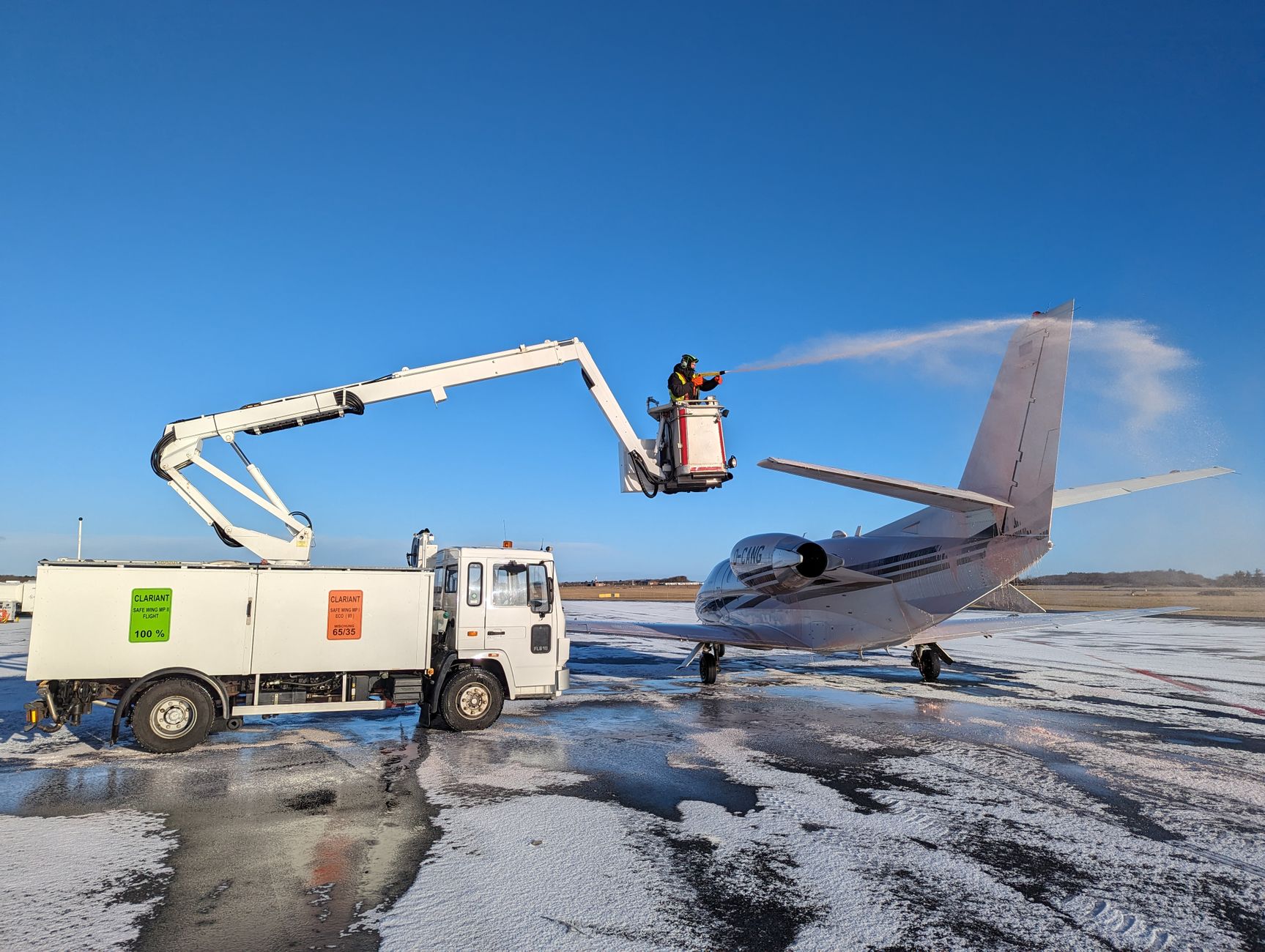
Denver’s Transportation and Infrastructure Committee approved a $44.9 million contract Wednesday to rehabilitate a deicing-waste pond at Denver International Airport, a project intended to reduce the risk of releases and keep the airport’s treatment system operating during winter weather.
The committee approved a $44,926,753.46 contract with WW Clyde & Co. for the Deicing Industrial Waste Pond 009 Rehabilitation project, according to the Sept. 2 committee minutes. The contract calls for 457 consecutive calendar days of construction after a notice to proceed, under project identifier PLANE-202683151.
The project is part of Denver’s West Airfield Diversion System, which collects, stores and treats aircraft-deicing-fluid waste from portions of the airport’s airfield and runway drainage system. In the project request, Denver says the system has operated for more than 20 years without a formal preventive-maintenance program and that many components have reached the end of their service lives.
The rehabilitation is intended to increase waste-storage and discharge capacity, reduce the risk of deicing waste reaching receiving waters and expand recycling of the glycol used in aircraft deicing, according to Denver’s project documents.
Planned work includes replacing pond liners, ballast tubes, concrete surfaces, pumps, valves, gates, meters and control systems. The project also calls for regrading and expanding one pond cell, reconstructing a wet well, installing a new 2-million-gallon glycol-recycling tank and building about 5,000 feet of discharge line to Metro Wastewater.
The project includes secondary power and battery backup for the treatment system. Planned upgrades to laboratory and support facilities include a decontamination shower, roofing and concrete repairs. Denver says the improvements are needed so the airport and its airline partners can continue operating during winter weather while complying with environmental regulations.
The records do not provide a notice-to-proceed date or calendar dates for mobilization and completion. They also do not include a construction phasing plan, airfield-access plan or specific information about closures, detours or effects on passengers and airline operations. The project’s stated goal of maintaining winter operations does not establish that construction will have no operational impacts.
The listed funding sources are the Federal Aviation Administration’s Airport Improvement Program and Denver International Airport’s Capital Improvement Plan. The documents do not specify how much each source will contribute or identify a separate local match.