
Arapahoe County draft sets 30-day wireless review clock, conflicts with 60-day language
Proposed rules distinguish a 30-day review for eligible upgrades from federal 90- and 150-day shot clocks, but county materials still cite a 60-day period. Commissioners have not taken final action.
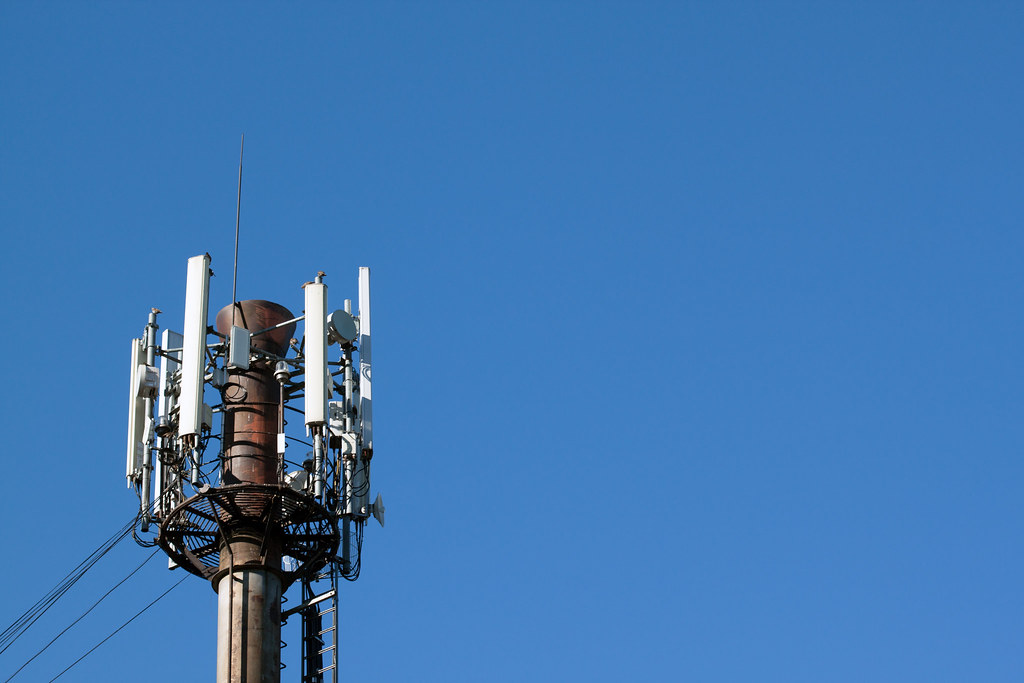
Arapahoe County’s draft wireless-facility procedures would create a 30-day administrative review clock for certain upgrades, while other applications would follow federal 90-day or 150-day shot clocks. County commissioners have not taken final action, and no effective date has been established.
Case LDC26-002 would amend the county’s Development Application Manual, replace the older Commercial Mobile Radio Service terminology and create separate review tracks for eligible and non-eligible requests. Staff and the Planning Commission recommended approval; the commission voted 6-0 after a July 7 public hearing.
The county commissioners’ Sept. 8 meeting materials list approval, denial or continuance as options, but the official Legistar case record does not establish a final vote.
Conflicting review timelines
For private-property facilities, the draft describes an Eligible Facility Request process for qualifying modifications to existing towers or base stations under Section 6409 of the federal Spectrum Act and Federal Communications Commission rules.
The clean and redline drafts say the 30-day clock begins when the county receives an eligible-facility application. The clock pauses when staff requests more information, resumes after an acceptable resubmittal and ends when the county issues a determination letter.
That language conflicts with the staff presentation’s description of a 60-day decision period for eligible requests. The existing county code and federal rule cited in the staff materials also describe a 60-day period, subject to tolling and other requirements. The supplied records do not resolve whether the 30-day language would replace that period or is a drafting error.
Applications that do not qualify as eligible facility requests would use a separate private-property process. The draft identifies federal shot clocks of 90 days for collocation applications and 150 days for other siting applications. Those timelines are distinct from both the draft’s 30-day clock and the 60-day language.
Separate right-of-way process and fees
Private-property applications would require materials including project narratives, site plans, existing and proposed elevations, screening and landscaping information, documentation addressing FCC substantial-change thresholds and information about the facility’s original approval.
Facilities in the public right-of-way would follow a separate procedure through Chapter 14 of the county’s Infrastructure Design and Construction Standards and Engineering Services. Applications may cover up to five locations and must include materials such as a license agreement, engineering plans for county-owned structures, a clear-zone analysis and Chapter 14 plan sets. The draft does not assign those applications a 30-, 60-, 90- or 150-day clock.
The proposed fee for an eligible-facility determination letter is $645. Staff based that amount on an estimated five hours of work—four hours by a planner at $133.17 per hour and one hour by a planning technician at $112.94. The calculated cost was $645.62, which staff recommended rounding to $645, according to the board summary and staff materials.
The updated fee schedule lists the proposed $645 eligible-facility fee and a $1,500 fee for other wireless-facility applications on private property and in the county right-of-way. County materials estimate 10 to 15 eligible-facility applications annually.
The records reviewed do not establish whether commissioners approved, changed or continued the amendment or fee, or set an effective date.