
Littleton adopts 25-mph default speed limit, backs Elati retrofit
The council approved the speed-limit change and directed staff to continue developing a lower-cost Elati Street design, but did not formally vote on the corridor plan.
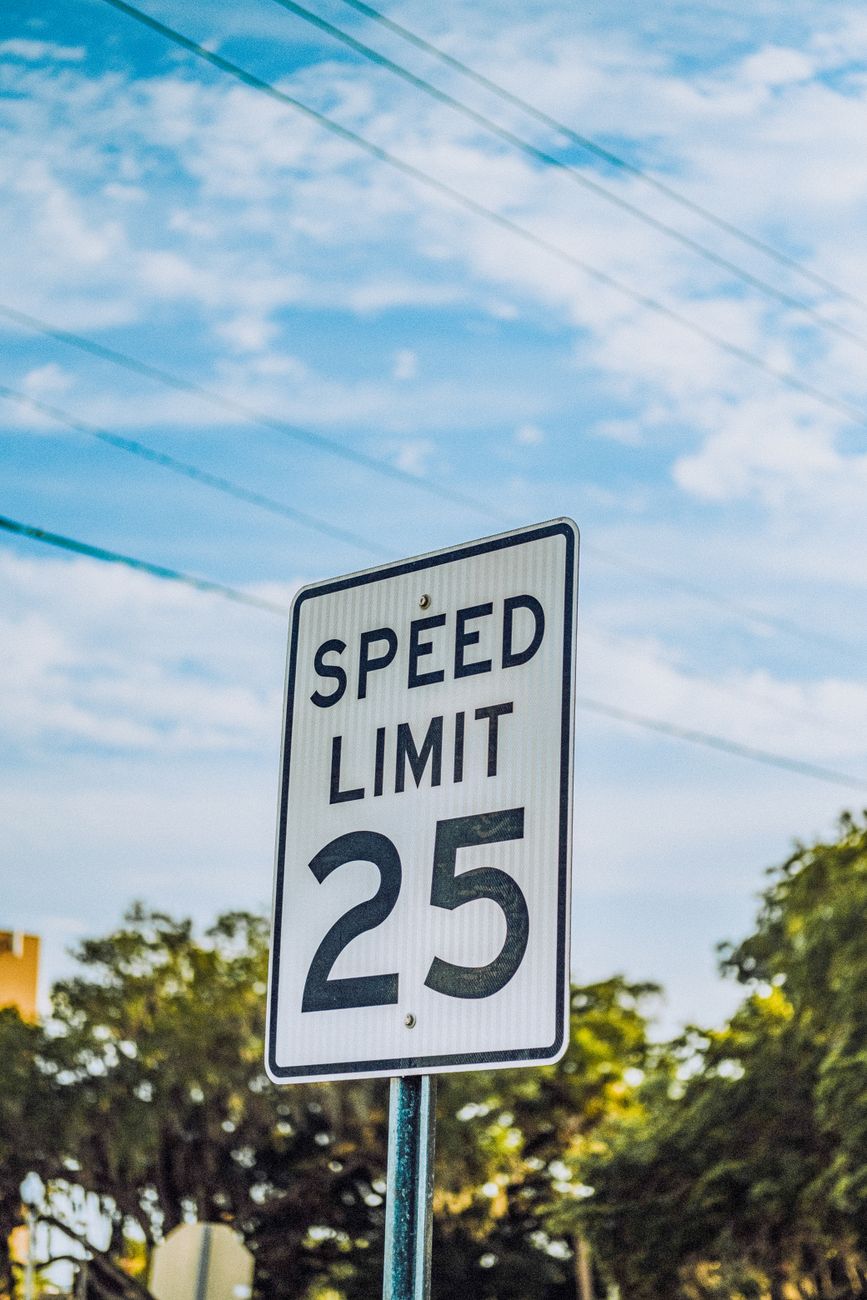
Littleton City Council unanimously approved Ordinance 17-2026 on Sept. 1, lowering the default speed limit on city streets from 30 mph to 25 mph unless otherwise posted. The council also directed staff to continue developing Option B for an Elati Street corridor retrofit, but did not formally vote on that plan.
The ordinance sets a 15-mph limit for alleys and allows existing posted speed limits to remain in effect. The clerk recorded seven votes in favor after a second-reading public hearing. The available record does not state when the ordinance takes effect or when signage and enforcement changes would begin. The proposal’s earlier status was covered in the Aug. 18 council materials.
For Elati Street, staff recommended Option B, which combines traffic calming with a near-term retrofit creating a 10- to 12-foot-wide protected, non-vehicular shared space along the west side of the street. Vertical-buffer materials would separate it from vehicle lanes, while parking would be consolidated on the east side. Staff estimated that about 67% of existing on-street parking would remain, with impacts concentrated in some areas. Additional outreach to property owners is planned.
The Sept. 1 council packet describes three concepts. Option A, traffic calming without the shared space, is estimated at about $480,000. Possible elements include speed cushions, raised crossings and intersections, rectangular rapid-flashing beacons, bulb-outs and changes to traffic circles. Option B adds the shared space; the packet gives estimates ranging from $560,000 to $1.112 million in one staff document and $639,000 to $1.112 million in an accompanying presentation. Option C, a full reconstruction, is estimated at roughly $14.6 million.
Staff recommended Option B to advance the city’s longer-term shared-path vision while coordinating construction with a planned 2028 pavement project. Design work is expected in 2027. One council member preferred Option A, but the meeting record shows no motion, roll-call vote or formal adoption of either corridor alternative.
Residents raised concerns about sidewalks, narrowed vehicle lanes, parking, roundabouts, traffic-calming devices, snow removal, visual impacts, property boundaries, landscaping, taxpayer costs and emergency-vehicle access. Other speakers supported traffic calming or protected walking and bicycling space.
The packet does not provide traffic counts, measured speeds, crash totals or severity data, emergency-response times, or a fire-truck turning analysis for Elati Street. Staff said the alternatives were evaluated using a quantitative assessment informed by Littleton’s experience and guidance from federal and transportation organizations, along with qualitative judgments about master-plan goals, available right of way, community and agency support, and design constraints.
A written commenter asserted that crashes were concentrated at intersections and questioned the project’s survey methodology, but those claims were not independently documented in the packet. The city’s broader speed-limit study remains underway, and council members may consider a 20-mph default limit after its completion, according to the meeting discussion.