
Englewood council votes to end Flock camera contract, rejects Axon replacement
The 6-0 termination vote affects 12 stationary cameras; a 3-3 vote rejected a five-year Axon proposal, while removal costs and retention rules remain unsettled.
Published at
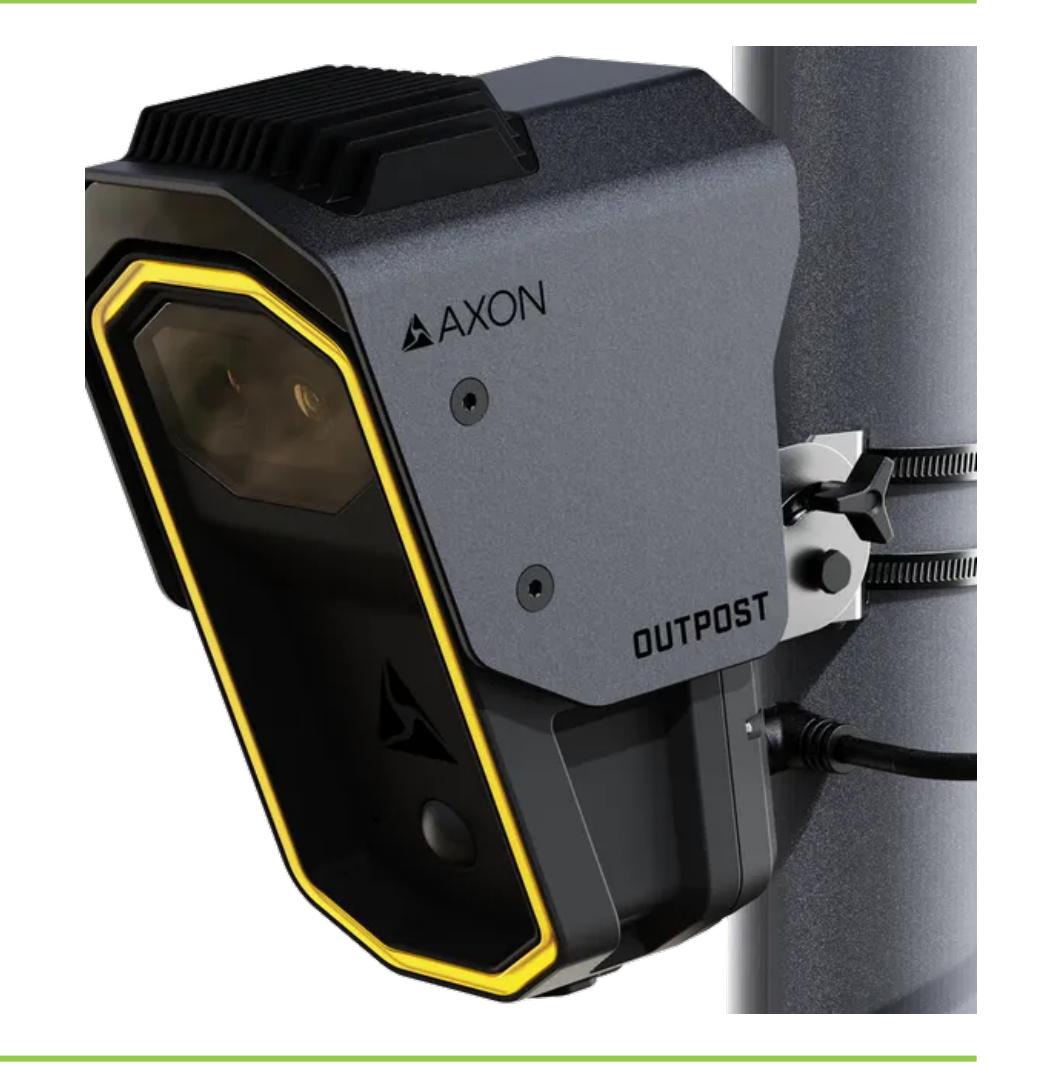
Englewood City Council voted 6-0 on Sept. 8 to terminate the city’s contract for 12 Flock Safety automated license-plate-reader cameras. The council also rejected a proposed five-year replacement system from Axon on a 3-3 vote.
The decisions leave the city without an approved replacement for its stationary camera network. The action came during the council’s Sept. 8 meeting.
City Attorney Niles said the Flock contract could require a $27,500 annual service fee and a $500 removal charge for each camera, or $6,000 for all 12 cameras. She said the Police Department was negotiating to reduce the costs. The council did not set a removal date.
Niles also said she did not believe the contract required a removal deadline. She told the council that the city could remove and store the equipment itself if officials believed cameras left in place were still capturing data. She said Flock would no longer legally be able to capture data from cameras installed in Englewood after the contract ends, but the council did not establish a final termination payment or settlement.
What remains in use
Englewood’s Axon Fleet 3 automated license-plate readers in marked patrol cars remain in use. Deputy Police Chief Vance Fender said non-hot-list reads from those mobile cameras are set to zero-day retention.
The rejected Axon proposal would have cost about $42,034 annually and included 12 stationary cameras and a mobile trailer, police said. Police officials said the system would have stored data in an Englewood-controlled environment, limited sharing to invited agencies and maintained audit logs. They also said it would not have included nationwide lookup or automatic sharing.
Council members who opposed the proposal cited privacy and legal concerns about collecting information on people not accused of crimes. Councilmember Russell called the system too invasive, while Councilmember Bethel questioned whether an expanding network of license-plate readers could approach legal limits on government observation and unreasonable searches. Councilmember Somerson questioned whether the cameras were effective enough to justify the expense.
The city’s published Flock transparency rules say ordinary data is deleted after 30 days unless preserved as evidence in an active investigation. Police said they were willing to reduce non-case-related retention to 14 days, while a Colorado Association of Chiefs of Police working group was considering 21 days. The council adopted neither change.
The city’s Aug. 24 council packet said the prior Flock agreement had automatically renewed July 20 and could be canceled at any time.