
RTD internal audit rates service-development work “Needs Improvement”
The review found weaknesses in service planning, records, performance monitoring, passenger-counter coverage and fatigue controls. RTD reported 57 open management action plans, 31 past due.
Published at
An internal audit rated the Regional Transportation District’s service-development work “Needs Improvement,” identifying one high-priority and eight moderate-priority observations involving service planning, records, performance monitoring, passenger-counting data and fatigue-management controls.
The findings appear in the RTD Audit Committee packet, which also reports that the agency had 57 open management action plans as of Aug. 31, including 31 past due. Seven were classified as high priority.
The audit covered service-development operations during periods in 2023 and 2024, with fieldwork from September 2024 through February 2025.
Planning and performance controls
The audit’s high-priority observation concerned RTD’s service standards. Auditors said the standards had not been reviewed as required, lacked documentation showing regular updates using current ridership, revenue and cost data, and had not been shown to be used consistently in recent service-change evaluations.
Moderate-priority observations included outdated or incomplete service-planning procedures, evaluation of underperforming service, incomplete implementation of recommendations from a 2022 assessment, retention of service-change records, passenger-data collection, on-time-performance goals, fatigue management and former employees’ access to the RideCheck Plus system.
RTD’s Transit Service Policies and Standards had not been updated since 2016 as of December 2024, the audit said. The agency also lacked formal procedures for some service changes, operating schedules and “runcutting,” the process of assigning work to scheduled service.
During the reviewed periods, bus on-time performance averaged below RTD’s 82% goal in six months of 2023 and 11 months of 2024. Most light-rail services missed the agency’s 92% target during reviewed periods from May through December of both years. Four sampled rail runboards had average results ranging from 36.54% to 91.22%.
The audit said RTD had not developed documented methods for monitoring unreliable service, identifying its causes or correcting it. A related management action plan cited operator recruitment as one step toward improving performance, but did not report the corrective action complete.
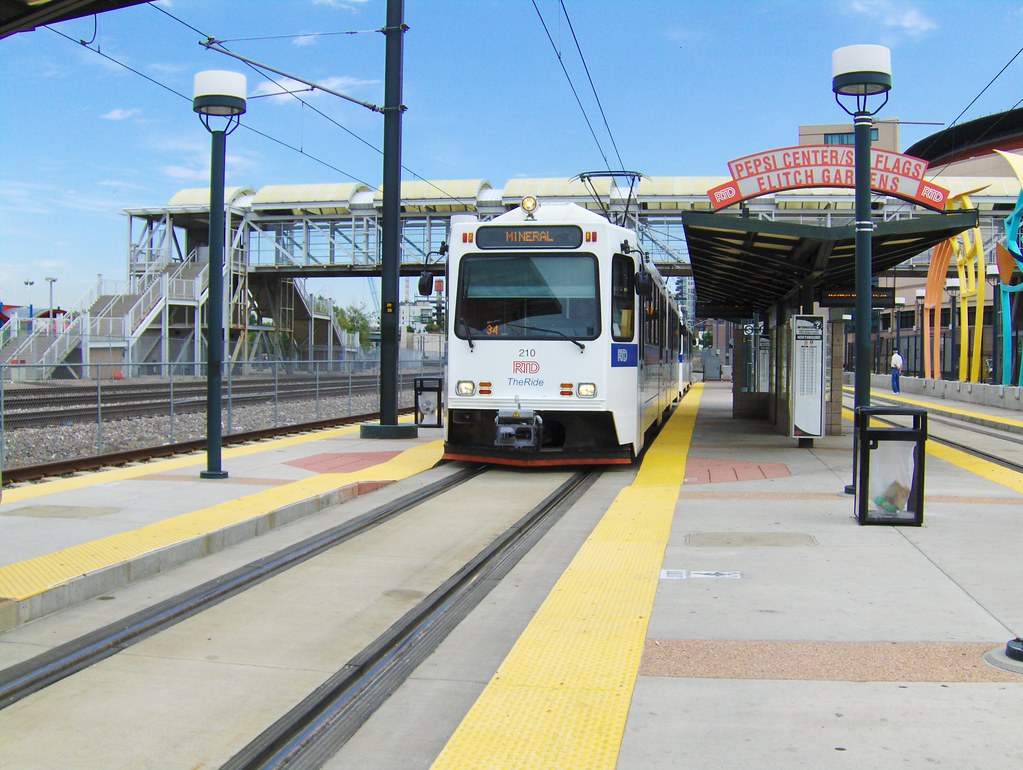
Automatic passenger counters had been installed in 135 light-rail vehicles, or 67% of RTD’s light-rail fleet. The audit attributed the incomplete installation to budget constraints and said Rail Operations would evaluate installing counters in the remaining vehicles.
Corrective actions
The audit reported that corrective actions for fatigue management and former-employee access were fully implemented when the report was issued. The fatigue observation involved bus-operator training, the absence of a comprehensive agencywide fatigue-management program and missing supervisor sign-offs for three operators’ work hours. The RideCheck Plus observation involved about 58 former employees who still had read-only access as of March 2025.
The packet did not document completion of the other seven audit corrective actions. They include updates to service-planning policies, a process for evaluating underperforming routes, implementation of earlier assessment recommendations, expanded passenger-counter coverage and documented on-time-performance monitoring. Internal Audit said it was still seeking evidence from responsible departments to confirm the actions.
Management said it was developing a formal log to retain evidence used in service-change evaluations, with a target completion date of Sept. 30, 2026.