
Arapahoe County proposes tighter groundwater reviews for new development
The proposed water-supply plan would apply modeled groundwater factors, require earlier water-availability checks and steer new urban growth toward renewable supplies.
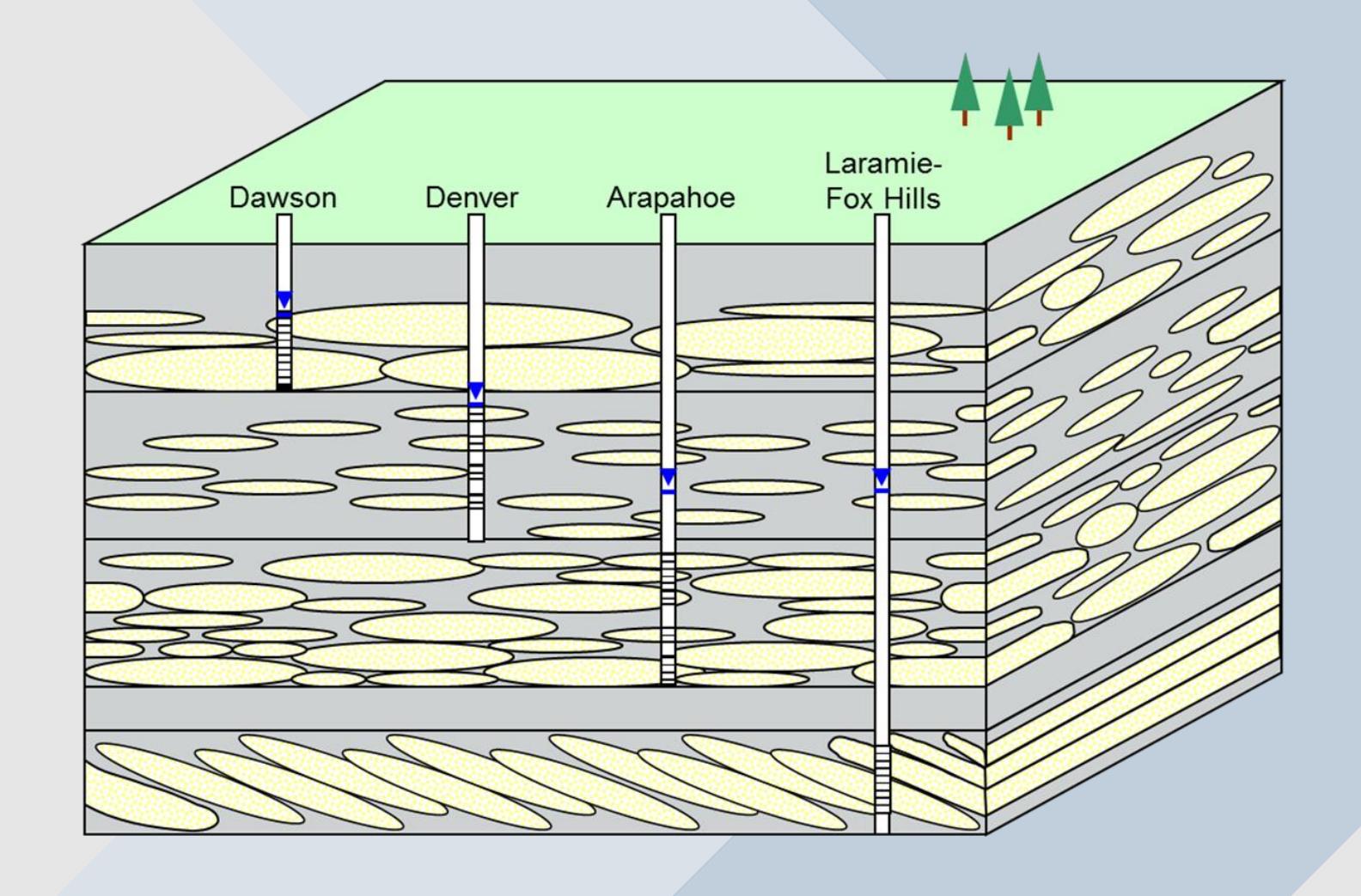
Arapahoe County is proposing a new water-supply chapter for its comprehensive plan that would apply aquifer-specific groundwater factors, require earlier proof of water availability for development projects and steer new urban growth toward renewable supplies.
The proposed Water Supply Element would amend the county’s 2018 Comprehensive Plan as Colorado’s Dec. 31, 2026, deadline approaches for counties to add water-supply planning under Senate Bill 24-174. The draft chapter has not been adopted. The Board of County Commissioners is scheduled to review it Sept. 21 during an informational study session, not a vote.
The draft would apply production factors to the state’s 100-year groundwater calculation when reviewing development that relies on Denver Basin aquifers. The proposed factors are 0.60 for the Denver aquifer, 0.42 for the Upper Arapahoe, 0.27 for the Lower Arapahoe and 0.71 for the Laramie-Fox Hills aquifer. The factors are intended to reflect modeled physical production rather than only the amount of groundwater allocated under state rules.
The plan would also require applicants to document water availability and fire-flow capacity earlier in development review. Proposed tools include a standardized water-supply checklist, documentation from water providers, progress reports for later development phases and demand-management information in site and building plans. The draft would favor connections to existing public water providers where feasible and discourage isolated well systems and new rural water districts in designated rural areas.
For new urban development, the draft calls for a transition toward permanent renewable water supplies “to the extent permitted by Colorado law.” It would generally reserve decreed groundwater for drought or emergency conditions when surface or renewable sources are compromised. The draft also says later phases of Prosper Farms would need to document additional renewable supplies before moving forward.
The policies draw on the county’s 2024 water-supply study, which modeled growth through 2050. The study projects roughly 900,000 to 960,000 residents and 532,000 to 595,000 jobs by 2050, compared with more than 656,000 residents in the county today. Depending on the accounting scope and growth scenario, it projects annual 2050 demand of about 101,500 to 108,500 acre-feet after conservation measures. A broader provider comparison lists about 195,000 acre-feet per year of developed supply.
The countywide projections show supply exceeding projected demand, but the study identifies localized risks. Englewood and Inverness Water and Sanitation District could face gaps under high-growth assumptions. The study identifies conservation, additional contracts and regional partnerships as possible responses. In rural areas without centralized provider service, residents would continue to rely heavily on individual wells or future infrastructure extensions. The study estimates that physically available Denver Basin groundwater is about 60% of the amount calculated under state allocation rules and warns that declining artesian pressure and the cost of accessing deeper aquifers could affect reliability and development costs.