
Denver approves downtown authority expansion to Union Station, parks and private parcels
The expansion adds Union Station, Civic Center Park, Skyline Park, rights-of-way and private downtown properties to the authority’s district, without imposing a new tax now.
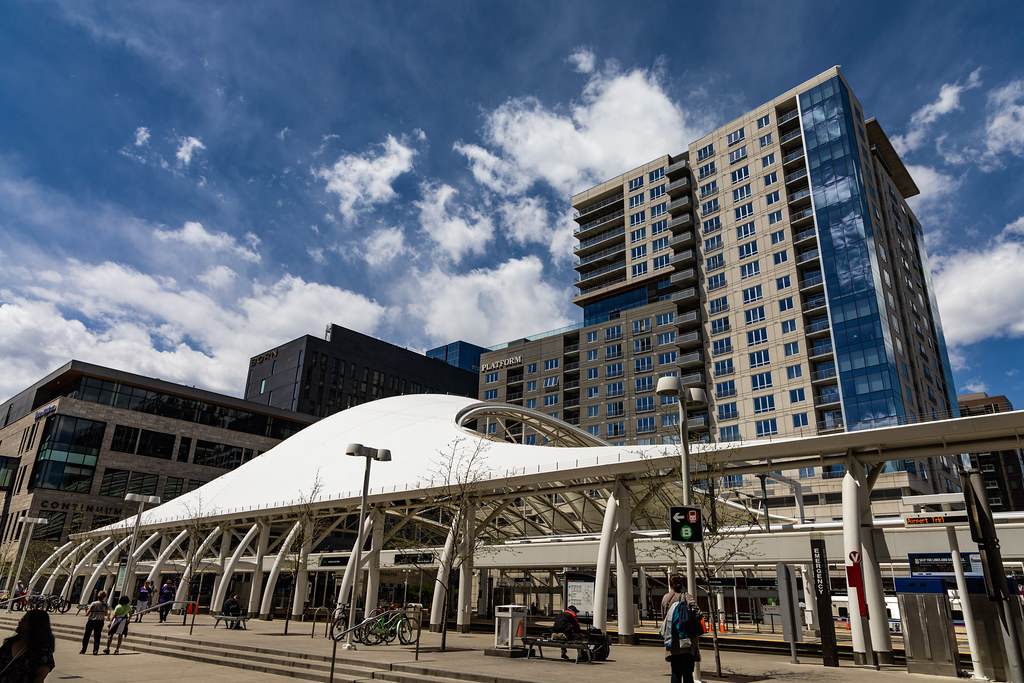
Denver City Council approved an expansion of the Denver Downtown Development Authority’s district to include Denver Union Station, downtown parks, public rights-of-way and dozens of public and private property interests. Mayor Mike Johnston approved the ordinance Sept. 17.
The approved ordinance amends the authority’s 2008 creation ordinance. It does not impose a new tax, assessment or fee. Instead, the added properties become eligible for future authority financing and improvement plans and could be subject to taxes the city later imposes for the authority’s use and benefit.
The amended boundary includes Union Station and related parcels, Market Street Station, Civic Center Park, the McNichols Building, Skyline Park and the Denver Post Building. It also covers portions of downtown streets and rights-of-way, air rights, subsurface and tunnel interests, parking-garage interests and building encroachments.
Private properties named in the ordinance include parcels on or near 16th Street, Glenarm Place, Blake Street and 17th Street. The DDDA petition and board-resolution records identify petitioners for four later additions: 910 Associates Inc. for 900 16th Street; Urban–1530 16th Street LLC for 1530 16th Street; ANB Bank for Unit 100 at 444 17th Street; and the city for the Denver Post Building property at 101 W. Colfax Avenue.
The expansion allows future tax-increment financing within the larger district. Under the authority’s amended plan of development, increases in property-tax and municipal-sales-tax revenue above established base levels could be directed into a special fund for eligible development projects. The plan says the mechanism does not increase tax rates; it captures a portion of future incremental revenue.
Colorado law separately allows a downtown development authority to levy up to five mills on real and personal property within its district and provides an assessment mechanism. The ordinance sets no tax rate, projected revenue or assessment amount. Any levy, assessment, project award or tax-increment allocation would require later action.
The plan identifies potential investments in development and adaptive reuse, housing, parks and public spaces, arts and culture, streetscapes, biking and transit. Inclusion in the district does not guarantee that a property will receive authority funding or that a project will be approved.
The boundary change follows DDDA board resolutions approving petitions in 2025 and 2026. It gives the authority a broader geographic base for future projects and potential tax financing, while leaving specific funding and taxing decisions for later proceedings.