
Littleton analysis estimates Geneva Village redevelopment gaps up to $35 million
Hypothetical housing and mixed-use examples show gaps of up to $4 million, while a hotel example shows about $35 million; the figures are not selected plans or funding commitments.
Published at
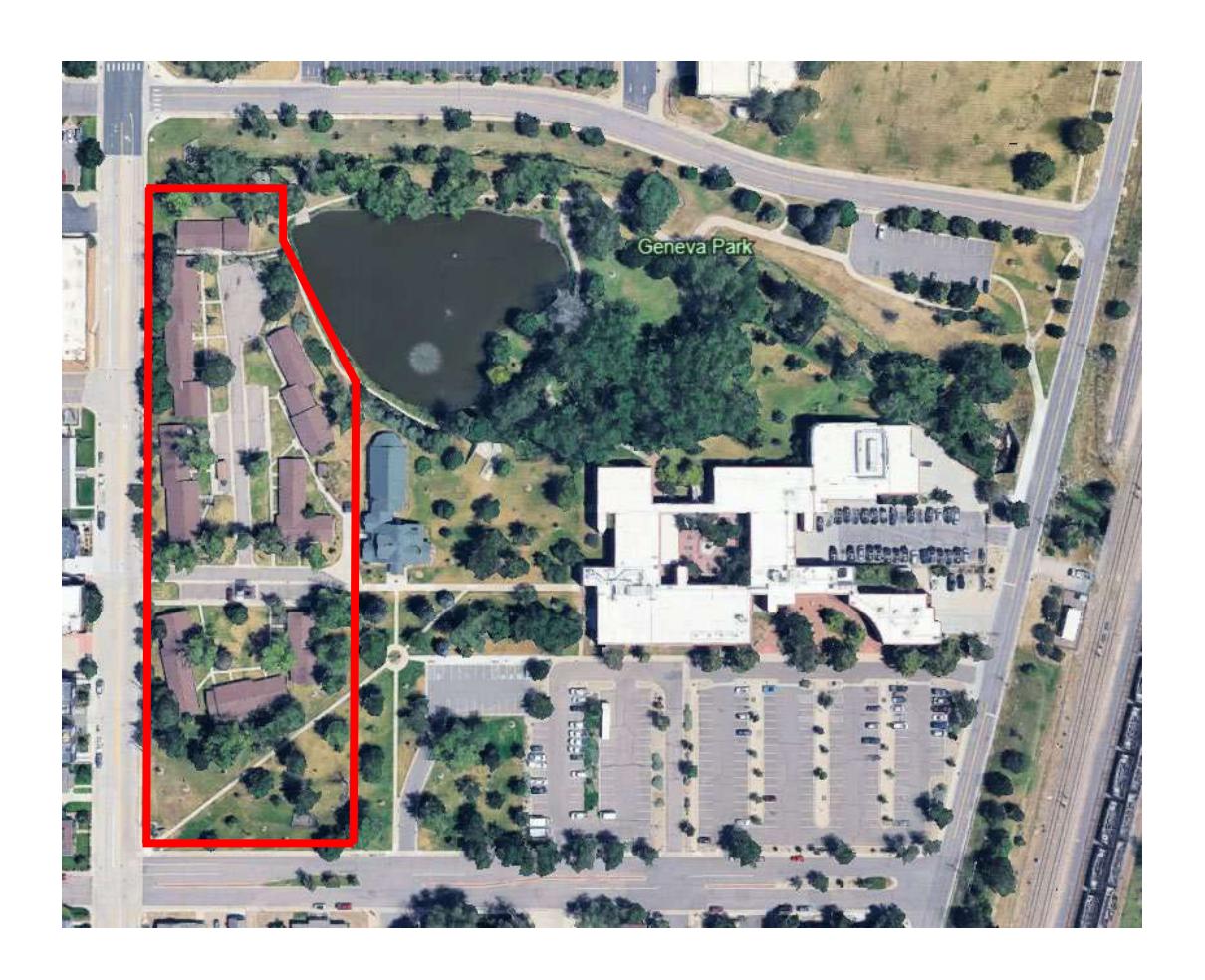
Littleton’s latest Geneva Village redevelopment analysis estimates funding gaps of $0 to $4 million for hypothetical residential and horizontal mixed-use projects, and about $35 million for a hotel. The figures are analytical examples, not selected plans or funding commitments, according to the city’s packet for its Oct. 27 study session.
The packet compares development examples on the roughly 2.8-acre Geneva Village site. For an all-townhome project and a horizontal mixed-use project with townhomes, a daycare and a coffee shop, it estimates residual land value — the amount left for the land after modeled development costs and revenues — from negative $3 million to positive $2 million. Using an estimated site cost of about $1 million, the table lists gaps from zero to about $4 million. For a hypothetical 120-room hotel, the table lists a residual land value of about negative $33 million and a funding gap of about $35 million.
These four financial examples are distinct from the four broader planning frameworks the city outlined earlier: housing-focused development; a balance of housing and commercial uses; commercial and employment uses without housing; and civic uses supported by retail and office space. The earlier frameworks are not recommendations or decisions. They assume reuse of city-owned land, integration of the floodplain and preservation or adaptive reuse of the historically designated Geneva Lodge. The earlier council packet also identified floodplain, drainage and limited circulation as site constraints. A 2025 Urban Land Institute Colorado panel separately recommended a mix of housing, improvements to Geneva Park, adaptive reuse of Geneva Lodge and attention to Slaughterhouse Gulch.
The new analysis assumes maximum developable space, land extending south to Berry Avenue and continued vehicle access to Geneva Lodge. The packet says the examples do not guarantee development, a return on investment or available funding, and that further due diligence would be needed. It also presents possible tax-increment financing revenues as hypothetical estimates of future tax revenue, discounted to present value, that would need confirmation.
The city’s 2027 capital budget includes $1.5 million for potential project management and site preparation, not as a commitment to cover any of the estimated gaps. An earlier packet said no demolition funding was identified in the 2026 budget; if the council directed demolition, staff said funds could be appropriated from General Fund reserves.
Geneva Village is a vacant, city-owned 28-unit complex. Its utilities were disconnected in 2025, and unsafe conditions would need to be addressed before the property could be reactivated. The new packet estimates asbestos remediation and demolition together at $975,000 to $1.175 million and says the work would take four to seven months. Reactivation could cost about $62 per square foot, roughly twice the estimated demolition cost.
The consultant recommends planning for the broader, roughly 28-acre city-owned area rather than treating Geneva Village as a stand-alone disposition. Possible city roles identified in the earlier analysis include selling the land, retaining ownership as a ground lessor or taking a more active role through a public-private partnership; none has been selected. The city estimates redevelopment projects generally take five to 10 years.
The packet is for a council study session scheduled for Oct. 27, not a vote to choose a redevelopment scenario or commit funding.