
Denver’s crisis-response team can’t reach every call during operating hours, manager says
The city’s Support Team Assisted Response program runs from 6 a.m. to 10 p.m.; council members requested information on unmet demand, call patterns and the cost of 24-hour service.
Published at
Denver’s Support Team Assisted Response (STAR) program cannot reach every call it receives during its 6 a.m. to 10 p.m. schedule, manager Tandis Shoshami told City Council members during an Oct. 28 briefing.
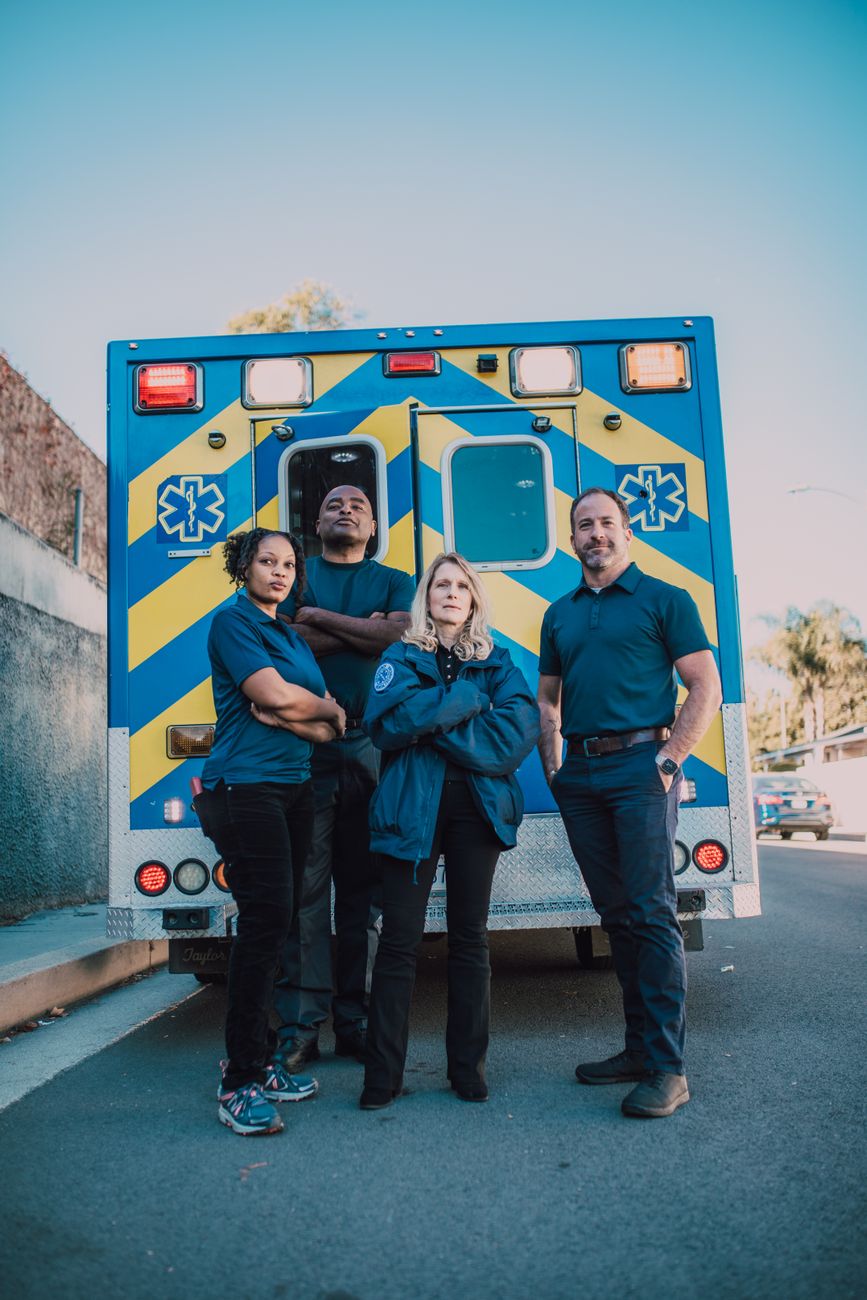
STAR pairs a behavioral-health clinician with a paramedic or emergency medical technician for certain nonviolent crises that do not require police, fire or emergency medical services. The citywide program operates seven days a week and is dispatched through Denver 911. Community partners provide follow-up and case management, the city’s presentation says.
Shoshami said the program had six vans at the time of the briefing, down from eight, but had never operated all eight because it was not fully staffed. She said she did not expect the change to significantly reduce service.
Shoshami identified police Districts 6 and 3 as among STAR’s busiest. Dispatchers generally try to send the closest unit, she said, though a team may still have to travel across the city. Committee members asked staff for information on unmet demand and call patterns, including where calls occur and when they come in.
Members also asked about after-hours calls and the cost of expanding service to 24 hours a day. Shoshami said she would follow up on the requested information. The committee heard the update but took no policy or budget action on STAR, the meeting minutes record.