
RTD committee orders review of fare enforcement, fines and LiVE enrollment
The review will consider administrative fines, fare-payment remedies and enrollment in RTD’s income-based LiVE program, along with costs, revenue and civil-rights impacts.
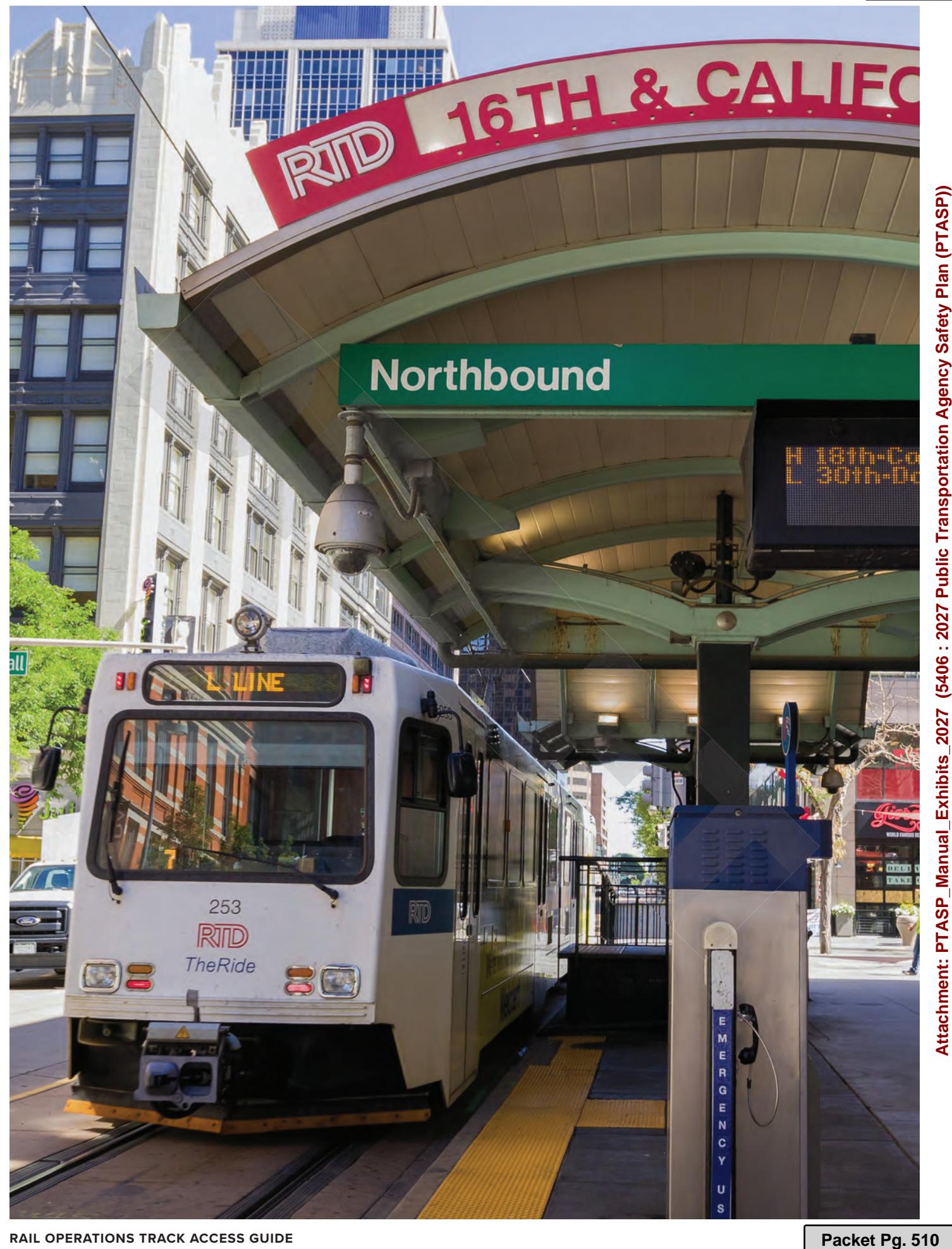
The Regional Transportation District’s Operations, Safety and Security Committee voted 5-2 Wednesday, Sept. 16, to direct staff to review fare-enforcement policies, including whether administrative fines should replace county-issued traffic citations and whether riders could resolve violations by buying a fare or enrolling in RTD’s income-based LiVE program.
The committee approved the review with Ian Harwick and Joyce Downing opposed. It also approved a related amendment 6-1, with Harwick opposed. The action is scheduled to go to the full RTD Board for consideration Sept. 22. The committee minutes record the votes and referral.
RTD’s current approach is primarily educational, according to the agency’s agenda packet: warnings, asking riders without valid fare to leave a vehicle or fare-paid area, and training operators to de-escalate fare-payment disputes. Riding without valid fare is treated under Colorado’s traffic code as a class B traffic infraction carrying a $75 fine. Fare inspectors issue citations on behalf of the county, which receives the fine revenue. Court and administrative fees can vary by county.
The packet lists 12,789 fare warnings and 1,096 citations in 2025, alongside an estimated 4.98 million rail fare checks. A partial 2026 table lists 6,741 warnings and 744 citations, with 3.06 million estimated rail checks. The 2026 figures run through different dates and are not a full-year comparison.
RTD has not decided whether administrative fines would supplement or replace traffic citations. Staff will study the system’s legal and administrative requirements, startup costs, potential fine amounts and any statutory changes needed to give RTD authority to enforce payment.
The review also will examine ways riders could cure a violation, including buying the applicable fare during an enforcement contact and, for eligible riders, enrolling in LiVE as an alternative to a fine or citation. Other topics include changes to RTD’s Code of Conduct and Suspension Policy, technology and infrastructure needs, and ways to increase LiVE enrollment.
The committee directed staff to examine public engagement, fare-revenue effects, costs, civil-rights and Title VI implications, and broader equity impacts. Staff recommendations are due to the committee in February 2027 or earlier. Any changes ultimately approved by RTD are targeted for adoption, communication and implementation by Jan. 1, 2028. The review itself does not adopt a new fine or citation policy.