
RTD will ask riders to weigh more frequent service against broader coverage
RTD’s engagement process will ask communities to weigh a high-frequency network against broader but less frequent coverage, with no specific route changes proposed yet.
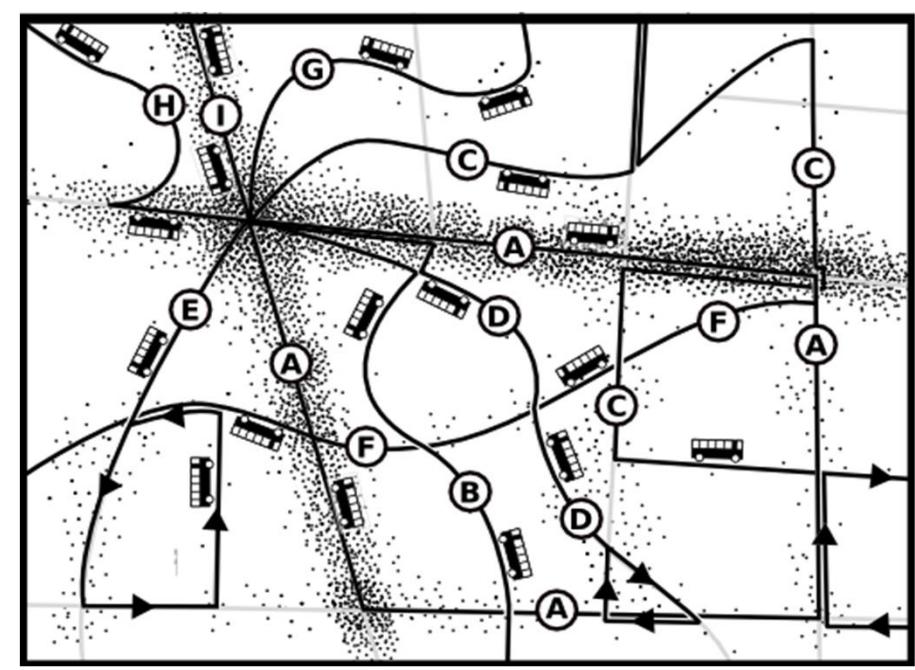
The Regional Transportation District will ask riders and communities to weigh two broad approaches to redesigning its transit network: concentrating frequent service on major corridors or preserving service across more of the district, even if some routes run hourly or operate on demand.
The concepts are scheduled for presentation at a Sept. 29, 2026, RTD Board working session. They illustrate the tradeoffs between ridership and coverage and are not final proposed networks, according to the RTD board packet.
The ridership-focused concept would concentrate service on corridors that can support frequent operations and generate the most riders. RTD says it could leave large portions of the service area without transit if those areas do not produce enough ridership to justify coverage.
The coverage-focused concept would continue serving all areas that currently receive service. In exchange, it would have fewer frequent routes and could rely more on demand-responsive zones and limited-frequency routes, including hourly service.
The presentation assigns the alternatives illustrative priority mixes: 80% ridership and 20% coverage for the first, and 60% ridership and 40% coverage for the second. RTD describes the choice as a question of community values and transit priorities, not just a technical decision.
The ridership-oriented goals include reducing pollution and congestion, supporting walkable communities and improving the share of costs recovered through fares. The coverage-oriented goals include meeting essential transportation needs, reducing isolation and serving every person and jurisdiction. The packet does not identify route, corridor or neighborhood changes under either concept.
Public engagement is scheduled from Sept. 30 through Nov. 11 and will include a survey, workshops, virtual and in-person meetings, pop-up events, digital tools and community ambassadors. Feedback is expected to inform an early-2027 board decision about the balance RTD should pursue.
RTD then plans to release a draft network design in the second quarter of 2027, followed by a short-term plan for 2028 and a long-term plan for 2029 and beyond.