
Denver hearing clarifies what’s funded in Front Range rail plan: Union Station to Fort Collins by 2029, broader buildout still uncertain
Front Range Passenger Rail officials told Denver council that starter service from Union Station to Fort Collins is planned for 2029 using existing state and RTD funding, while a possible 2026 tax measure and additional Denver-area stops remain unsettled.
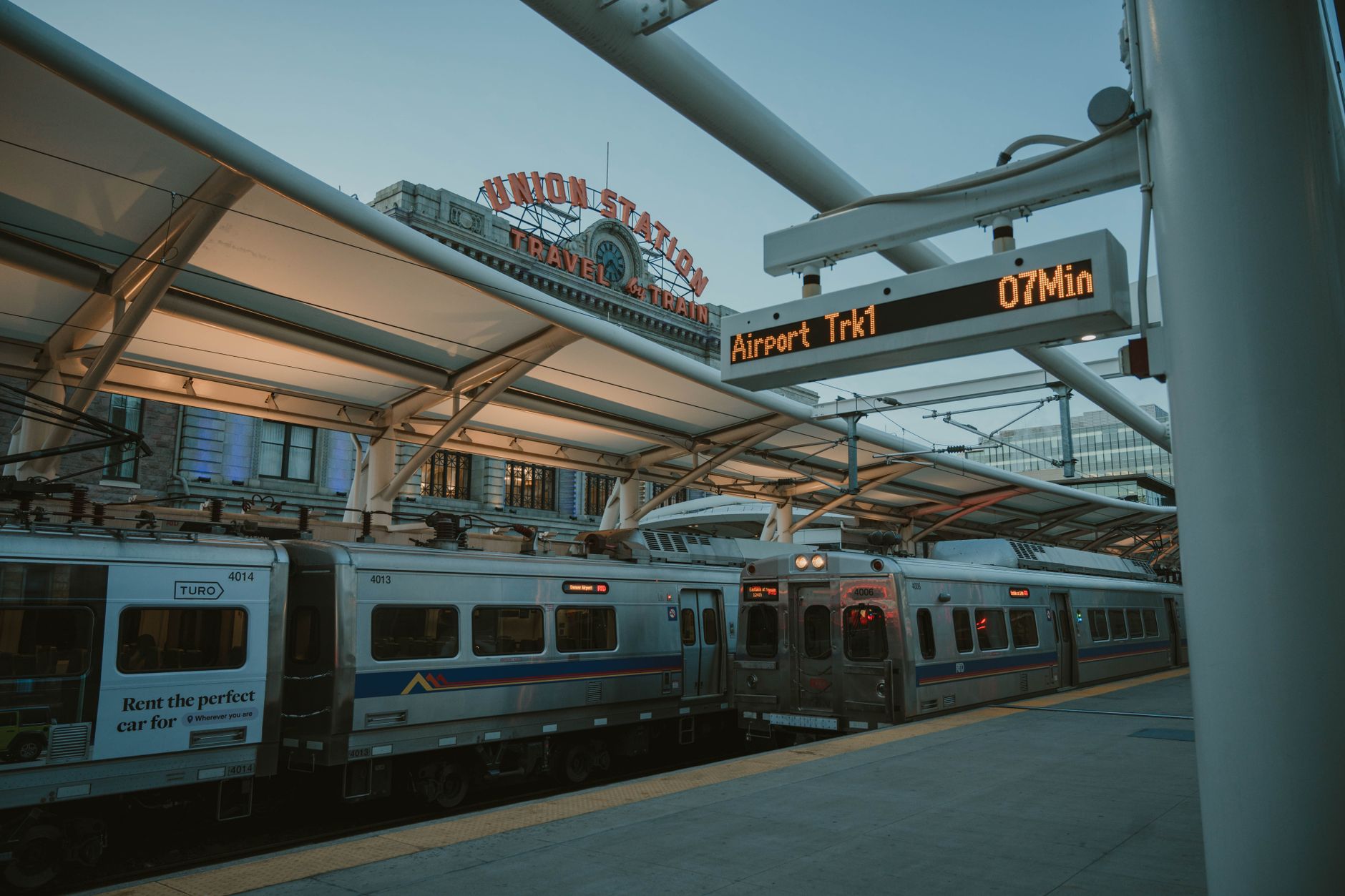
Front Range Passenger Rail officials told Denver City Council this week that the most developed piece of Colorado’s passenger-rail plan is a starter line from Denver Union Station to Fort Collins — not the full Fort Collins-to-Pueblo system now being discussed around Denver.
At a June 3 briefing to the council’s Transportation and Infrastructure Committee, district officials said starter service between Denver and Fort Collins is targeted for January 2029 and does not depend on a new tax measure. General manager Sal Pace said the first phase would include three daily round trips serving eight stations from Denver Union Station north to Fort Collins, funded through a partnership with RTD and the state.
That is more concrete than the district’s longer-range vision, but it is not final. Colorado Newsline reported in April that state officials and BNSF had reached a term sheet for the joint service, and a state presentation on the agreement says construction could begin in 2027. Still, both the district and state negotiators have said final railroad-access agreements, Amtrak operating arrangements, and design and construction work remain ahead.
For now, the clearer commitment is the northern starter line. The district told council that the funded first phase would use Union Station as the Denver hub and run north to Westminster, Broomfield, Louisville, Boulder, Longmont, Loveland and Fort Collins. The district’s service development plan also treats that Denver-Fort Collins “joint service” as separate from the longer-term full corridor.
Funding for service beyond that remains conceptual. Pace told council the district is modeling a possible 2026 ballot measure of about one-third of a cent in sales tax, but he also said the board has not decided whether to send a question to voters and has not released ballot language. The district says on its website that it can levy taxes only through voter approval.
One part of that pitch could matter directly to Denver: a proposed local-return program. Pace told council the district is considering returning a little less than 20% of tax revenue to local governments for station-area work, transit-oriented development and first- and last-mile connections, and said Denver’s share could reach nine figures. But the district has not yet referred a ballot measure or publicly adopted a formula described at the Denver hearing, and council was not asked to approve any Denver-specific spending plan.
The same uncertainty applies to possible additional Denver stops. Pace told council the district is discussing a special-event stop near the planned Broncos stadium at Burnham Yard and another near South Broadway for Denver Summit events. He said those concepts would rely on low-cost platforms and schedule changes rather than full new sidings, but also said the host freight railroads had not fully reviewed or approved them. CBS Colorado reported that Burnham Yard planning remains preliminary and that any special-event service there would depend on voter-approved funding and further freight-rail signoff.
For Denver riders, that means Union Station is the committed city anchor in the currently funded phase, while Burnham Yard and South Broadway remain candidate concepts tied to later phases or special-event operations.
As for whether January 2029 is realistic, the public record suggests the date is plausible but not locked in. The strongest evidence is the BNSF term sheet and the district’s statement that state and RTD funding can support the northern corridor. The biggest caveat is that the service still depends on converting the term sheet into final agreements and completing design and construction on a relatively tight schedule. District officials also told council that negotiations remain more difficult south of Denver, where access with Union Pacific is still being worked out for future service toward Pueblo.
Council members used the briefing to press on those risks. During the meeting, they asked about quiet zones, single-track constraints, access into and out of Union Station, and a possible Union Pacific merger that could affect southern service. Board chair John Putnam said the district is in regular communication with both BNSF and Union Pacific, and that the southern buildout would likely require additional double-tracking in places including Monument Hill and downtown Colorado Springs.
The current takeaway from the Denver briefing is narrower than the full statewide pitch: A Union Station-to-Fort Collins starter line has moved beyond a broad concept because it now has a defined service plan, identified state and RTD funding, and a reported BNSF term sheet. The broader Denver-area station ambitions, the possible sales-tax measure and the full Pueblo-to-Fort Collins system remain proposals that still face board decisions, voter approval and additional freight-rail agreements.