
Arvada says ADA work is further along in parks and buildings than in curb ramps and crossings
At a June 9 workshop, Arvada staff told City Council the city has removed thousands of accessibility barriers in parks and city facilities, but public right-of-way compliance remains far lower as curb ramps are re-evaluated under updated standards.
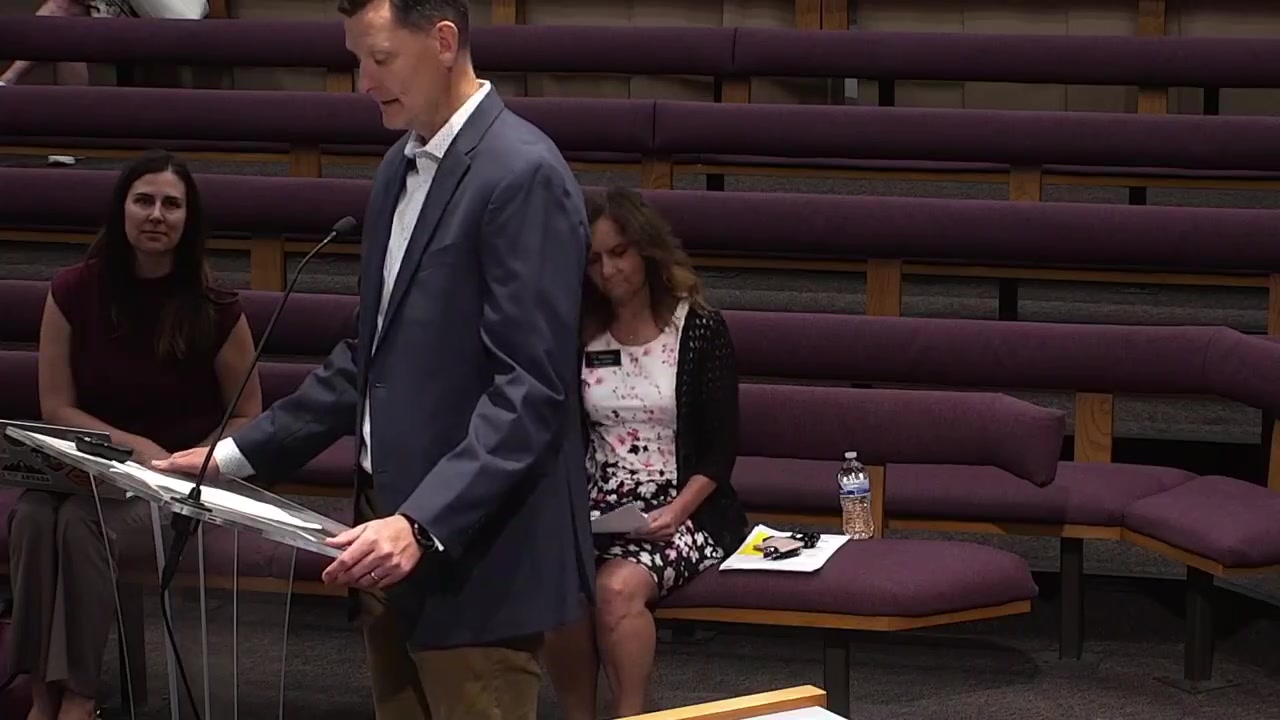
Arvada staff told City Council on June 9 that the city has made more progress removing Americans with Disabilities Act barriers in parks and city facilities than in its sidewalk-and-crossing network, where curb-ramp compliance remains much lower after a newer citywide re-evaluation.
In a June 9 workshop presentation, staff said city facilities are about 67% compliant after roughly 3,000 of about 8,000 identified barriers were removed since the city's 2020 assessment. Staff said parks are about 72% compliant after more than 8,000 of more than 11,000 barriers were addressed.
The largest gap is in the public right-of-way. In the same June 9 workshop, staff said about 2,038 of nearly 16,000 curb ramps have been re-evaluated and found compliant, or about 12.4%. Staff attributed that lower figure to both newer, more consistent standards for the public right-of-way and the scale of rechecking and rebuilding curb ramps across the city.
That matters for residents who use wheelchairs, walkers or other mobility aids because curb ramps, sidewalks, crossings and pedestrian signals connect homes to parks, bus stops, civic buildings and other city services. On its accessibility pages, the city says curb ramps are required under the ADA and are critical to a citywide network that lets people with mobility disabilities use streets and sidewalks.
Arvada's ADA transition plan page says the city is revising the plan it first adopted in 2020 and is incorporating feedback from a 2025 public-engagement process before bringing a final update to council later this year. A related Speak Up Arvada page says the update covers pedestrian and transportation facilities, parks, trails and open spaces, and city-owned buildings.
The public record reviewed for this story does not fully establish which technical standard set staff used for the latest citywide curb-ramp recheck. The city's engineering code page says standards updated in July 2022 govern current approved work, and the city's right-of-way permit page says ADA ramps and sidewalk work in the right-of-way are inspected through Arvada's engineering permitting process.
In the June 9 workshop, staff also said curb ramps are checked during construction and that contractor deficiencies are addressed during a two-year warranty period, with corrections paid by the contractor when work is wrong. The city also operates a curb-ramp request program for people with disabilities, with a stated goal of installation within six to eight weeks of a request, though the city says requests do not automatically guarantee installation because feasibility, weather, contractor availability, materials and funding can affect delivery.
During the workshop, council members pressed staff on why rights-of-way are lagging, whether residents will get a formal dashboard to track sidewalk and bike-path accessibility work, and how the city coordinates with other agencies on split-jurisdiction roads. Staff said some fixes are slower or more expensive because they can require larger right-of-way reconstruction, utility relocation, or coordination with other agencies.
That coordination matters because not every road in Arvada is fully under city control. The city's public-improvement projects page says the Colorado Department of Transportation, not Arvada, approves and inspects work on state highways running through the city. During the June 9 discussion, staff also said the city coordinates with Jefferson County where road jurisdiction is split, though the reviewed workshop material did not identify specific corridors or say whether that coordination will change the timeline for remaining ADA work.
Several questions that could shape how quickly residents see results remain unresolved in the public record reviewed for this story. Staff said the final updated plan will return to council later this year, but the reviewed material did not provide a complete citywide cost estimate, a detailed funding breakdown for the remaining curb-ramp backlog, or a council decision on whether to require a public dashboard or other continuing reporting before endorsing the plan.
For now, the city's update shows two things at once: Arvada says it has removed thousands of barriers in parks and buildings, while far more work remains in the public right-of-way, where accessible crossings often determine whether residents can reach those improved places at all.