
Consultants tell Arvada Center to rethink space and fundraising as new CEO arrives
A consultant review presented to Arvada officials says the arts center’s education and youth programs are nearing capacity, pointing leaders toward lower-cost space changes and a fundraising study rather than an immediate major building push.
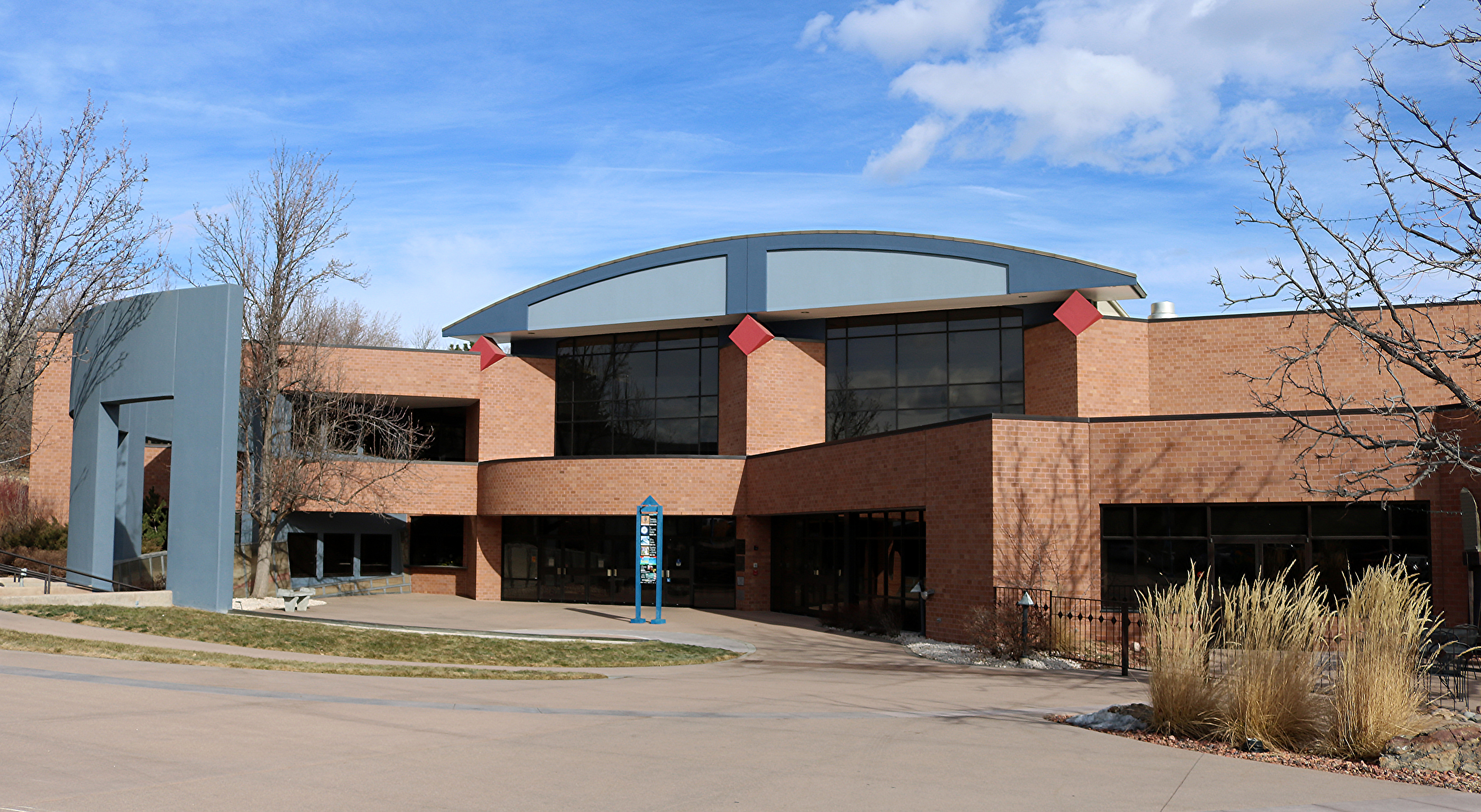
The Arvada Center’s education and youth programs are nearing the limits of the space available to run them, according to consultants who briefed city and board leaders June 9, creating an early strategic challenge for incoming CEO Noelle DeLage.
At the Arvada City Council study session, consultants described the organization as fundamentally strong but increasingly constrained by space, especially for education programming that depends on specialized rooms. They said growth in youth and education offerings is now closely tied to whether the center can create more usable space on its campus.
That matters because those programs support both the center’s mission and its earned revenue. In the presentation, consultants said education and community programs serve about 12,000 class and camp participants a year and reach roughly 70,000 students through broader school-related offerings. They also said mainstage ticket sales have been strong in fiscal 2026, while urging leaders to protect and expand self-generated revenue from education.
Rather than recommending an immediate major construction project, the consultants pointed to phased changes in underused spaces. They highlighted the log cabin, history museum and banquet or event areas as places where the center could study reconfiguration, relocation or activation to create more program room without waiting for a large capital infusion.
Some of those ideas remain preliminary. During the discussion, a board member said the historical society would need to be involved in any move affecting the log cabin because it has ownership interests tied to the structure, and said the issue would return to a project committee.
The presentation suggested the center’s first moves under new leadership may be more operational than transformational.
Consultants described several near-term steps as achievable without wholesale restructuring, including more formal onboarding, mentoring and retention efforts for staff below middle management, compensation benchmarking, and a review of facilities-management software. They said the center did not appear to have obvious overstaffing, but had weaker retention and succession depth below long-serving midlevel leadership.
On fundraising, the consultants did not make an immediate case for a full-scale capital campaign. Instead, they recommended a formal fundraising impact study to test annual-giving and capital-gift potential. Board leaders said during the meeting that the center had considered a capital campaign about two years ago but did not move ahead because post-pandemic conditions did not support it.
Consultants also urged the center to sharpen pricing and audience-development strategy, including more consistent pricing structures and dynamic ticketing, while building a stronger middle-tier donor pipeline and setting realistic expectations for corporate giving. They said visible gains from corporate fundraising can take 18 months or longer because of the pace of relationship-building and grant cycles.
The timing overlaps with a leadership transition. The Arvada Center said DeLage will take over July 1 after serving as chief communications and philanthropy officer at the Denver Zoo Conservation Alliance. In announcing her hire, the center said she helped lead the zoo alliance’s more than $82 million Into the Great Wild Open campaign.
The center has already undergone a major structural shift under retiring CEO Philip Sneed, who helped lead its transition from a city department to an independent nonprofit and grew private philanthropic support from about $250,000 a year to $1.1 million, according to the Arvada Center.
Consultants repeatedly said the Arvada Center does not appear to be in crisis. The unresolved question is how quickly it can expand capacity and strengthen finances without overreaching.
For Arvada residents, that could affect how many youth classes, camps and school partnerships the center can offer, how quickly underused buildings are repurposed, and whether future fundraising focuses first on operations and donor cultivation or later on a larger facilities campaign.
A full consultant report was not available in the public reporting record reviewed for this story, so this account is based on what consultants and board members said publicly at the June 9 study session.