
Littleton council approves revised 1st Street Farms incentives in 4-3 vote
The June 9 vote approved a $2 million performance-based city loan, about $531,000 in fee and use-tax waivers, and up to five years of sales-tax reimbursement for the proposed RiverPark project.
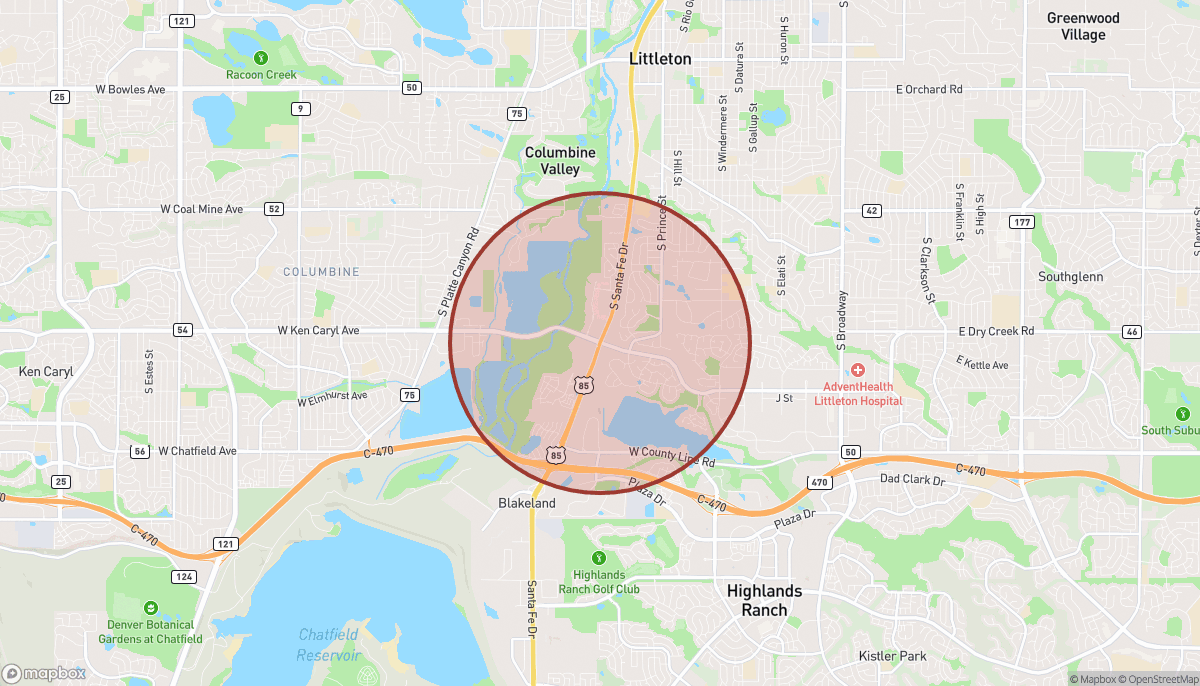
Littleton City Council voted 4-3 on June 9 to adopt Resolution 45-2026, approving a revised public-private partnership for the proposed 1st Street Farms project at RiverPark. During the same meeting, council amended the agreement to replace references to Gastamo Group LLC with First Street Farms LLC before approving it, according to the official meeting video.
The package council approved included a $2 million performance-based city loan for public-facing improvements, about $531,000 in fee and use-tax waivers, and a sales-tax reimbursement worth up to about $2.97 million over five years, city staff said in the June 9 packet. The packet says the loan would be tied to improvements such as a turf field, trail connections and park-related features, with payments in tranches at 50%, 75% and 100% completion. If the improvements are not completed within five years, the packet says, outstanding principal and accrued unpaid interest would have to be repaid.
The June 9 package differed from an earlier April proposal that contemplated a larger city loan and a different sales-tax reimbursement structure. At the June 9 meeting, staff said council had previously asked for several changes, including removing beer-garden revenue from projections, limiting city-backed funds to public-facing infrastructure, converting the subsidy into a performance-based loan, and adding a comparison to inclusionary-housing fees under a hypothetical residential alternative.
That alternative scenario also appears in the June 9 packet, which says the site could otherwise revert to about 270 market-rate townhomes. Staff used that comparison as part of the project's fiscal and policy case for a restaurant, event venue, public turf field, trail links and gathering spaces near South Platte Park Open Space.
The city would also receive reserved free uses of the event venue for city and nonprofit events, public access to the ball field during operating hours, and nonprofit uses of the field, according to the packet. Supporters said the project could become a regional draw and better connect Aspen Grove, downtown Littleton and the RiverPark area. In presentation and packet materials, staff and consultants projected the project could generate 260 permanent jobs, about 324 total ongoing jobs, and a 30-year net fiscal impact of about $21.5 million nominally, or $7.8 million in present value.
Opponents, including some public commenters, called the package an unnecessary taxpayer subsidy, questioned sharing back sales-tax revenue for years, and argued the money could be better spent on needs such as housing, streets or other city priorities.
During the June 9 discussion, the city attorney said the loan would come from business use-tax revenue in the city's capital projects fund, not from the general fund, reserves or the voter-approved capital improvement sales-tax fund.
Some details of the final executed agreement remain unclear in the public record reviewed for this story. The June 9 packet and meeting record support the framework council approved as Resolution 45-2026, and the meeting video shows the only floor amendment was the entity-name substitution. But the city materials reviewed do not clearly show whether any terms beyond that amendment changed in the final signed document after the vote.