
RTD board to weigh deeper modeling of fare hikes and service cuts to close projected deficit
New RTD board materials ask directors to keep analyzing options for a projected 2027 budget gap, including fare and pass increases, labor-cost changes, debt refinancing and service-hour reductions of up to 20%.
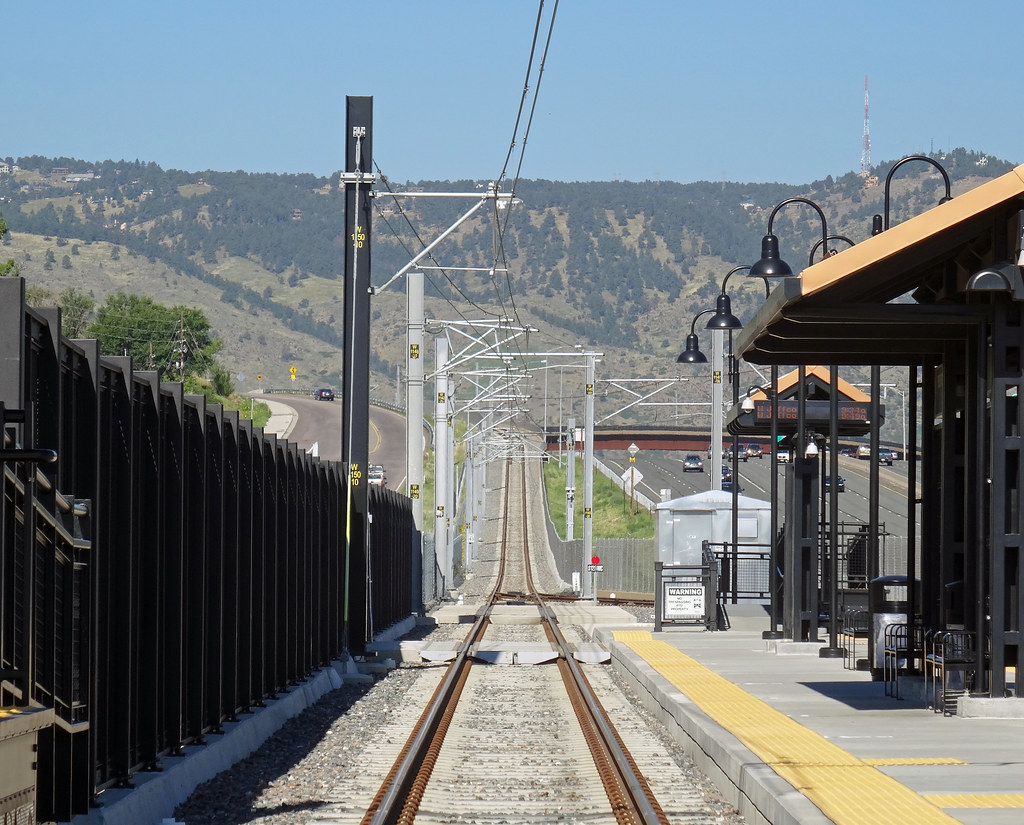
RTD’s board is scheduled to consider a more detailed set of deficit-reduction scenarios June 23, with staff asking directors to keep modeling options to help close a projected roughly $215 million gap in 2027.
That matters because RTD has said it has operated in a structural deficit since 2024 after federal pandemic relief expired, and because staff told the board in a May 27 study session that “likely all” major deficit strategies will be needed to eliminate the shortfall.
According to the June 18 Executive Committee packet, staff want committees to advance a wider list of concepts for deeper modeling and possible inclusion in the proposed budget. Those options include fare and pass increases, labor-expense changes, debt refinancing, increased real-estate income, reductions in office space and non-revenue vehicles, and possible legislative or ballot-measure revenue changes.
The June 18 materials add new specificity on service cuts. Staff said RTD should model service-hour reductions of 15%, 17.5% and 20%, aligned with geography and utilization. But the committee recommendation does not present a final route-by-route proposal or identify specific Denver lines for cuts.
That leaves the likely rider impact unresolved. The same packet says staff are also considering ideas such as reducing FlexRide where it overlaps other service, eliminating FlexRide and Access-on-Demand, cutting service in outlying areas, applying a “use it or lose it” standard to underperforming routes, and shrinking the service district toward higher-ridership areas.
The June 18 materials also broaden the revenue discussion. One staff table lists possibilities including grants, higher fares and fees, higher long-term park-and-ride charges, more EcoPass sales, real-estate sales, a Denver-only “ticket as fare” program, toll fees, corporate sponsorships, advertising changes, legislative reforms and debt refinancing. The packet notes some items would require legislation and that the timing of any new revenue remains unclear.
What remains unresolved is which options the full board is prepared to embrace, and how quickly directors want staff to move from modeling into concrete budget proposals. The available records are planning documents, not final vote records, so they show what RTD staff want the agency to analyze rather than what the board has approved. RTD’s June 23 board meeting is listed on the agency’s public events calendar.