
Littleton council set to begin landmark review for Pray-Parsons House
A proposed ordinance would designate the 1962 home at 6777 Southridge Lane as a local landmark, citing its Modern design and its association with former Littleton mayor Sally Parsons.
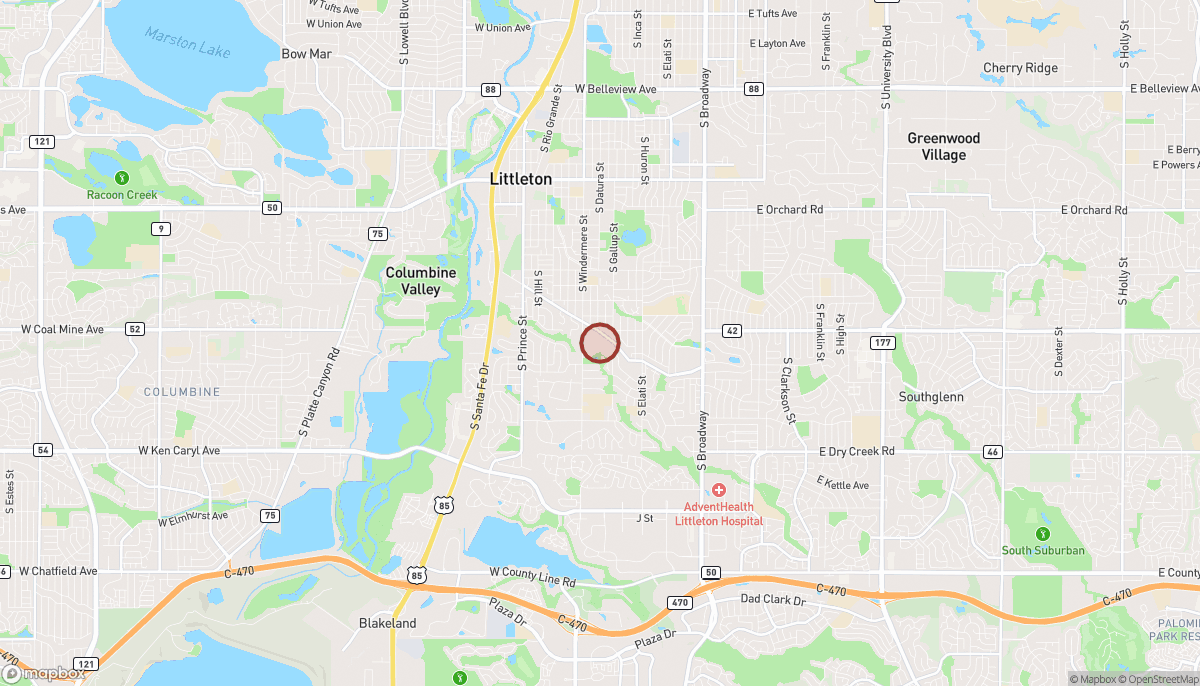
Littleton City Council was scheduled Tuesday to take up a first reading of Ordinance 15-2026, beginning the formal review process to designate the Pray-Parsons House at 6777 Southridge Lane as a local landmark.
Because the reporting record available for this assignment consists of the pre-meeting agenda and council packet, it does not confirm whether council completed that first-reading step June 16. The packet shows the next scheduled step as a July 21 public hearing and second reading.
In materials submitted to council, city staff said the house meets Littleton's landmark criteria for its Modern Movement design, its association with architect Bruce Sutherland and builder Clyde Mannon, and its association with Sally Parsons, Littleton's first female mayor. Staff said the home was built in 1962 for the Pray family, includes Usonian design elements and has retained its historic integrity without major exterior renovations.
The designation appears to be owner-supported. Staff told council that the owners, through the Sally H. Parsons Trust, applied for landmark status.
The same council materials say the Parsons family bought the home in 1968 and that Sally Parsons lived there after that purchase. Parsons later served on the Littleton City Council and as mayor, giving the property both architectural and civic significance in the city's preservation review.
If council ultimately approves the designation, it would add preservation protections but would not by itself authorize work on the property. Littleton's historic-preservation code says landmark designation does not itself authorize construction, alteration, relocation or demolition, though owners can then seek the permits and preservation approvals required for such work. That means future exterior changes or demolition proposals would face city historic-review requirements.
The action described in the June 16 council packet applies only to 6777 Southridge Lane, not to a broader historic district. The packet also says the application went through two neighborhood meetings and won Historic Preservation Commission approval in April before reaching council.
The available record does not identify a wider new preservation initiative beyond this property-specific designation request.