
RTD narrows 2027 deficit planning to possible fare hikes and service cuts
New June 23 board materials show RTD staff advancing a narrower set of deficit-reduction options for the 2027 budget, including possible fare and pass increases, new fare-media activation, real-estate income and service-hour cuts modeled as high as 20%.
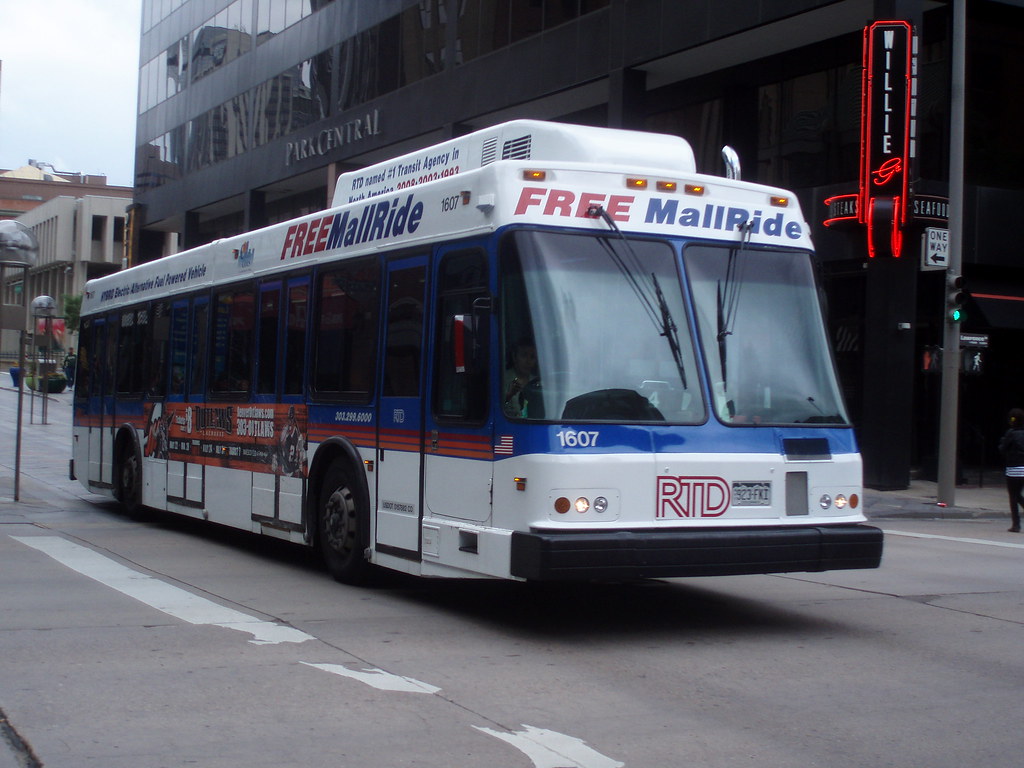
RTD’s June 23 board materials show the agency narrowing its 2027 deficit planning toward a more concrete budget strategy built around possible fare and pass price increases, new fare-media activation, real-estate income and service-hour reductions, though the packet still stops short of proposing a final package.
The latest materials ask the board to authorize staff to keep developing several deficit-reduction concepts for inclusion in the 2027 proposed budget, rather than to approve specific cuts or fare changes now. In the finance and planning material, RTD staff say they want to evaluate fare and pass price increases with additional elasticity modeling plus a fare study and equity analysis.
The same board material also includes a fare-media activation concept and an “increase fares & fees” line estimated at $12 million, alongside nonfare options such as more real-estate-related income and reductions in office space, RTD’s real-estate footprint, some related intergovernmental agreements and nonrevenue vehicles.
On the service side, the June 23 packet says staff want to carry forward service-hour modification scenarios of 15%, 17.5% and 20% for the 2027 proposed budget. Attached budget-option tables also model service reductions of 5%, 10% and 20%, with estimated savings of $15 million, $31 million and $62 million.
The packet does not settle which mix RTD is most likely to adopt. It does not clearly say whether the revenue and cost-cutting concepts would be combined into one cumulative package or advanced as separate options, and it does not include final board approval of any specific fare, pass or service change.
A June 18 executive committee transcript also shows the board process moving toward formal action. During an agenda review, Treasurer Karen Benker asked to move both 2027 budget deficit-reduction items to recommended action for the June 23 board meeting.
The same transcript shows Director Chris Nicholson attempted to amend the finance item to include fare changes, but the move was ruled out of order because the committee was still voting on the draft agenda. The exchange indicates fare changes were already central to the board’s discussion before the full board meeting.
For now, the clearest takeaway from the June 23 materials is that RTD staff are no longer presenting the 2027 deficit response only as broad modeling. They are asking the board to let them keep developing a narrower set of budget tools — including fare and pass changes and service cuts that could reach 20% of service hours — for the proposed 2027 budget.