
Englewood projects 5 million gallons in Broken Tee water savings, but has no public tracking plan
The city’s conservation estimate lacks a public measurement protocol, while the project left the Golf Course Fund with $406,942 and deferred other needs.
Published at
Englewood projects that a five-acre native-turf conversion at Broken Tee Golf Course will save 5 million gallons of water a year, but a July 13 presentation did not explain how the savings will be measured or reported.
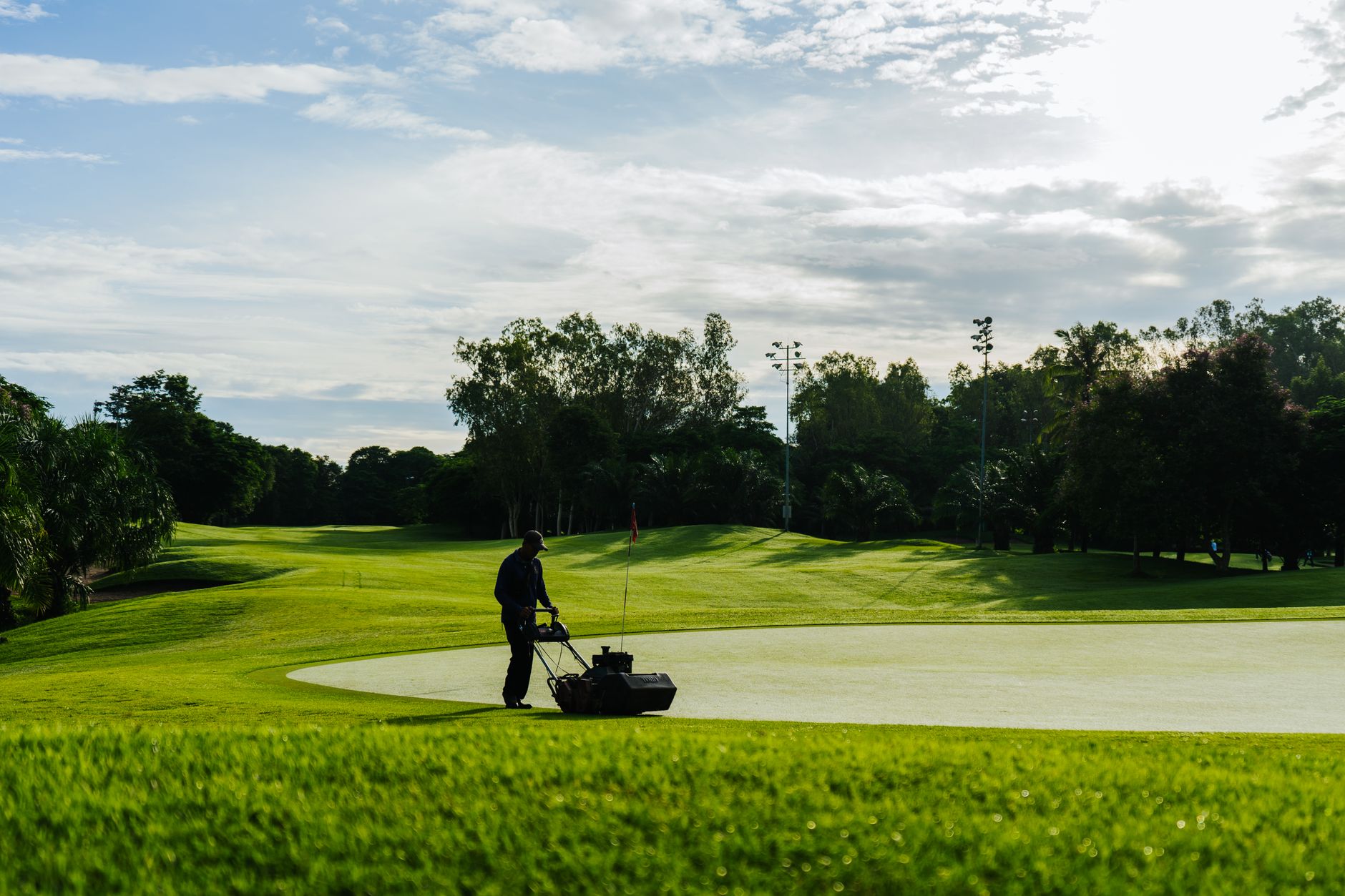
The estimate is part of the city’s broader conservation strategy at the 160-acre course, where about 60 acres have been converted to non-irrigated native vegetation over two decades. Staff said the course irrigates about 100 acres with nonpotable well water and uses weather stations, centralized irrigation controls, moisture meters, wetting agents and drone-based turf-stress mapping. The staff presentation does not identify a water-use baseline, a meter or accounting method for verifying the estimate, or a schedule for reporting actual savings.
The presentation calls the five acres converted in 2026 a project that “delivers projected annual water savings of 5,000,000 gallons.” That makes the figure a projection, not a measured conservation result.
Drainage and soil-remediation work associated with the course changes cost $1,001,493.17, or $4,523 — 0.38% — over budget. The Golf Course Fund had $1 million available in December 2025 and $406,942 as of July 6, after the project was fully funded.
Staff said the remaining balance is being managed alongside deferred spending, including some irrigation-head replacement, Golf Action Plan projects, asphalt repairs, equipment purchases and portions of maintenance and staffing costs. Staff also said improved patron satisfaction could support higher golf rates, but gave no proposed amount or date.
Public records reviewed for this article do not document a recurrence of the drainage or soil problems since the Front 9 reopened May 8. In the July 13 update, staff reported improved playing consistency and positive online and verbal feedback. The city’s reopening notice said temporary cart restrictions on Holes 1 and 6 were needed while new sod established, not because of a reported drainage or soil failure. Internal work orders, complaint logs and inspection records were not available for review.
The conservation impact remains an estimate, while the fund balance and course conditions will show whether the investment delivers the operational benefits staff described.