
Denver committee advances $1.5 million addition to Ferkam towing contract
The proposed amendment would raise the contract ceiling to $23 million and extend the agreement through August 2027, while officials plan a more competitive future procurement.
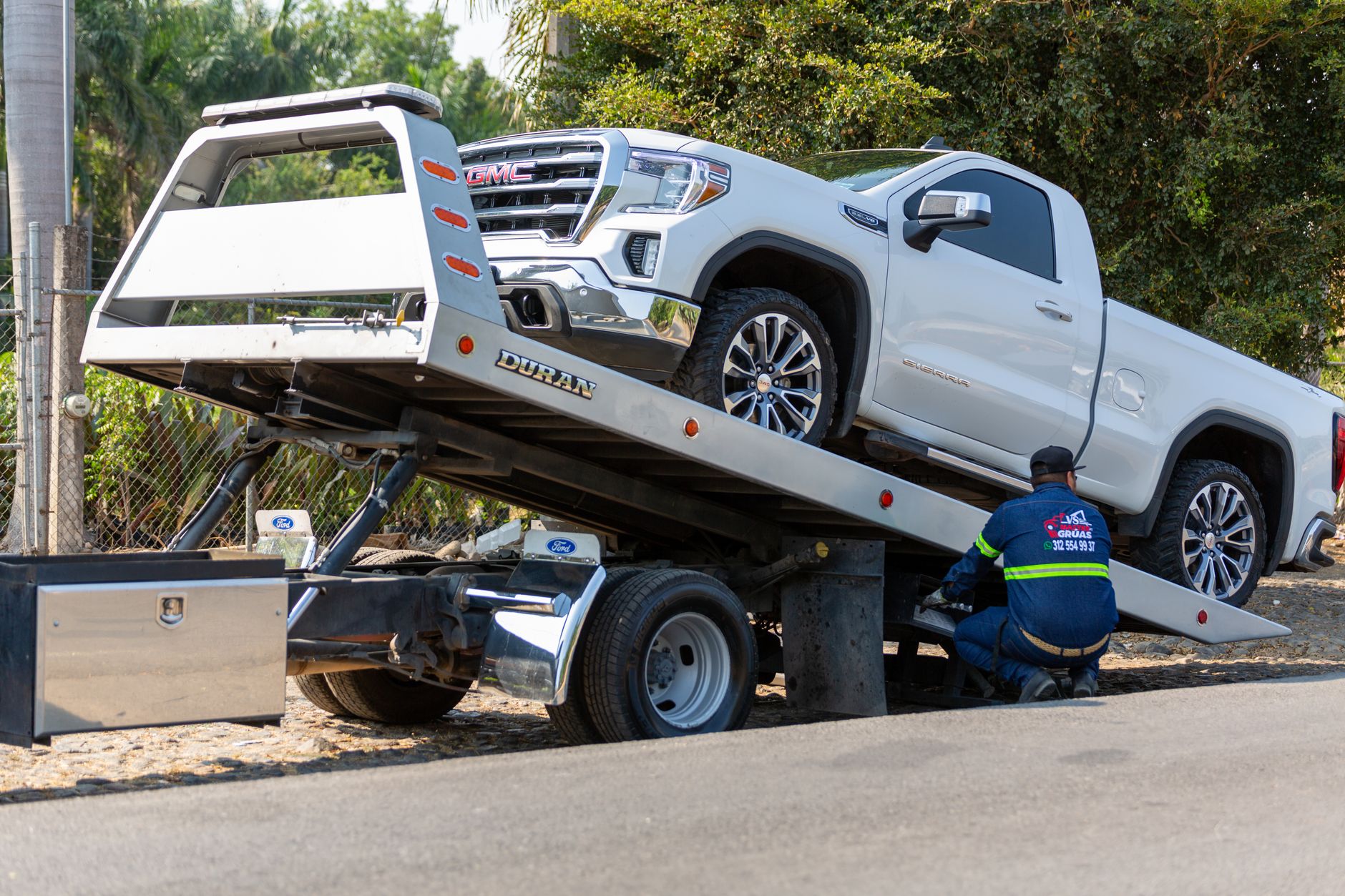
Denver’s Finance and Business Committee advanced a proposed $1.5 million addition to the city’s contract with Ferkam Inc. for citywide towing services Tuesday, sending the measure to the full City Council.
If approved, the amendment would raise the contract ceiling from $21.5 million to $23 million and extend the agreement through Aug. 31, 2027. General Services reported 26,361 tows from May 2025 through June 2026 and $16.679 million in spending since the contract began Sept. 1, 2022, according to the committee meeting video and city presentation.
The amendment also would revise prices for some heavy-tow services. One bid-item rate would rise from $190 to $209 for vehicles weighing less than 11,000 pounds and from $225 to $248 for heavier vehicles. For bid item 3A, the rate for lighter vehicles would remain $60, while the heavier-vehicle rate would increase from $225 to $248.
Those are contract prices, not necessarily what Denver residents pay. The city’s official towing information lists a $100 fee to move a vehicle and says owners are responsible for impound-lot fees before release. The page does not identify the $100 charge as a Ferkam contract rate or say whether the proposed amendment would change customer charges.
The contract also covers special-event towing for city agencies, mountain-park tows, right-of-way enforcement, jump starts for city-owned vehicles, accident-debris cleanup and transport of junker vehicles to lots.
Council members questioned the lack of customer-satisfaction data and raised concerns about reports that glass, bumpers and other vehicle parts were not always removed after crashes. Staff said the city can capture tow data and photographs and discussed requiring post-cleanup photographs or other tracking during the extension or the next procurement. The contract’s main stated performance measure is a 45-minute arrival window after a towing company is called; officials said there is no customer-satisfaction survey.
Staff said the original solicitation drew one response and required bidders to use a particular tracking-software company, a condition some towing vendors objected to. Other towing companies participated as subcontractors under the winning contractor’s bid, staff said.
The city plans a substantially revised competitive procurement before the proposed extension ends. Staff said the next request for proposals would allow more preparation time, seek greater local competition and align the scope more closely with Colorado Public Utilities Commission rates. Officials also described plans for stronger best-value, customer-service, accountability and cleanup-verification requirements.
The proposed amendment does not establish that customer fees will change, and the full City Council has not approved it. The Legistar matter record showed no final-action date or recorded action history in the available record.