
Littleton weighs demolition of Geneva Village buildings as asbestos costs could reach $550,000
The city has not selected buildings for removal, and preliminary demolition and asbestos estimates together range from roughly $975,000 to $1.175 million before other site costs.
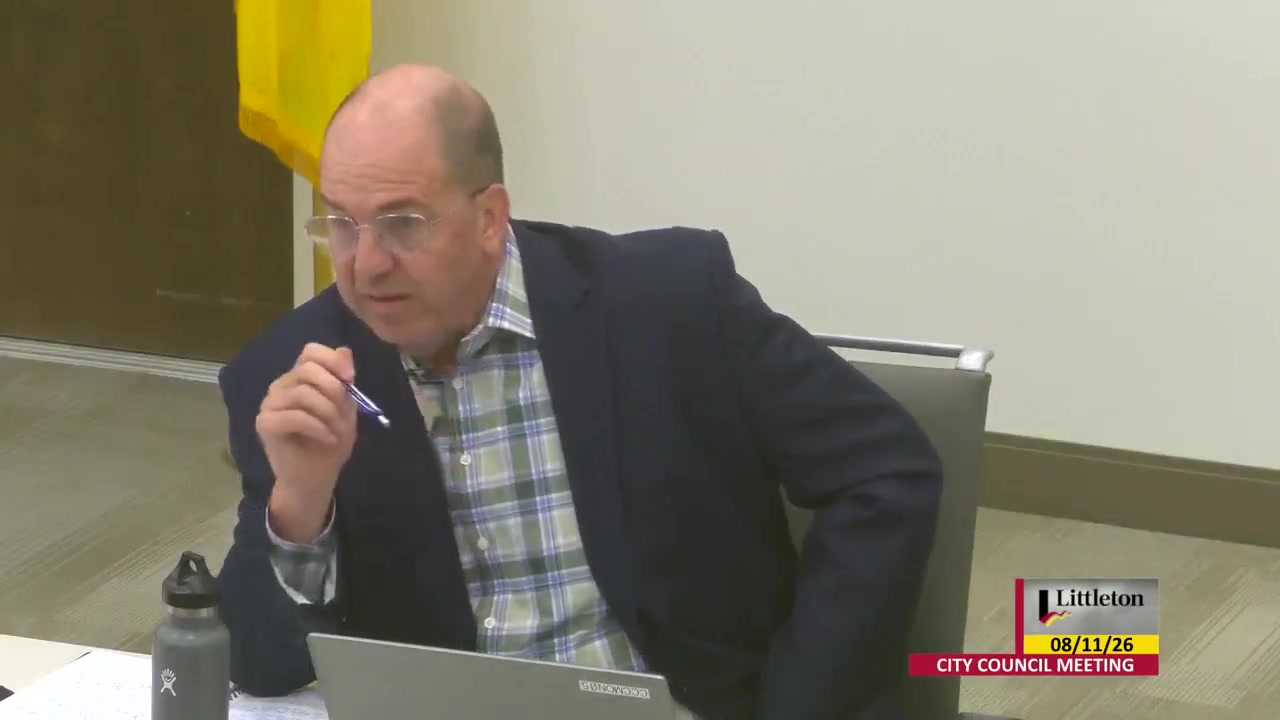
Littleton officials have not selected which of eight vacant Geneva Village buildings to demolish, but council discussion Aug. 11 favored fully removing any structures chosen. Preliminary estimates for asbestos abatement and demolition together range from roughly $975,000 to $1.175 million, excluding other potential costs and without an approved project total.
The buildings are part of the vacant, 28-unit Geneva Village complex at 5444 South Prince Street. During the Aug. 11 council discussion, council members debated whether to temporarily preserve one, two or four buildings while the city studies longer-term redevelopment. No buildings were selected, and the council did not authorize demolition.
A 2021 limited asbestos investigation of four buildings found asbestos-containing material in drywall joint compounds, textured surfaces, concrete-block sealants, vinyl-floor mastic and caulking. Because the survey did not cover all eight buildings, a certified environmental consultant would need to complete a full survey before demolition or renovations that disturb the materials. The work would be submitted to the Colorado Department of Public Health and Environment and conducted under a state-monitored abatement program.
The preliminary asbestos-abatement estimate is $450,000 to $550,000 and would take two to three months, the consultant said. The estimate could fall after about $30,000 in additional point-count sampling if testing shows some materials are below the threshold requiring abatement.
The city’s meeting packet lists partial demolition at $300,000 to $350,000 and about four weeks. That option would remove the structures but leave floor slabs, roads and vegetation until redevelopment. Full demolition is estimated at $525,000 to $625,000 and about eight weeks; it would also remove foundations, roads and sidewalks and include grading and seeding.
A consultant said the roughly $600,000 demolition figure did not include asbestos mitigation. The city has not published a combined estimate covering abatement, demolition, utility work and site restoration, and no demolition funding was included in the 2026 budget. The packet describes the demolition figures as preliminary.
Council members generally favored full demolition of any buildings ultimately selected for removal. “Any demo is full,” one member said. That was a preference about the demolition method, not a decision about which buildings would be removed.
Temporary artist studios remain possible but unapproved. Council members said artists had expressed informal interest, but there is no formal proposal, operating plan, building assignment or cost estimate. Staff cautioned that reconnecting utilities and addressing windows, heating and cooling, safety and deteriorated conditions could make interim use more complicated and expensive than it initially appears. Sewer and water disconnections still require verification.
A possible partnership with Arapahoe County also remains unresolved. Redevelopment materials describe a potential civic or cultural campus and possible county co-location, but the record contains no county commitment or agreement. Council members discussed whether Littleton should proceed with demolition and site improvements before the county’s position is known.
The consultant team is scheduled to return to the council Oct. 27 with additional market research, reuse and redevelopment options, and a recommended path. That meeting is expected to inform the next step; it is not a demolition authorization or a final selection of buildings.